
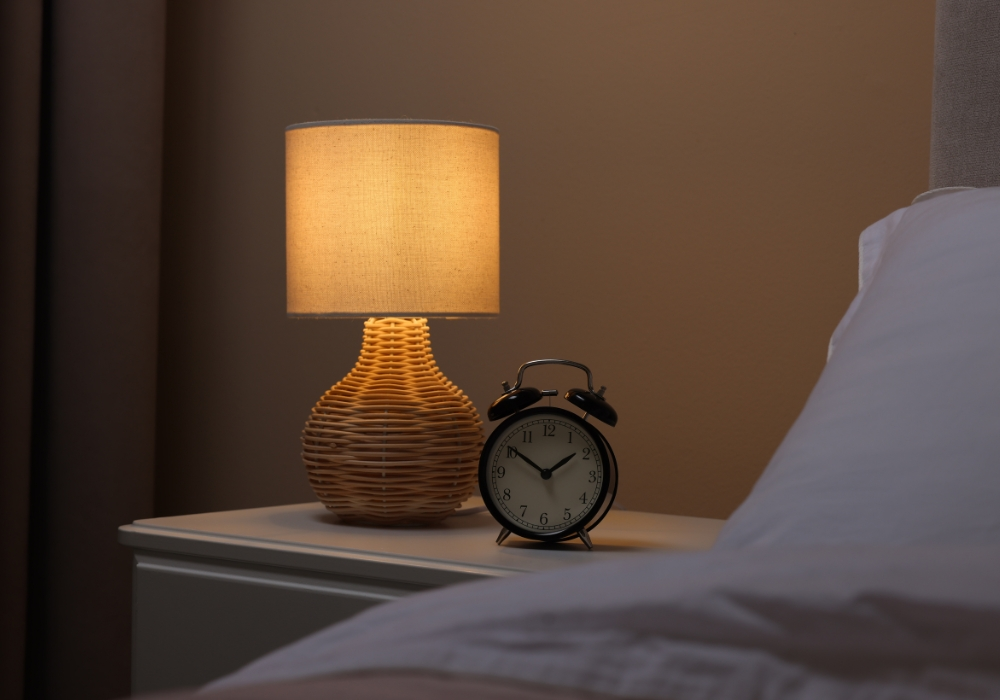
When the clocks go back, that promise of an extra hour of sleep sounds great, but it can leave us feeling out of sync. Darker evenings and shifting daylight can certainly impact our mood, energy and sleep quality too, it’s not just about one hour less of sleep.
“The clocks going back will affect everyone differently, since we all have our own unique relationship with sleep. That said, sunlight impacts our hypothalamus (the part of the brain responsible for regulating our ‘body clock’), so that’s why changes in sunlight hours can leave you feeling a bit like you have mild jet lag,” explains Dr Nerina Ramlakhan, Sleep Expert at Oak Tree Mobility.
As we head towards the end of British Summer Time (BST) and a return to Greenwich Mean Time (GMT) on Sunday 26th October, let’s take this seasonal shift as a reminder to slow down and reset your wellbeing routine.
Here are some practical tips to help you adjust your sleep and energy levels when the clocks go back.

Create consistency
We thrive on rhythm and routine. When the clocks change, that balance is thrown out of whack and we can be left feeling unsettled, leading to sluggish mornings and restless nights.
Ease into the new time gradually
“While the change means an extra hour in bed, the shift in daylight can temporarily disrupt your body’s internal clock, known as the circadian rhythm. This can leave some people struggling to fall asleep at their usual bed time or waking earlier than intended.
If you can, in the days leading up to the clocks going back, gradually shift your bedtime and and waketime later each day. By Saturday night, you should aim to be going to bed an hour later than normal and then, when the clocks change overnight, your usual waketime will feel natural. This pre-planning helps your body adapt more gradually, rather than one large change at once, which is less disruptive to sleep and energy levels,” says Dr Lindsay Browning, psychologist and sleep expert for And So To Bed.
Take in some morning light
Natural light can help to regulate your body’s circadian rhythm and lift your mood. Spend some time outside if you can in the morning: spend 5 minutes by the window or take a morning walk to help wake up your brain naturally.
If you’re prone to Seasonal Affective Disorder (SAD), consider a SAD lamp or bright light box for 20-30 minutes in the morning, particularly on those cloudy days.
Be mindful of your evening routine
Doomscrolling until late at night isn’t going to help you anytime of the year, let alone when the clocks go back. Instead, wind down with a good book or calming music to help you ease into a good night’s sleep.
“Whether you sleep in or get up early the day the clocks go back, it’s important to stick to good sleep habits. That means avoiding screens, cutting back on caffeine and other stimulants before bed, and making sure your sleep environment is comfortable,” explains Dr Nerina Ramlakhan, Sleep Expert at Oak Tree Mobility.
Rest and restore your body
Your body will notice the clocks going back first, so supporting your physical self is paramount.
Improve your sleep hygiene
Try and keep a consistent bedtime routine to help signal to your body it is time to rest and create a soothing routine that works for you. Maybe that’s reading, journaling, lighting a relaxing candle… just find what works for you.
Don’t stop movement
It can be tempting when the clocks go back and the days get darker to go into hibernation mode: but movement is so important. Gentle movement keeps energy flowing: try a gentle walk, stretches or yoga to keep you moving.
Care for your skin
“With the clocks going back, we see shorter days and colder air. This has the effect of reducing our daily vitamin D production while moisture is lost more easily from the skin leading to dullness and dehydration. A richer moisturiser and focusing on skin barrier repair is a great way to prevent dryness and irritation. Despite the cooler temperatures, it remains really important to stay consistent with SPF use as ultraviolet radiation remains present all year round,” says Dr Ed Robinson, one of the UK’s leading non-surgical cosmetic doctors
Nourish with grounding foods
We’re heading into cosy season, the time of nourishing stews and soups. Seasonal produce like root vegetables, oats and warming soups can bring comfort and balance your energy in these darker days.
“Keep up with a balanced healthy diet, ensuring you are eating plenty of fruits, vegetables, wholegrain, healthy fats such as olive oil and avocado, omega-3 fatty acids from oily fish, and healthy protein sources such as lean meats and tofu to support your energy, gut health, and mood,” says Nutritional Therapist and consultant to Wiley’s Finest fish oils Dr. Anna Sanniti.
The change can also impact our gut health. “The clock change can disrupt our circadian rhythm, which is the internal body clock that regulates sleep, mood, energy, and gut health. Our gut bacteria follow a daily rhythm, and changes in light exposure or routine can throw this balance off. To support your gut and overall wellbeing, stick to regular meal and sleep times. A fibre-rich diet with fruits, vegetables, wholegrains and legumes like beans and lentils, as well as fermented foods helps nourish gut bacteria and maintain energy levels. Consistency in routine is key to helping your body adjust smoothly to the darker days,” says Nutritionist and Science Manager, Dr. Holly Neill, at Yakult UK– gut experts since 1935.
Embrace the seasonal shift
We’re in autumn now – a time for release and rest. Embrace it! When the clocks go back, it’s the perfect reminder to reflect, realign and connect with yourself as we step into a new chapter of the year. Don’t let yourself fall into an autumn slump: embrace this new season with positivity and understanding.
Adjusting to the clocks going back is about more than just losing that hour of sleep… it’s about intention and allowing yourself to adapt to the seasonal change that’s around us. It’s a chance for you to honour this change, listen to your needs and embrace this opportunity to slow down and reset.
How are you going to honour this season?








Leave A Comment