

Ever walked into a room and forgotten why you went in? Memory lapses happen to all of us, and many of us also experience brain fog from time to time, that cloudy feeling where everything feels a little harder to grasp. The good news is that there are ways to support your mind and brain health. Here are some practices, mindfulness exercises and lifestyle tweaks you can make to help your brain feel clearer and calmer.
Short exercises to support memory
Just like the body, the brain benefits from regular exercise. Adding quick ‘mental workouts’ into your daily routine can help improve focus and keep your memory sharp.
Mind Recall Exercise
Here is a fantastic ‘Mind Recall’ exercise from Wellness Specialist Shelly Dar:
When we can’t remember something, stress often blocks the pathway. Mindful recall combines calm focus with sensory reconstruction to bring short-term details back into reach, like remembering what ingredient you need next in a recipe.
- Calm the system: Preparing the brain for recall
Sit still, plant your feet, and take 3 slow breaths (in for 4, out for 6).
This lowers stress hormones that interfere with memory access.
- Name the target: Give your brain a direction
Say it clearly: What comes next in the recipe? or Where did I leave my bag?
This sets a retrieval cue – like telling your brain which file to open.
- Rebuild the context: Place yourself back in the moment
Visualise where you were when you last used or thought about it.
Add 3 sensory details: the sound of chopping, the smell of onions, the feel of the pan.
- Walk through the scene: Replaying the sequence
Mentally ‘press play’ on the moment before and after.
Let the missing step or item surface naturally as the scene unfolds.
- Reinforce it: Strengthen the pathway
Once recalled, say it out loud or jot it down.
If it’s part of a sequence (like a recipe), repeat the steps in order to secure the flow.
Why it works: Stress reduction frees up cognitive resources, context cues act as anchors, and sensory details trigger the hippocampus to retrieve stored fragments. By reconstructing rather than forcing, you increase the chance of recall.
Three subconscious techniques to strengthen memory
Here’s another fabulous practical technique, this one from Emma Thompson, Hypnotherapist & Subconscious Mind Specialist:
Here are three simple ones that work with the subconscious mind:
- Anchor memory to emotion – The brain is wired to prioritise memories that carry an emotional charge. That’s why you might instantly recall the smell of your grandma’s cooking or the song playing during your first heartbreak. Emotion acts like glue for memory. To use this deliberately, link what you want to remember with a vivid image or feeling – for example, imagine how proud and relieved you’ll feel when you recall it with ease.
- Use repetition as a signal to the brain – Repetition tells the subconscious, this is important. Just think about how easily lyrics stick in your head when you’ve heard a song a few times. You can apply the same principle to names, facts or daily tasks: try saying something aloud, then writing it down, then visualising it. Each layer creates stronger neural pathways.
- Calm the mind before recall – Stress creates mental ‘noise’ that interferes with recall, whereas calm focus allows memory to surface more naturally. Even something simple, like pausing to take three slow breaths before a meeting or exam, signals safety to the brain and makes recall easier. A settled state of mind creates the best environment for memory to take root.

Foods that boost memory
What you eat plays a key role in brain health. Certain nutrients are particularly important to support memory and focus.
“Memory isn’t just about the brain, it’s about the whole body. A nourished nervous system, quality sleep, and the right nutrients create the conditions for sharp focus and lasting recall,” says Dr. Hannah Strange, Founder & CEO of The Strange Apothecary.
Try adding these memory-loving foods to your meals:

- Oily fish like salmon and sardines for omega-3s.
- Berries for their antioxidants, which protect brain cells.
- Leafy greens such as spinach and kale for B vitamins.
- Walnuts and seeds for healthy fats that nourish the nervous system.
Supplements for brain health
Sometimes you just need a little extra help and supplements to support memory and brain health can be a great holistic addition to your routine.
Look for supplements featuring b vitamins, Vitamin D, Ginkgo biloba and Omega 3.
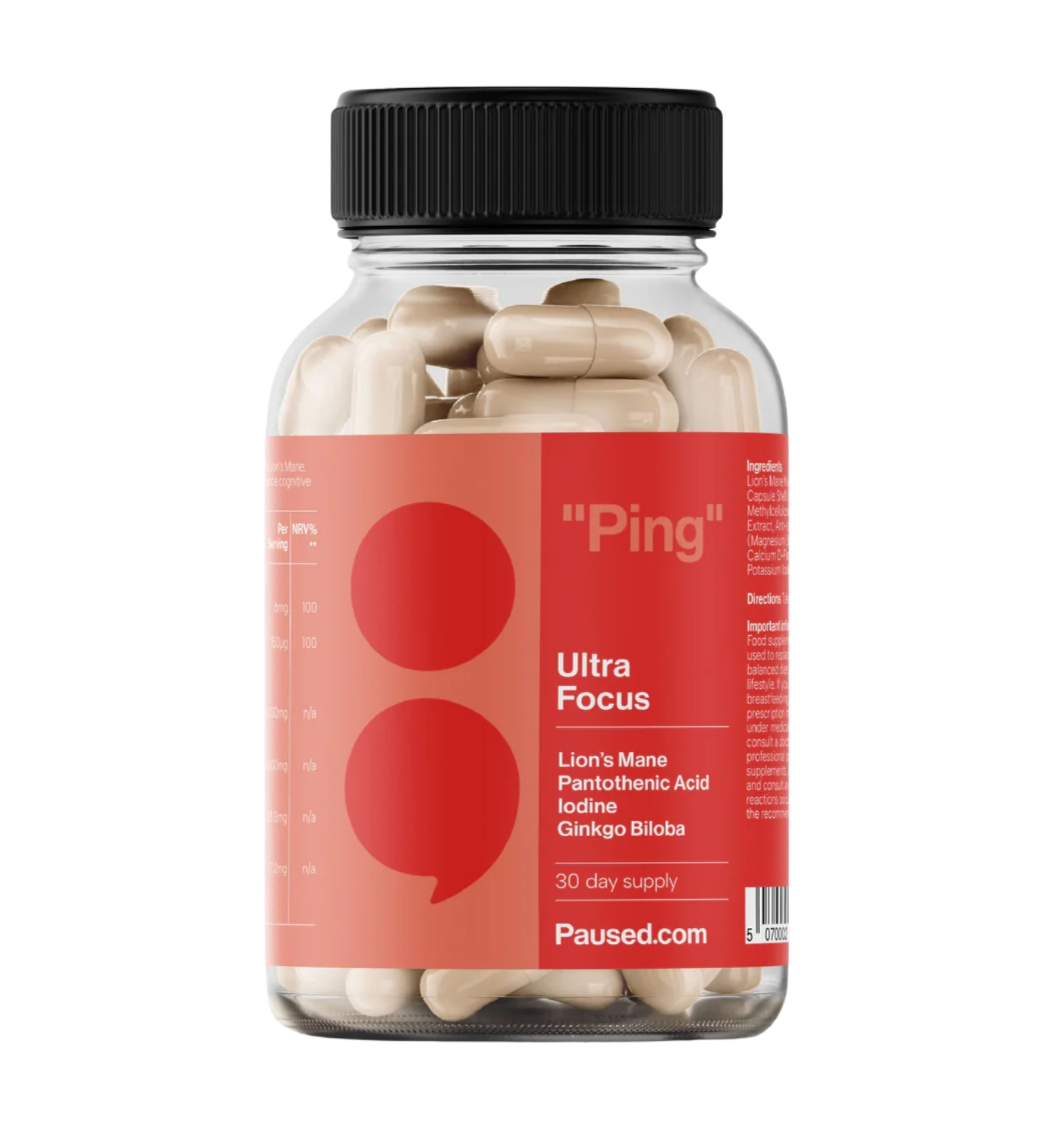

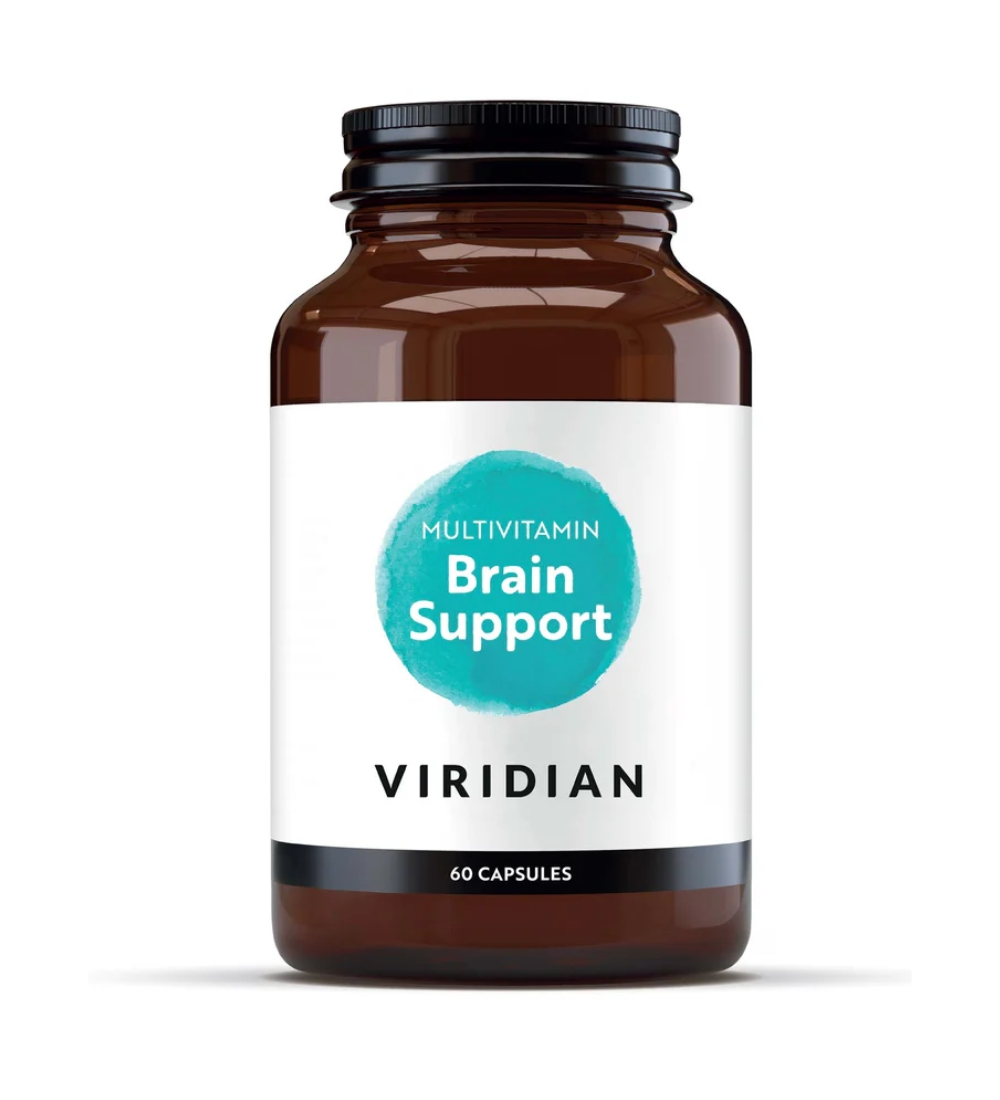
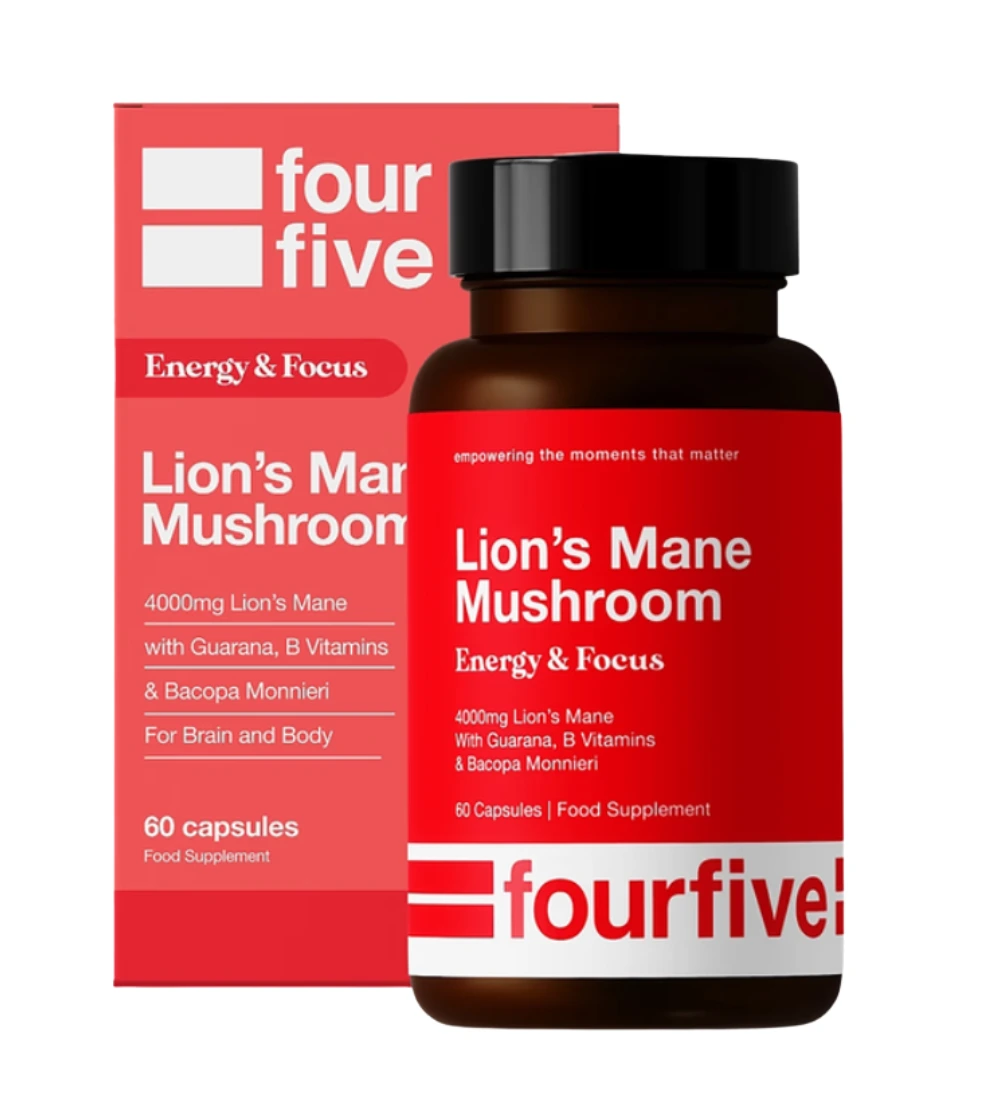
Always check with a health professional before starting any new supplement
Apps and Tools to help Memory
We have so much technology at our fingertips – let’s use it to our advantage. Here are a few apps that can help boost your memory and keep your brain engaged.
- Elevate – brain training can help improve memory, attention and problem solving.
- Evernote – help you to organise notes and lists to reduce mental clutter
- Use reminder tools – setting prompts can help free up brain space for what really matters.
Lifestyle habits
Supporting your memory is not just about what’s on your phone or what you eat, it’s part of how you live too.
- Sleep: memory consolidation happens during deep sleep, so many sure to prioritise rest
- Movement: increase oxygen flow to the brain through exercise.
- Manage your stress: chronic stress impacts memory, so try to incorporate tools in your life to manage your stress levels.
By incorporating some of these tools into your daily life, you can create a strong foundation for rest and recall.
Which one of these tips will you be trying this week?
(*PR gift/sample)
May contain affiliate links









Leave A Comment