
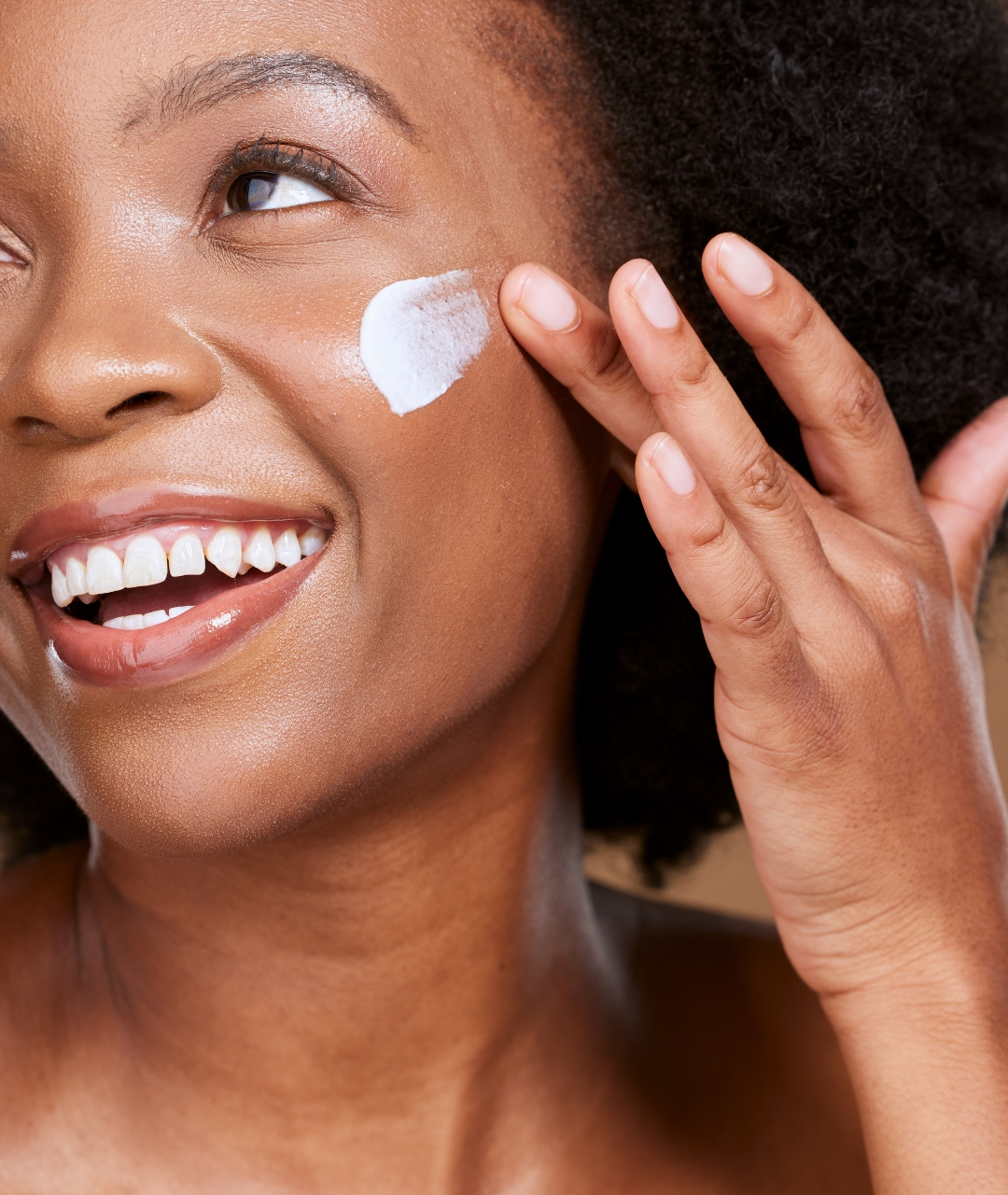
Not all face creams are created equal!
Finding the perfect moisturizer is about choosing the right texture and ingredients to match your skin’s needs. So, which one is right for you?
The importance of moisturising
Moisturising your skin has many benefits, with the most important being to protect your skin’s healthy cells from irritation and even damage.
Dehydrated skin has to work extra hard to produce extra oils to make up for hydration loss. This can damage the skin barrier and clog pores, which can lead to breakouts.
It’s an essential skincare step to deliver much needed moisture to your skin, slow signs of ageing, soothe any irritation and protect your skin barrier.
Please note: face oils are not moisturisers! While they can nourish and protect the skin, they do not technically act as a moisturiser because they do not add water to the skin.
So… what’s the difference?
Moisturisers typically fall into three categories: emollients, humectants, and occlusives—each playing a different role in keeping your skin hydrated and healthy. Some moisturisers contain a mix of these for multi-functional benefits.
Emollients: they work by covering the skin with a film that traps in moisture. The most common type of moisturiser, they can help prevent inflammation and flare ups. Soothing and hydrating. Examples of emollients include ceramides, squalane oil, glycerin, and urea.
Humectants: Often found in gel forms, they work by drawing moisturisers in the top layer of the skin. They pull water from the air and into the deeper layers of the skin. Examples include hyaluronic acid, AHA’s and glycerin.
Occlusives: intense, an occlusive moisturiser creates a thick protective barrier, minimising water loss. It’s a waterproof coating to avoid evaporation on the skin. While they’re fab for dry skin, they can be too heavy for oily or acne prone skin. Examples include petrolatum, silicones waxes and most oils and butters.
Wow tip: Applying a moisturiser on damp skin can enhance absorption and lock in more hydration.
Here are the different types of face creams and their benefits…
Gel Creams
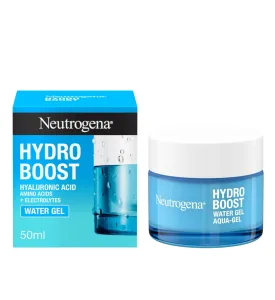
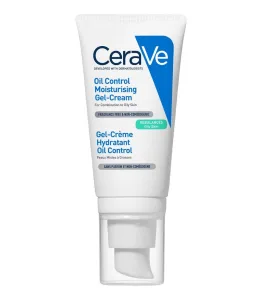
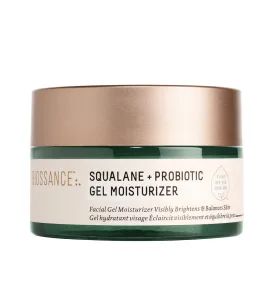
Lightweight and water-based, gel creams absorb quickly without feeling greasy. They’re great for hotter climates too and provide a featherweight veil of hydration to plump and protect the skin without exacerbating shine.
Perfect for oily skin or combination skin and great for layering under SPF or makeup.
Look for hyaluronic acid for hydration without heaviness!
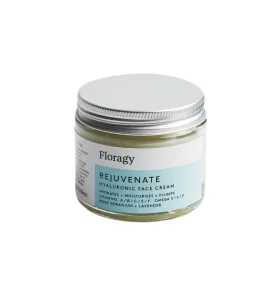
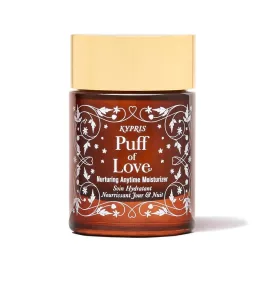
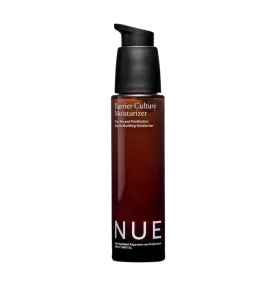
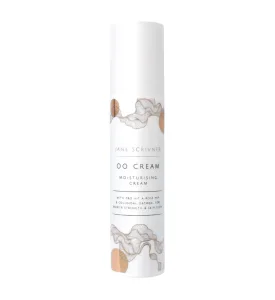
Day Creams
Day creams are designed to hydrate, protect, and prep your skin for the day ahead. Unlike night creams, they have a lightweight texture that absorbs quickly, making them ideal for wearing under makeup and SPF.
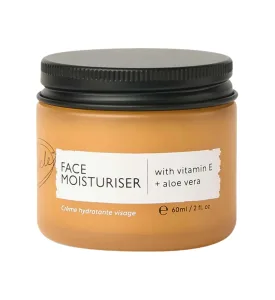
Lightweight Lotions
Find moisturisers too heavy on your skin but still need hydration? Lotions tend to be water based, absorb quickly and feel weightless on the skin without feeling shiny or slick. Balancing hydration with a breathable texture, these suit normal to combination skin.
Look for niacinamide to help regulate oil and antioxidants for protection.
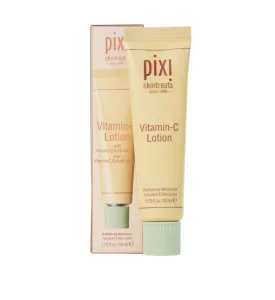
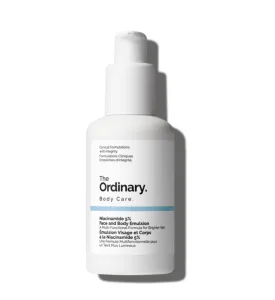
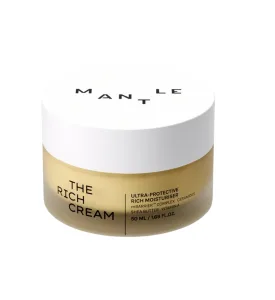
Rich Creams
Thicker, more nourishing formulas designed to lock in moisture. Richer creams are perfect in the winter to protect your skin from the elements, often featuring more occlusive ingredients to create a protective barrier on the skin.
Ideal for dry or mature skin, especially in colder months.
Seek out ceramides, squalane, or shea butter to support the skin barrier.
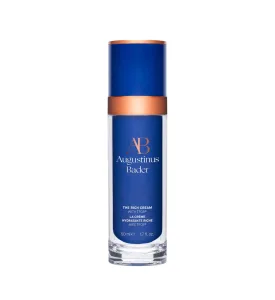
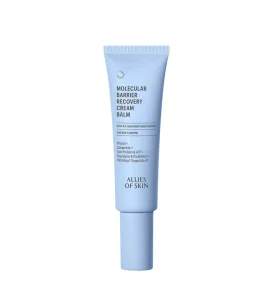
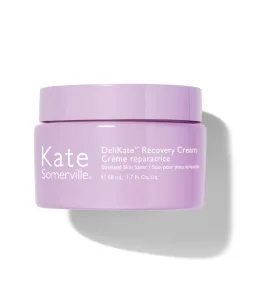
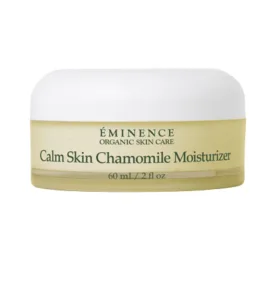
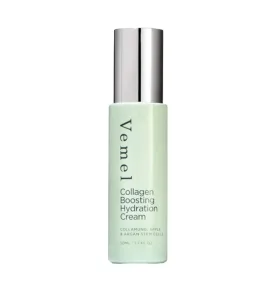
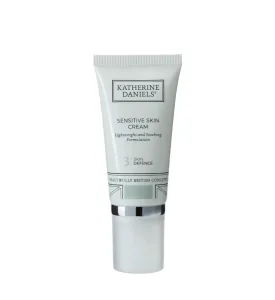
Sensitive Skin Creams
Sensitive skin often needs special attention and products to manage a compromised skin barrier.
Look for fragrance free creams with calming ingredients like aloe, oatmeal, or Centella Asiatica.
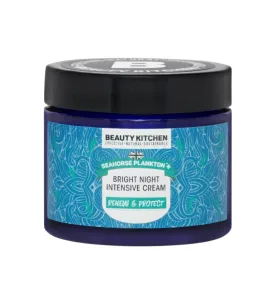
Night Creams
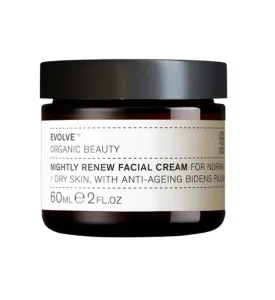
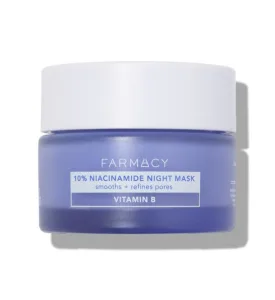
Packed with replenishing ingredients to work while you sleep. Get your ‘beauty sleep’, night creams support the skin’s natural regenerative process while you’re sleeping to help calm and soothe your skin as you sleep.
These often contain peptides, retinol, or fatty acids to repair and restore.
A must-have for those wanting to wake up with glowing skin!
SPF Creams
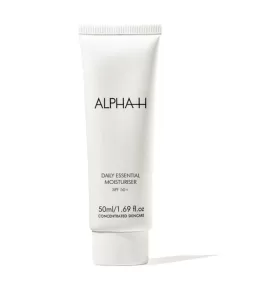
SPF infused moisturisers offer hydration and sun protection in one step, making them a great addition to your routine, particularly on these busy mornings when you don’t have time to layer lots of products. However, they shouldn’t replace your dedicated sunscreen as most people don’t usually apply enough SPF moisturiser to get the full level of protection needed.
Think of SPF moisturisers as an extra level of protection, not your main shield against UV damage. Ideally, pair it with a separate sunscreen for full protection.

If you want to layer your skincare products, this is the general order:
- Cleanser
- Toner
- Treatments like spot correctors or exfoliators
- Serums
- Eye cream
- Retinoid
- Moisturizer
- Face oil
- SPF
Apply the products from lightest to heaviest (rich).
No matter your skin type, the right moisturiser can transform your routine and you can also customise your routine by layering your moisturisers for even better results. Try a gel-based humectant first and follow up with a rich cream for sealing in moisture.
Which type of face cream do you swear by? Tell us in the comments!
Jessica Reid
(*PR gift/sample)
May contain affiliate links



Leave A Comment