
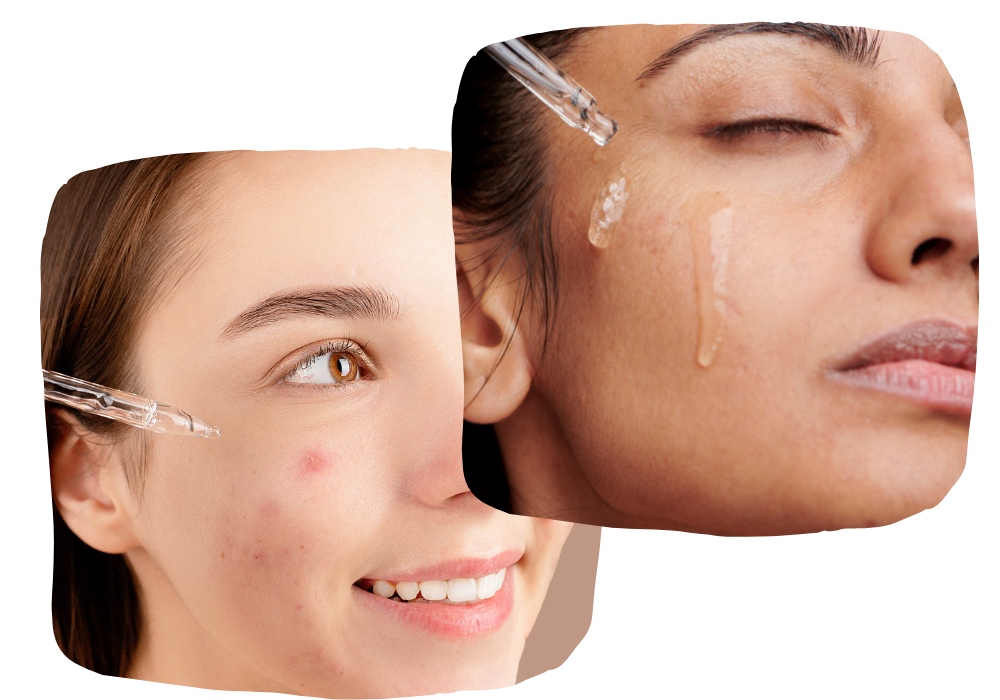
Our skin naturally sheds dead cells every day, but as we age, this process slows down. This can lead to dull, flaky skin, enlarged pores, wrinkles, uneven skin tone, and other signs of aging.
The good news? You can support your skin’s natural exfoliation by using gentle chemical exfoliants, which reveal the radiant, glowing skin underneath.
Two of the most popular chemical exfoliants are AHA (alpha hydroxy acid) and BHA (beta hydroxy acid). Let’s explore what they are, their benefits, and which one may suit your skin type.
What Are AHA and BHA Exfoliants?
AHA (Alpha Hydroxy Acid) and BHA (Beta Hydroxy Acid) are chemical exfoliants that both work to ‘unglue’ the bonds holding dead, dull skin cell to the surface of the skin. What you need to do is break these down so the skin naturally sheds these old cells.
Both AHA and BHA exfoliants are formulated with a pH range between 3 and 4.
“AHA’s and BHAs are commonly used in the same sentence, and indeed products, but work in very different ways. AHAs work at the superficial layers of the dermis, and are commonly Glycolic Acid and Lactic Acid. They promote shedding at surface level and provide an antibacterial effect.
BHA’s work at the deeper layers of the skin, with Salicylic Acid the most common. Salicylic acid is oil soluble, which will get deep into your pores to break up oils, exfoliate the skin and other deep follicular action,” says Kelly Saynor. Kelly Saynor, a Specialist Aesthetics Nurse.
Key Benefits of AHA and BHA Exfoliants
- Remove dead skin cells
- Decrease inflammation
- Decrease the appearance of large pores and surface wrinkles
- Evens out skin tone and improves overall skin texture
- Can help to unclog pores to prevent acne
- They both impact collagen and procollagen production to show an improvement in the appearance of photoaged skin.
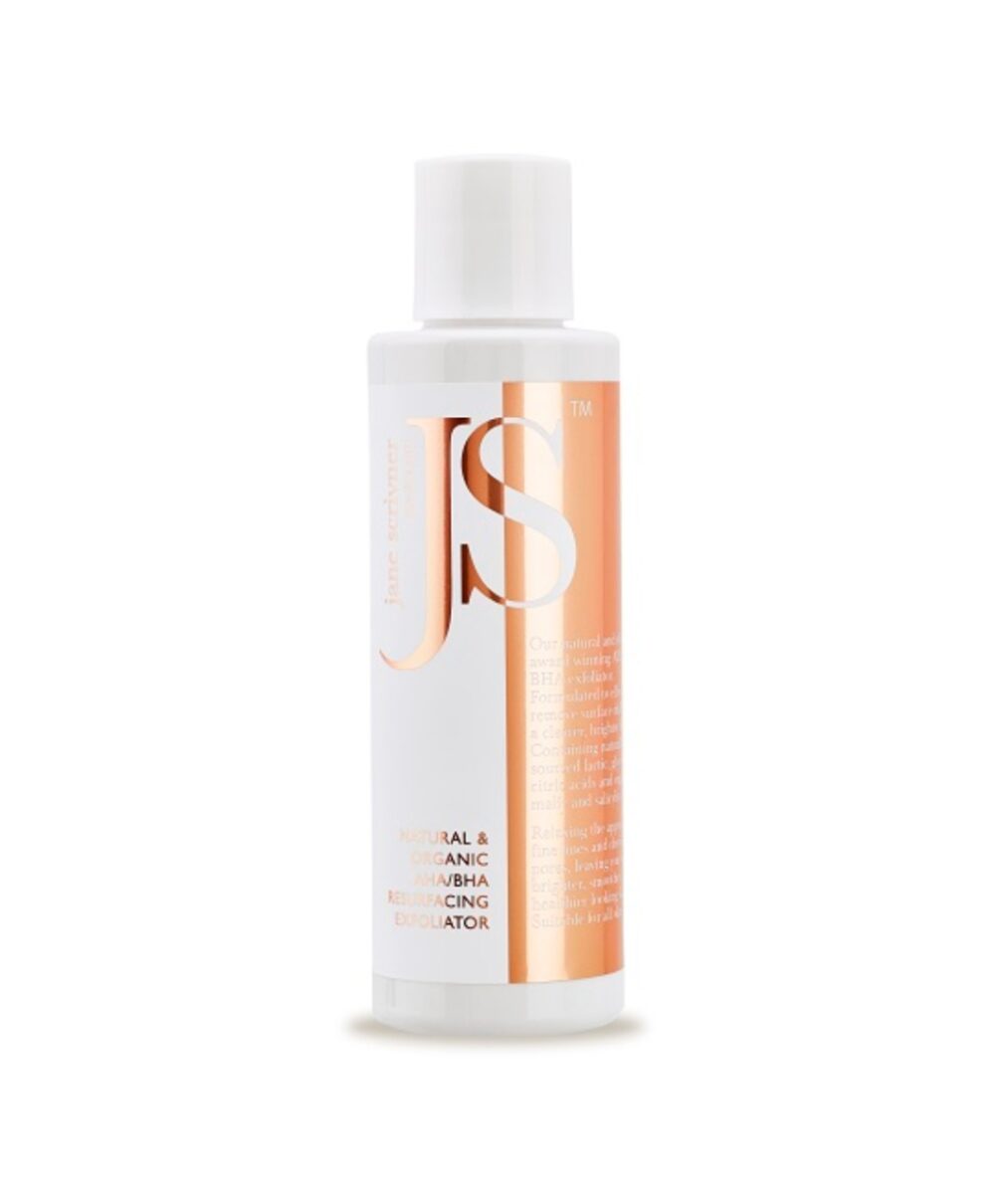
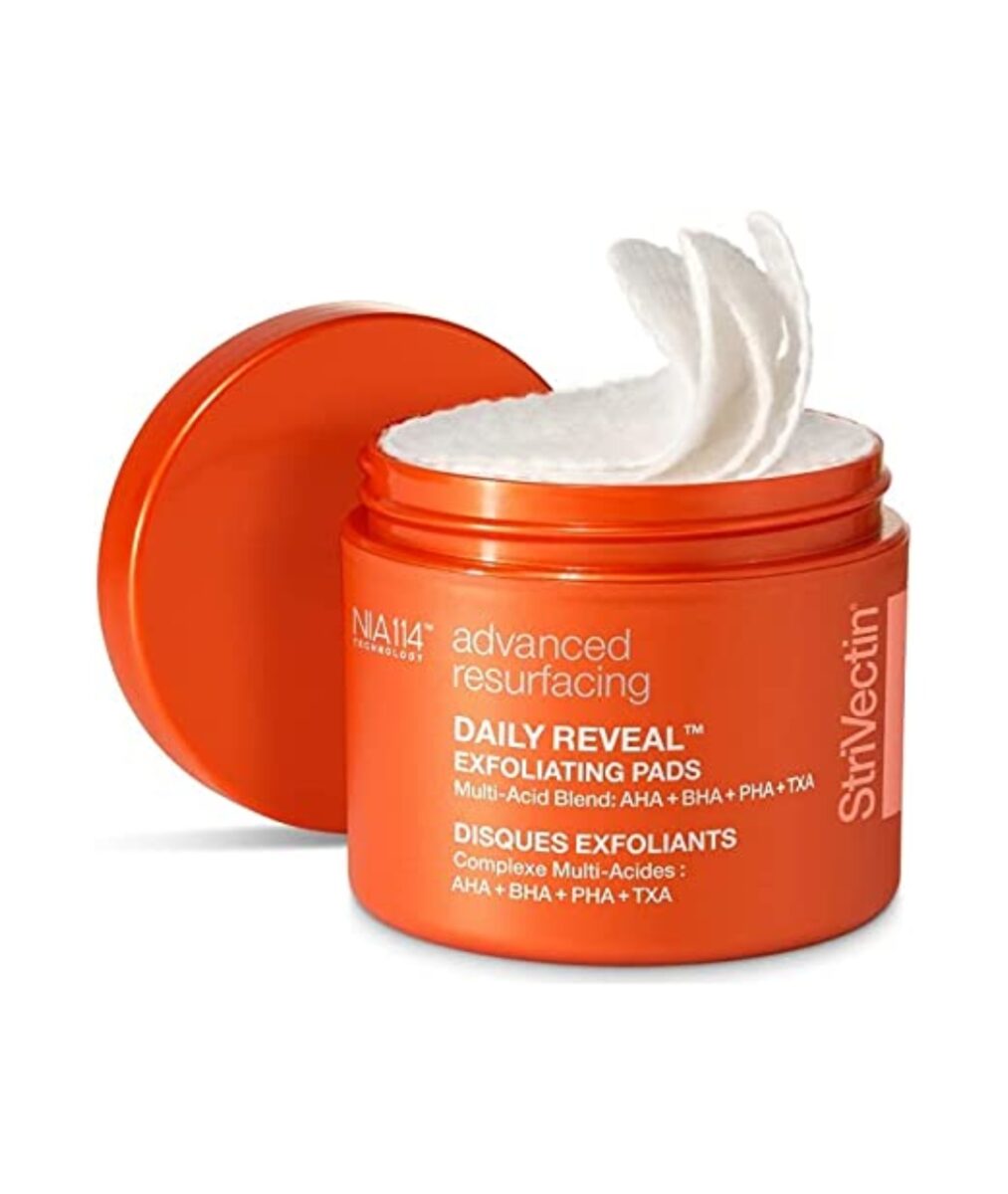
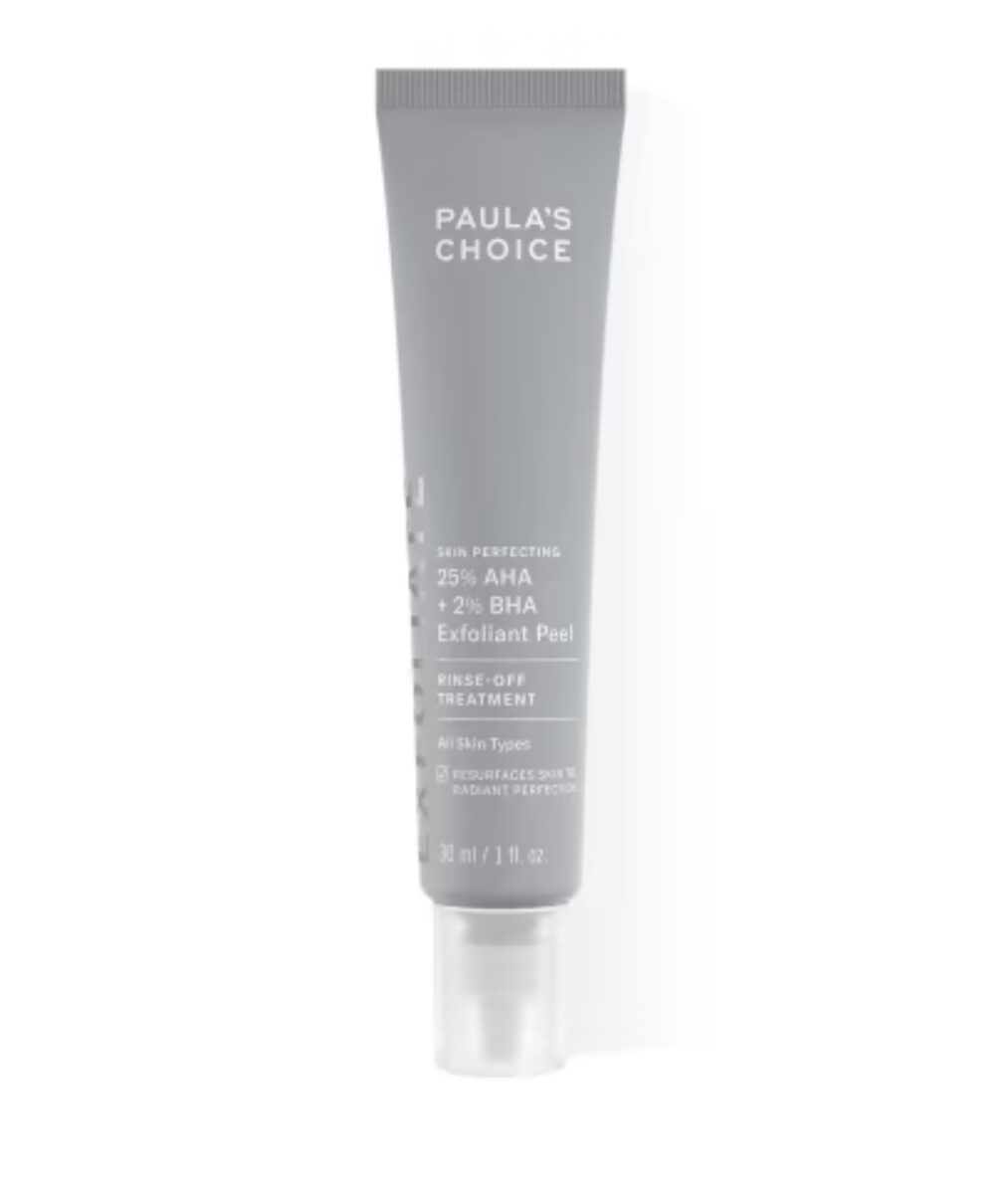
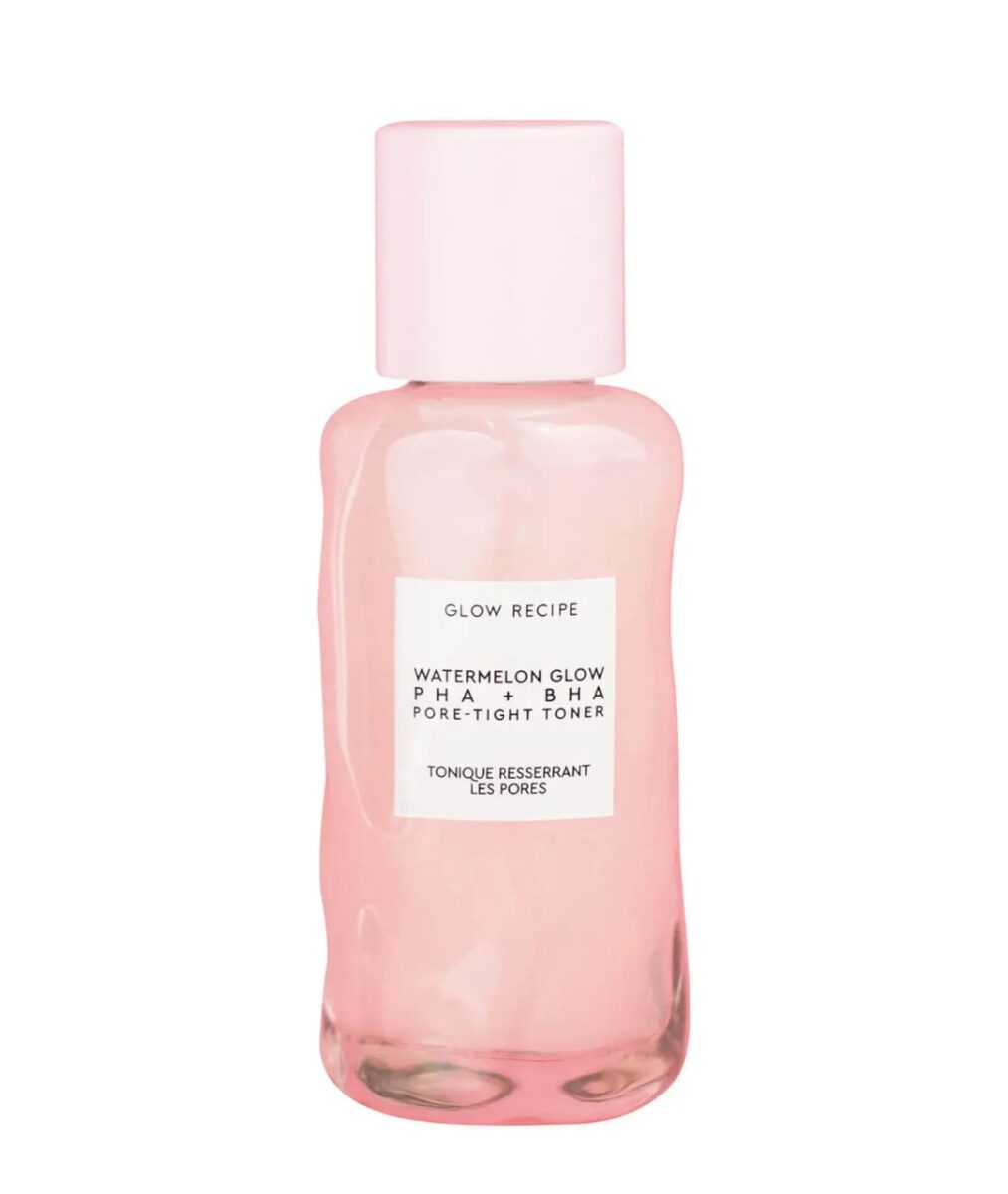
Popular products combining AHA and BHA include:
So, let’s get on to the differences and which one could work better for your skin type. Neither is better – but they work slightly differently so can suit different needs.
AHA Exfoliants: Ideal for Dry or Sun-Damaged Skin
AHA stands for alpha hydroxy acid.
AHA’s are water soluble and made from sugary fruits. They work on the skin’s surface to hydrate and smooth and are a slightly more aggressive type of exfoliant. They are proven to be effective in reducing visible signs of sun damage, including wrinkles and improving skin tone. They help regulate cell turnover for healthy, dewy skin.
“AHAs exert their effect on the skin-surface and help regulate the skin-moisture balance. They are particularly suitable for sun-damaged or dry skin,” says the experts at skin care and supplements brand RINGANA.
Common AHAs: Glycolic Acid, Lactic Acid, Mandelic Acid, Citric Acid.
Best for: They’re ideal for dry, sun damaged skin as they’re so moisturising.
Recommended AHA products:
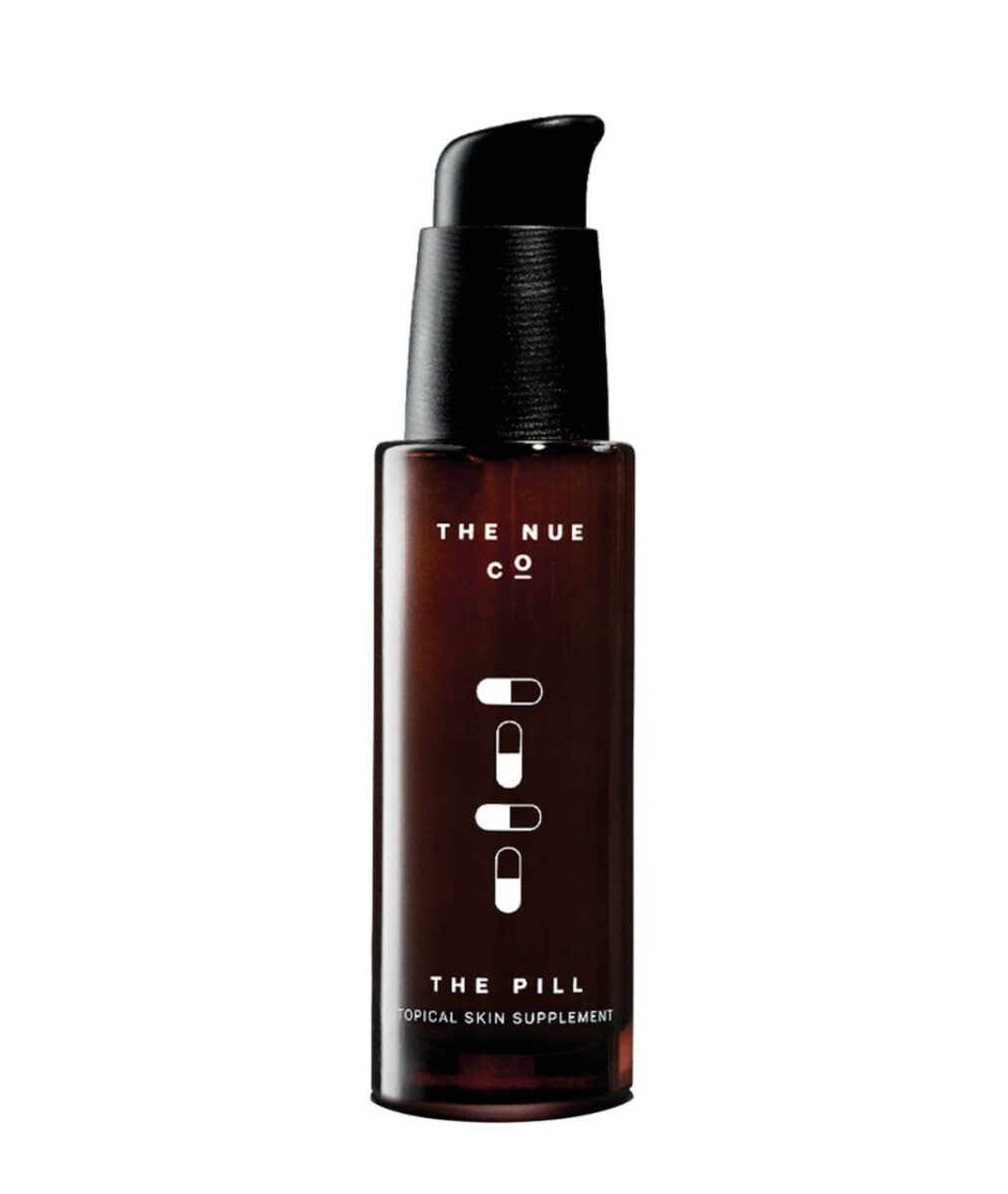
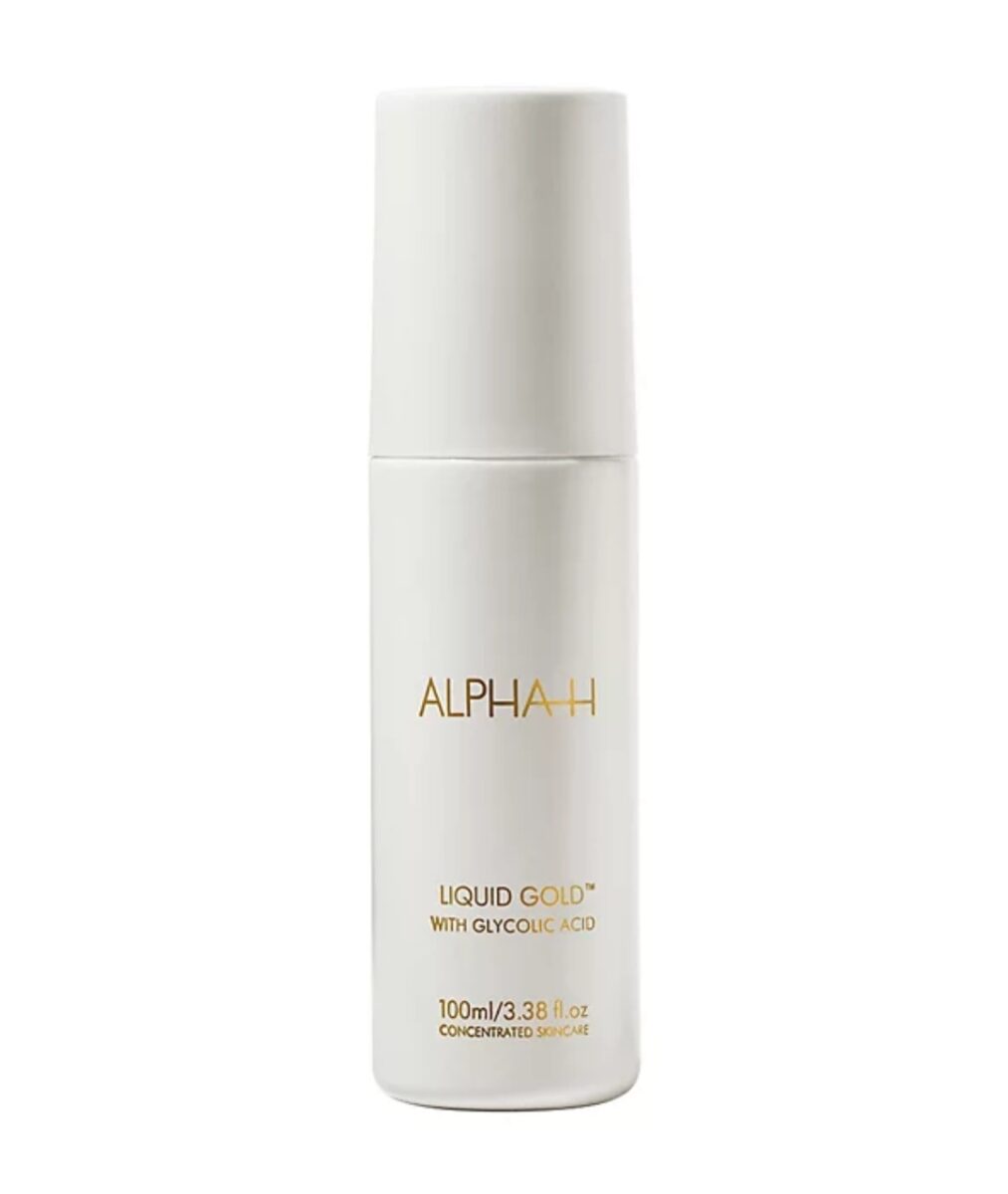
BHA Exfoliants: Perfect for Oily or Acne-Prone Skin
What is BHA?
BHA stands for beta hydroxy acid.
BHA exfoliants on the other hand, are oil soluble. They penetrate deeper into the pores to clean out dirt, oil and dead skin cells. They also work on the skin’s surface to calm and are often used for acne and sun damage. Some common exfoliants include Salicylic Acid.
“BHAs can penetrate deeper into the skin and are particularly suitable for blemished and oily skin, as they counteract clogged and enlarged pores as well as blackheads and blemishes.
In addition, BHAs are milder and well tolerated, they have a soothing effect on irritated skin. Therefore, people with sensitive skin prone to redness and irritation can also benefit from the exfoliating effect of BHA products,” says the experts at skin care and supplements brand RINGANA.
Most common BHA: Salicylic Acid
Best for: Oily, breakout-prone, or sensitive skin
Recommended BHA products:
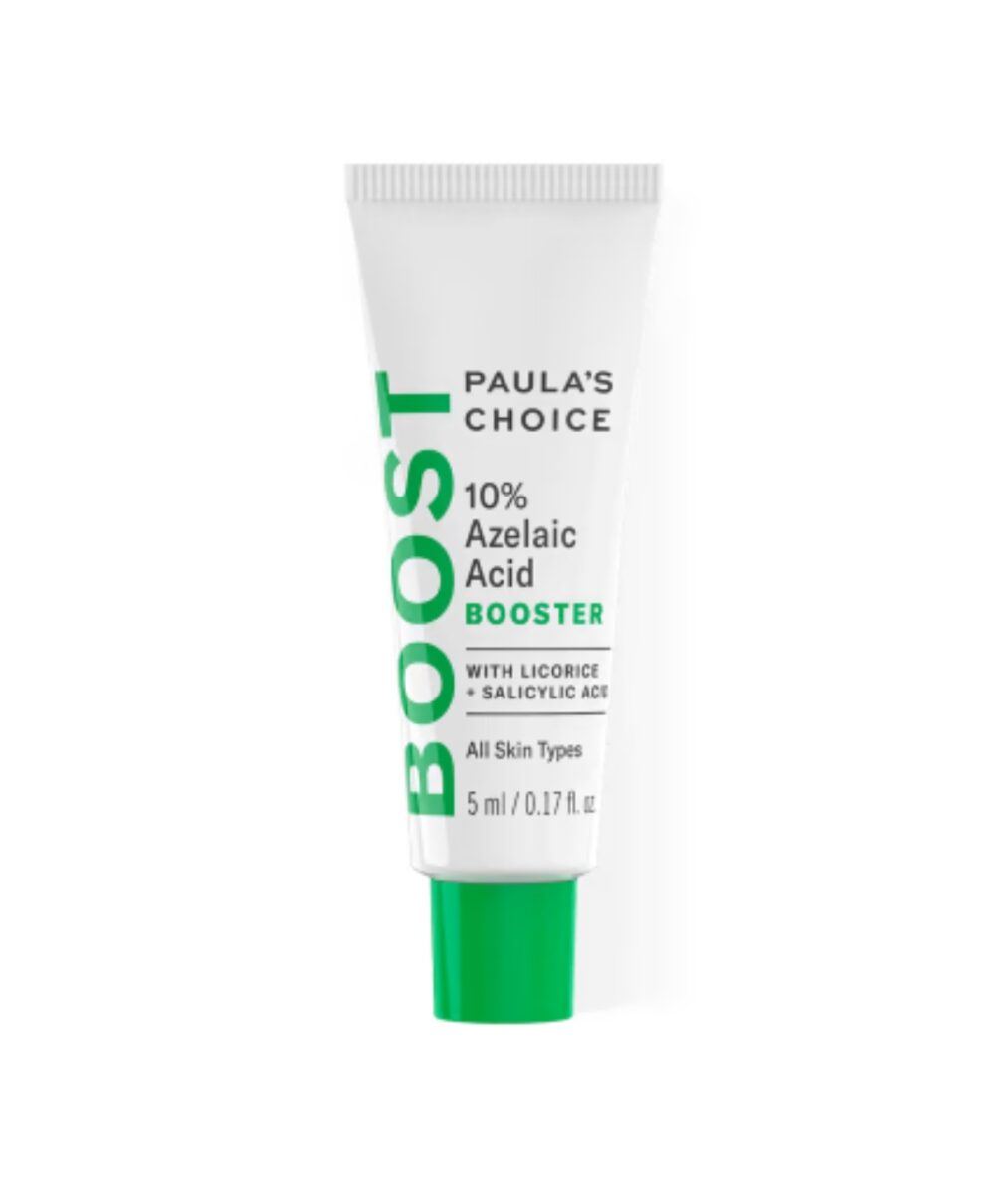
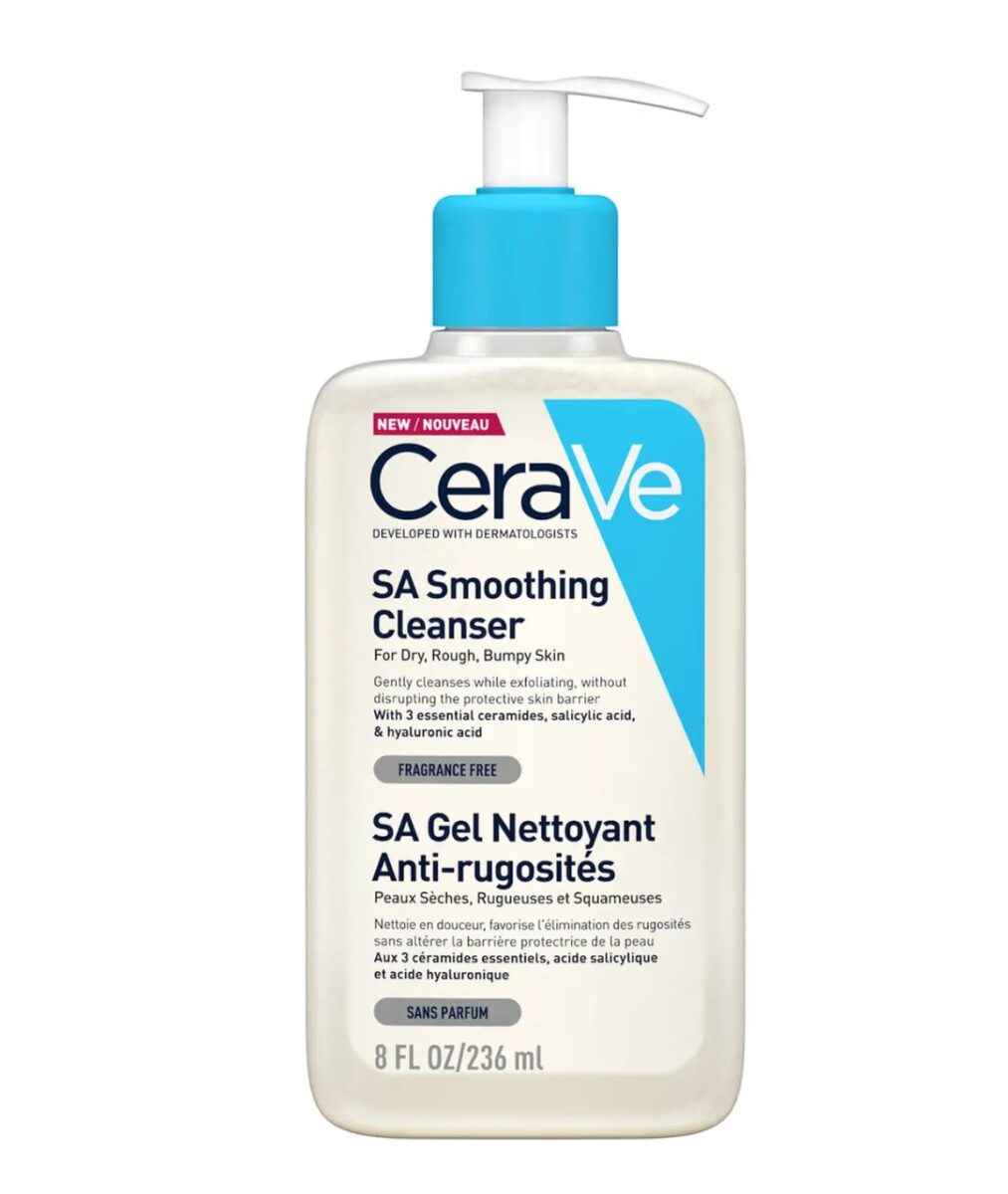
AHA vs BHA: Which One Should You Choose?
Neither AHA nor BHA is inherently better… they simply target different skin concerns:
Choose AHA if your skin is dry, sun-damaged, or looking to improve tone and wrinkles
Choose BHA if your skin is oily, acne-prone, or prone to blackheads
Pro tip: Avoid over-exfoliating, which can damage your skin’s moisture barrier, and always use SPF after chemical exfoliation to protect your skin.
Updated 2nd September 2025.









Leave A Comment