
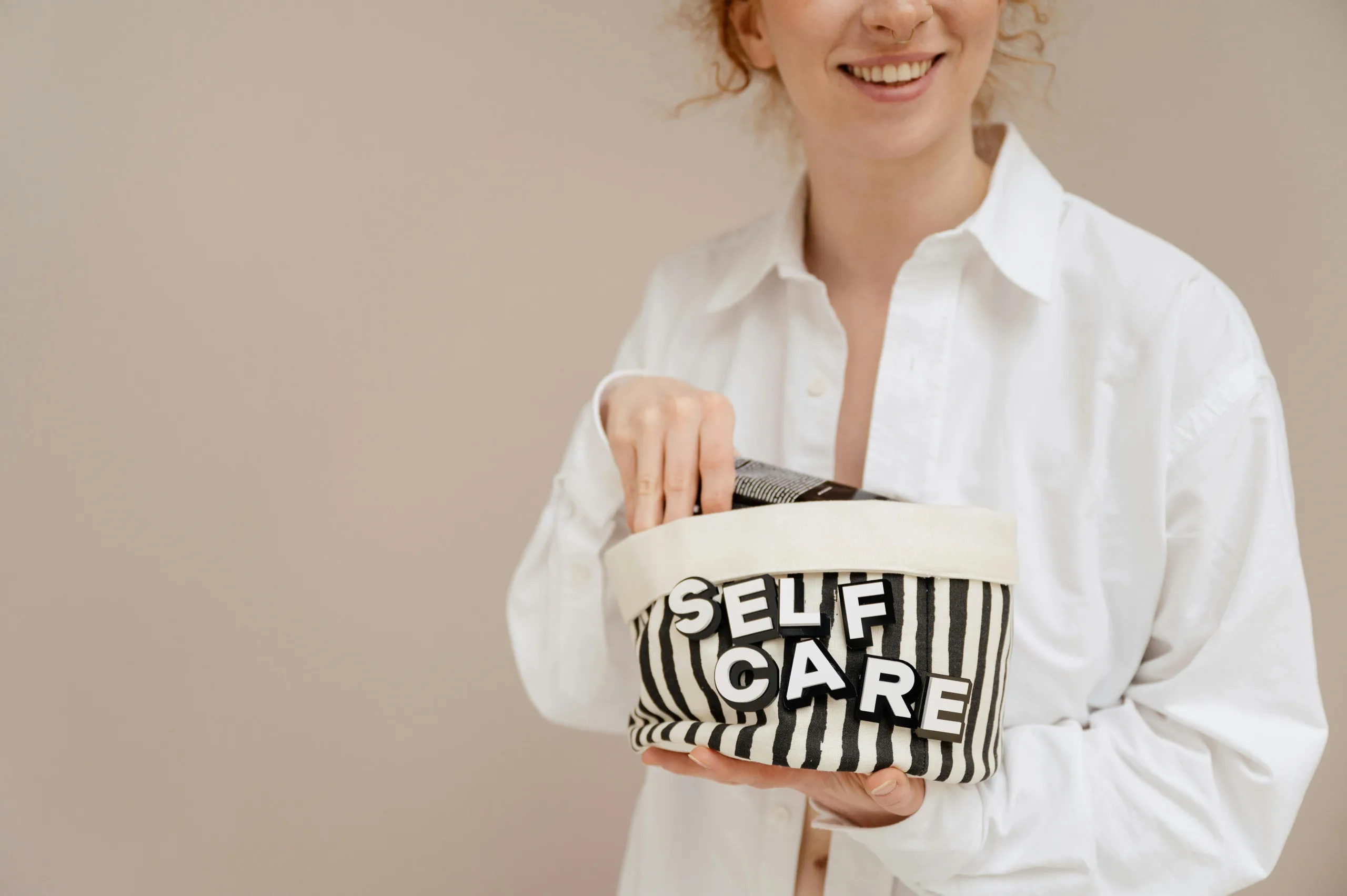
Our senses are constantly processing information from the world around us, shaping how we respond to different situations. When we’re stressed, unwell, or overwhelmed, our sensitivity to this input can fluctuate: sometimes becoming heightened, other times dulling. By intentionally engaging our senses, we can regulate our nervous system, helping to restore balance, reduce anxiety, and improve overall wellbeing.
Here’s a range of tactile, auditory, visual and other stimuli to help promote relaxation and reduce anxiety this Stress Awareness Month. Whether you’re feeling overwhelmed and just want something to ground you, or you’re looking for new tools to help you feel calm, here’s what you can do.
When looking to create your own toolkit, don’t forget…
Make it personal: when it comes to sensory self-care, you don’t have to go with trends, make sure to include items that you genuinely feel are comforting and relaxing.
Make it accessible: don’t hide it away, make sure you can reach for it easily when you need it.
Don’t be afraid to make changes: your emotional wellbeing needs may change over time, so don’t be afraid to experiment and make tweaks over time.
Touch / Tactile
When looking for tactile tools to add to your toolkit, it’s all about working out if you’re leaning more towards sensory avoidance or looking to seek sensory input. Quite often when you’re feeling overwhelmed – you might find that tactile items can feel overstimulating or that you’re ‘touched out’ so bear that in mind when building your toolkit and when reaching for your items.
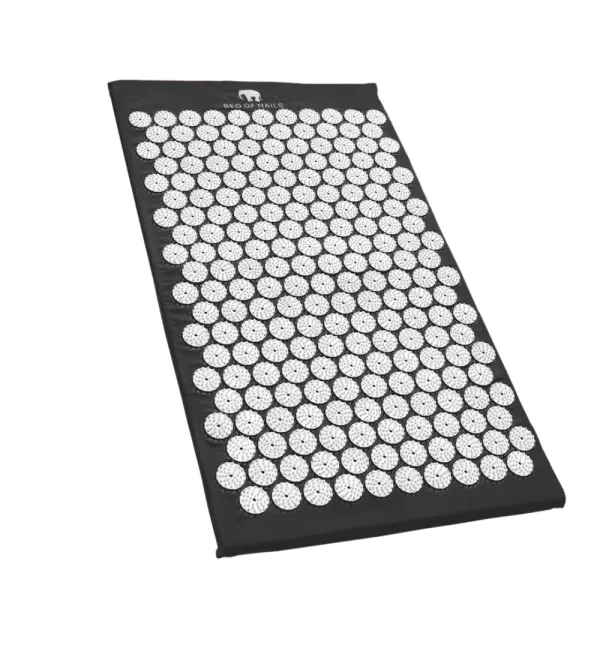
Look for soothing items such as massage tools that can relax the muscles, as well as items like weighted blankets that tap into deep pressure therapy, which you may find grounding and promotes a sense of calm.

Sound / Auditory
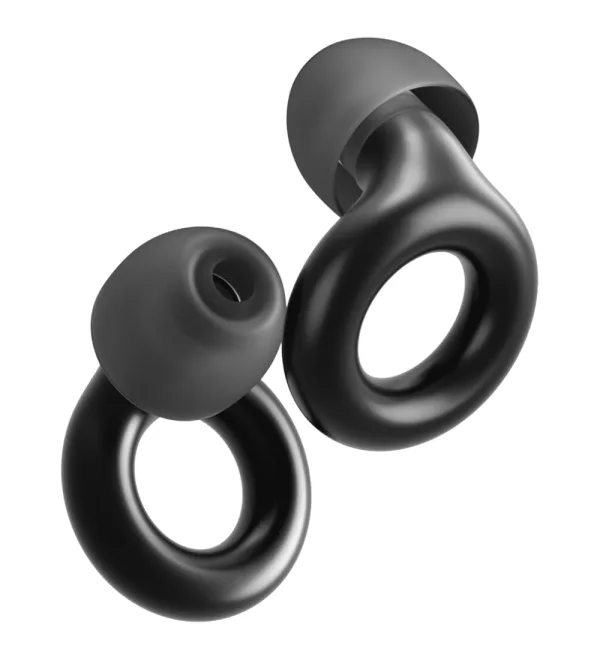
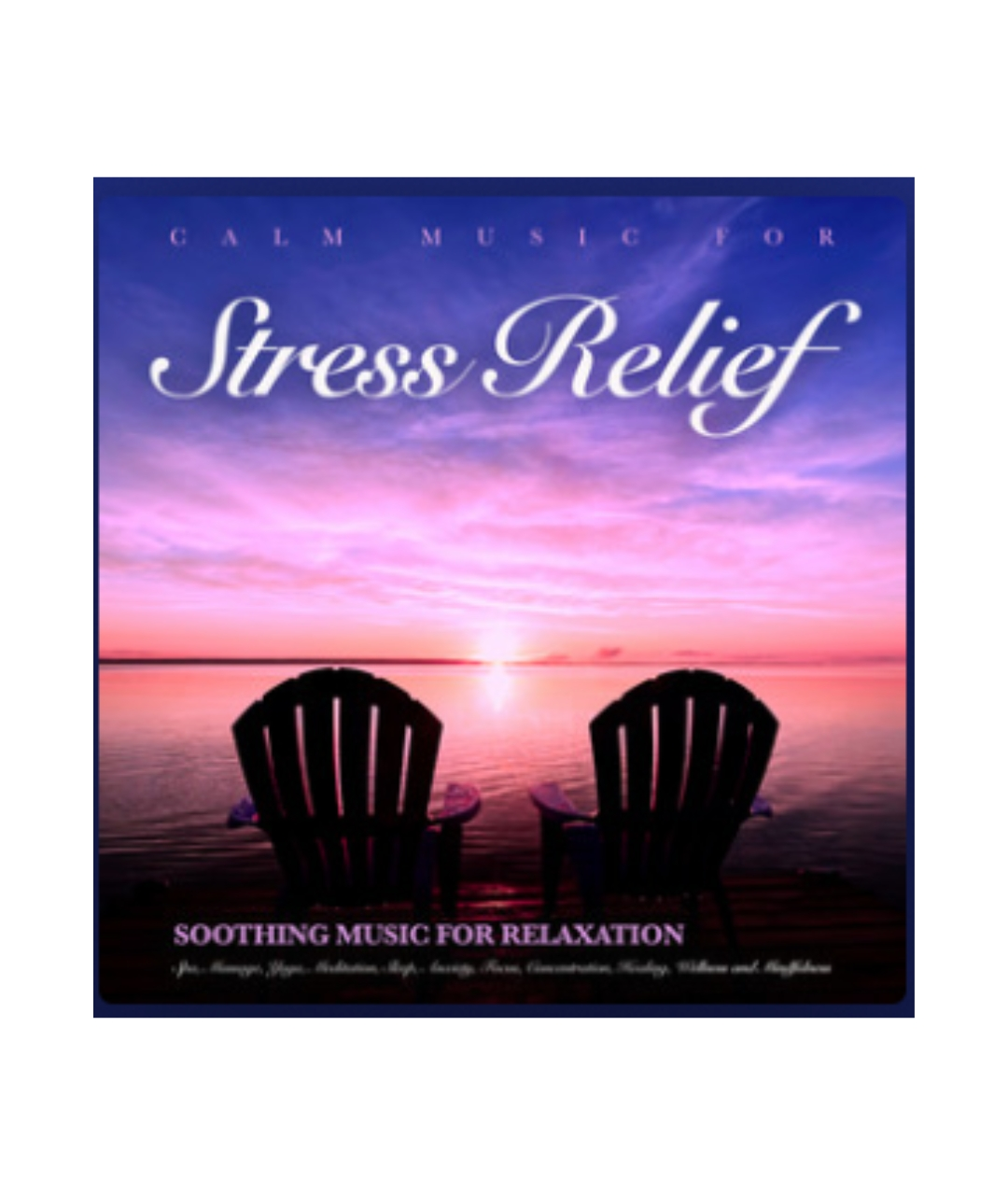
When it comes to auditory self-care, there are two approaches you can look at. You might be looking to block out excessive auditory input around you, or you could want to utilise specific auditory stimuli for your own benefits. Both are powerful in their own way to promote calmness and stress relief.
Visual
Visual input can be a powerful distraction. Immerse yourself in the moment and being able to focus on something in front of you can help bring a sense of clarity and calm – letting the world around you fade away, even if it’s just for a short time.
Smell
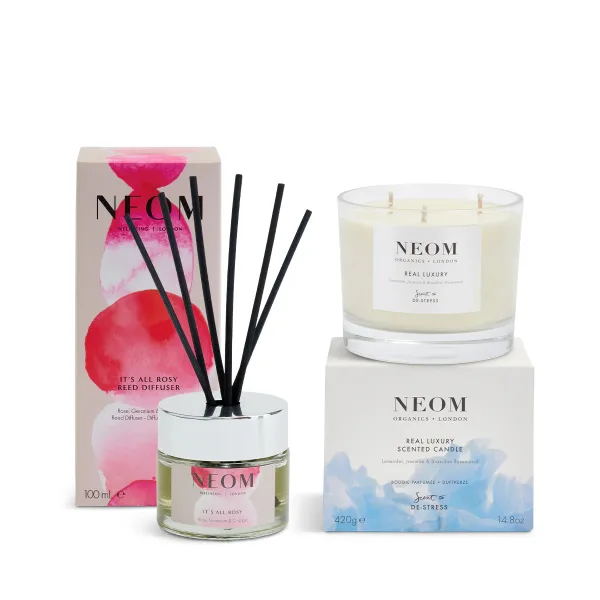
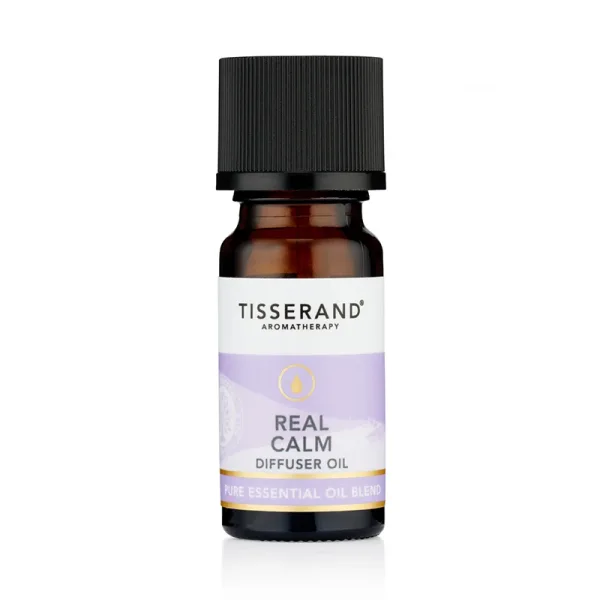
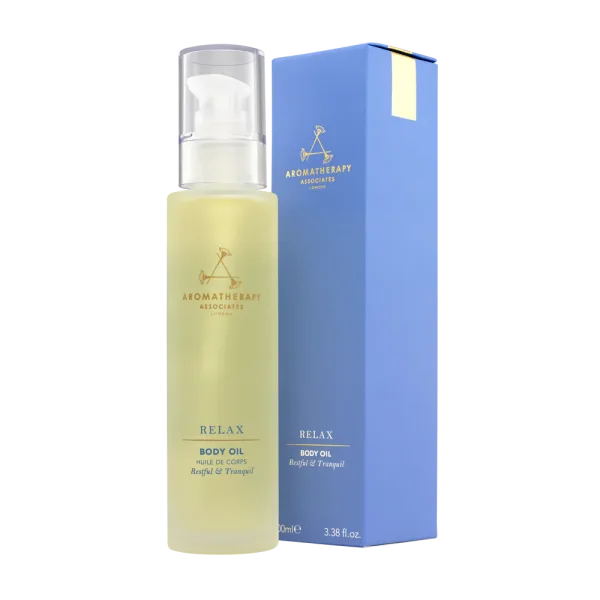
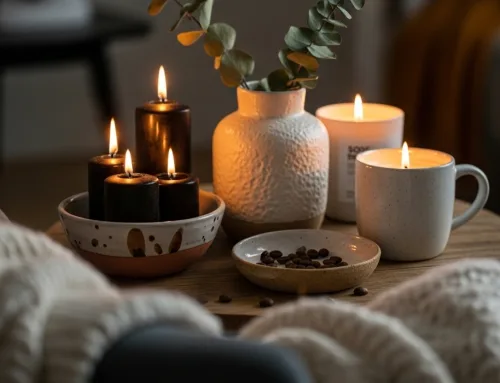
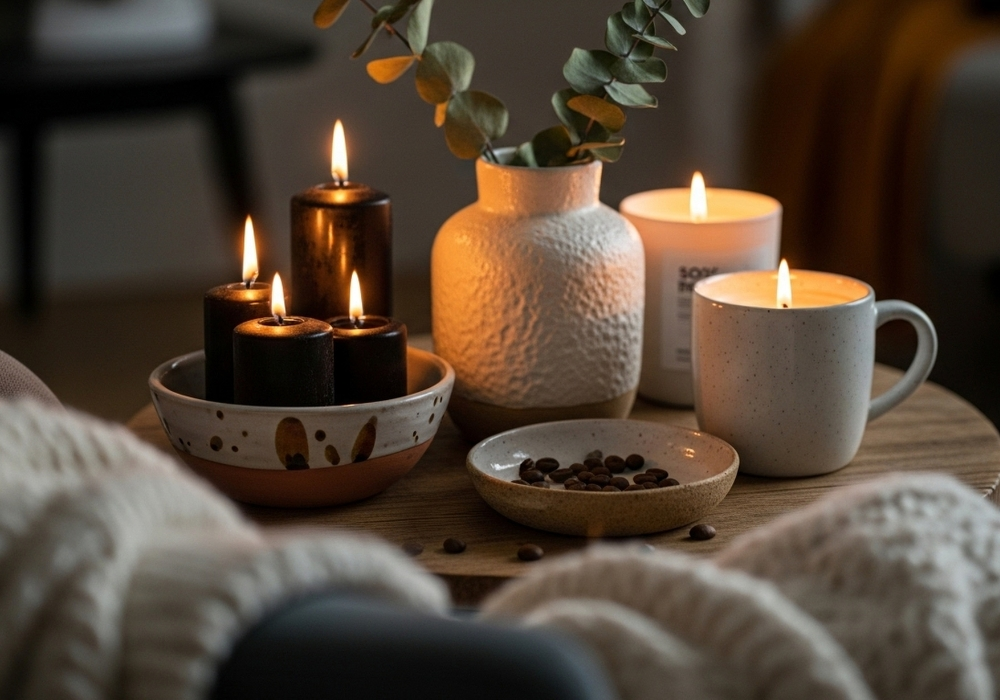
The sense of smell is a powerful thing. It can invoke memory and you can create a sense of familiarity that can be soothing. You’ll also find that certain scents like essential oils have been shown to induce relaxation. Over time, your brain will associate these scents with relaxation, making them even more effective. Here are some you can add to your toolkit…
Taste
Engaging your sense of taste is a simple yet effective way to anchor yourself in the present moment. Certain flavours and textures can have a grounding effect, helping to calm the mind and body. Opt for items that offer additional benefits, such as herbal teas known for their soothing properties or gummy supplements formulated to reduce stress. Savouring each bite or sipping mindfully can enhance the sensory experience and deepen relaxation too.
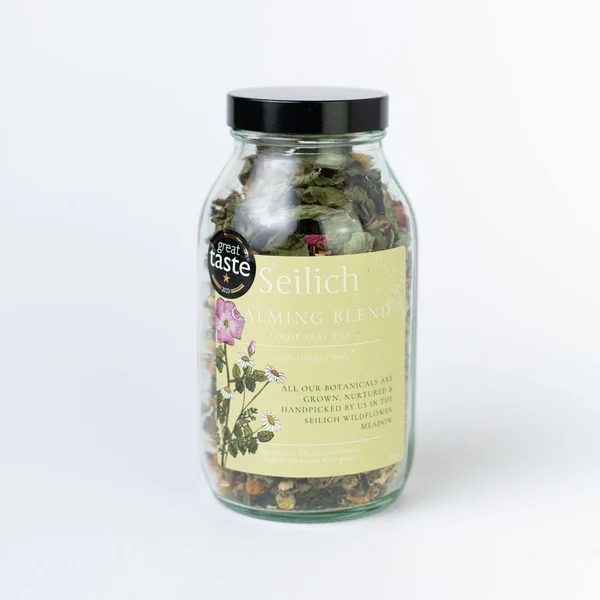
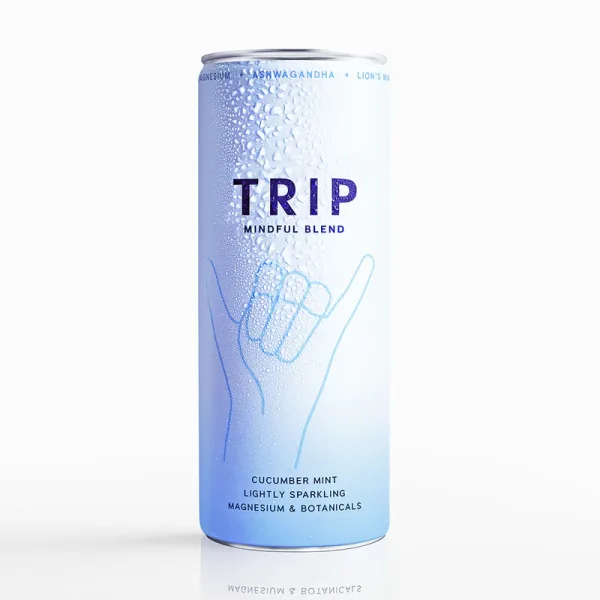
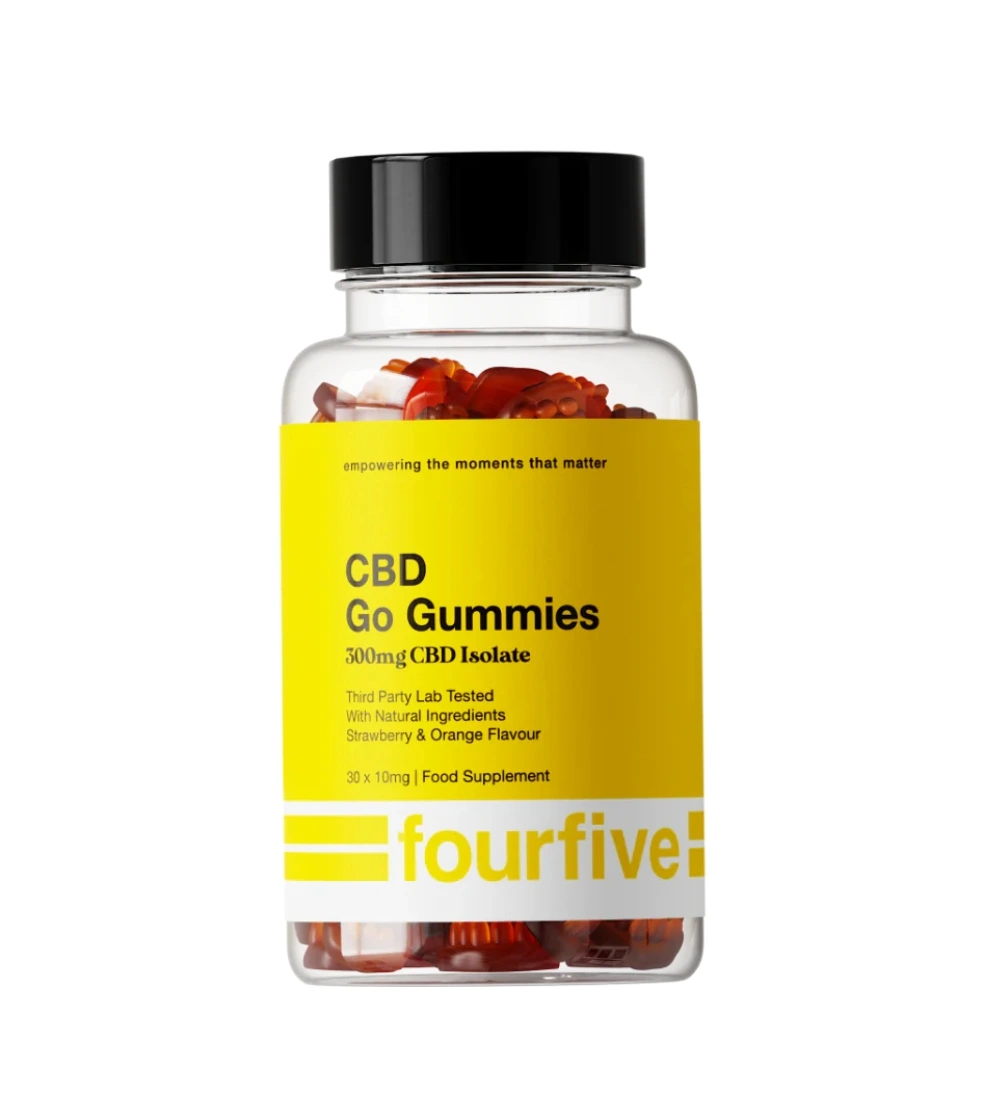
Other sensory ways to bring your body back into balance:
Movement can help to either calm or alert your body, depending on the exercise. If you’re feeling sluggish or dull, an invigorating workout can help get those endorphins flowing. Feeling stressed or anxious? Gentle movements like yoga can signal to your body to calm down.
Deep or slow breathing can also help. Do you ever notice that you sigh when you’re feeling high or low energy? This is your body trying to help us regulate or reorganise and calm our brains. Breathing slowly and deeply can help reduce stress hormones in the body.
Figuring out what works best for you when you are feeling stressed or overwhelmed will take some experimentation, so try out different items and mindfulness tools and see what works best for you.
(*PR gift/sample)
May contain affiliate links







Leave A Comment