
Dealing with breakouts, blackheads or an oily t-zone? If you haven’t already heard of it, it’s time you do – let us introduce you to Salicylic Acid.
Salicylic Acid is one of those fab ingredients that we swear by for smoother, clearer skin. It’s a gentle exfoliant which is a bit of a gamechanger.
Let’s break down everything you need to know about salicylic acid: what it is, how it works, which skin type benefits most and how to spot it in your product labels.
What is Salicylic Acid?
Salicylic acid is a beta hydroxy acid (BHA) renowned for its deep cleansing and exfoliating magic. It is derived from willow bark and is oil soluble: this means it can penetrate deep into pores.
Unlike alpha hydroxy acids (AHAs) which exfoliate the skin’s surface, salicylic acid gets beneath the surface of the top layer of the skin to unclog pores, reduce inflammation and prevent breakouts from the inside out. It works by penetrating the skin and attacking the ‘glue’ holding the skin cells together, exfoliating and cleaning out the pores, penetrating deep into the pores rather than just exfoliating the outer surface of the skin.
What are the key benefits?
- Helps fight acne: an anti-inflammatory and antibacterial properties makes it a powerhouse in treating active breakouts.
- It unclogs pores: penetrating deeply into the pores, it dissolves excess sebum and dead skin cells. This can help prevent blackheads and whiteheads.
- Reduces oiliness: helps to regulate oil production and doesn’t strip the skin.
- Gently exfoliates: salicylic acid encourages cell turnover to reveal smoother, brighter skin.
- Improves skin texture: it can help reduce the appearance of enlarged pores and roughness
- It can be used on both the face and body
Are there any side effects associates with salicylic acid?
It’s generally considered safe to use on the skin. But as always, do a patch test and speak to a dermatologist if you have any concerns. Overuse can lead to skin irritation, or dryness, so use carefully.
How to find it on skincare labels
Out shopping and want to find salicylic acid? Here’s what wordage to look for:
- Salicylic acid
- Beta hydroxy acid (BHA)
- Willow bark extract (tends to be less potent as it’s the natural source)
Which Salicylic Acid percentage is right for you?
If you’re new to acids, always start with a lower percentage and frequency and build up your tolerance. Make sure to always follow with SPF in the daytime as exfoliants can make your skin more sun-sensitive.
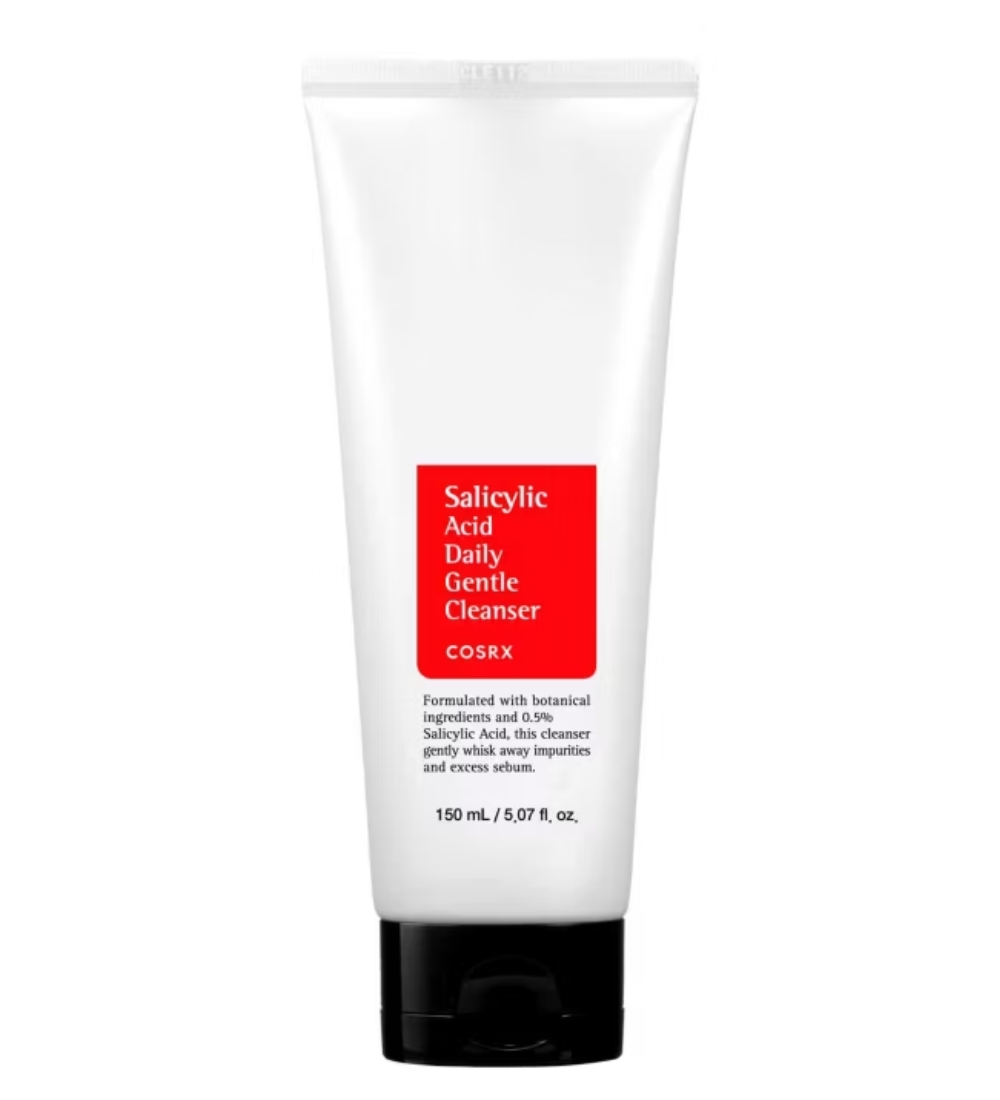
- 0.5%-1% – great for sensitive or first time users, offers a mild exfoliation, pore refining effects
- 1%-2% – great for oily, blemish prone skin, often found in acne treatment products and for blackhead prevention.
- 2% is the max over the counter – best for moderate acne and keratosis pilaris, provides deep pore action for active breakouts
- Above 2% is available on prescription only and is an intensive acne treatment, available only under professional guidance.
Be patient and consistent with your skincare routine and you’ll see results in weeks.
Using Salicylic Acid with other skincare ingredients
We all love to mix and match our skincare – but tread wisely when using actives like this. Here’s a quick guide:
Can be used with
Try to avoid using these on the same day (use on alternative days)
- Retinol
- AHAs like glycolic or lactic acid.
- Vitamin C
Using too many actives at once can overwhelm your skin, so try to use them on alternative days.
Some of our favourite Salicylic Acid products
0.5%-1%
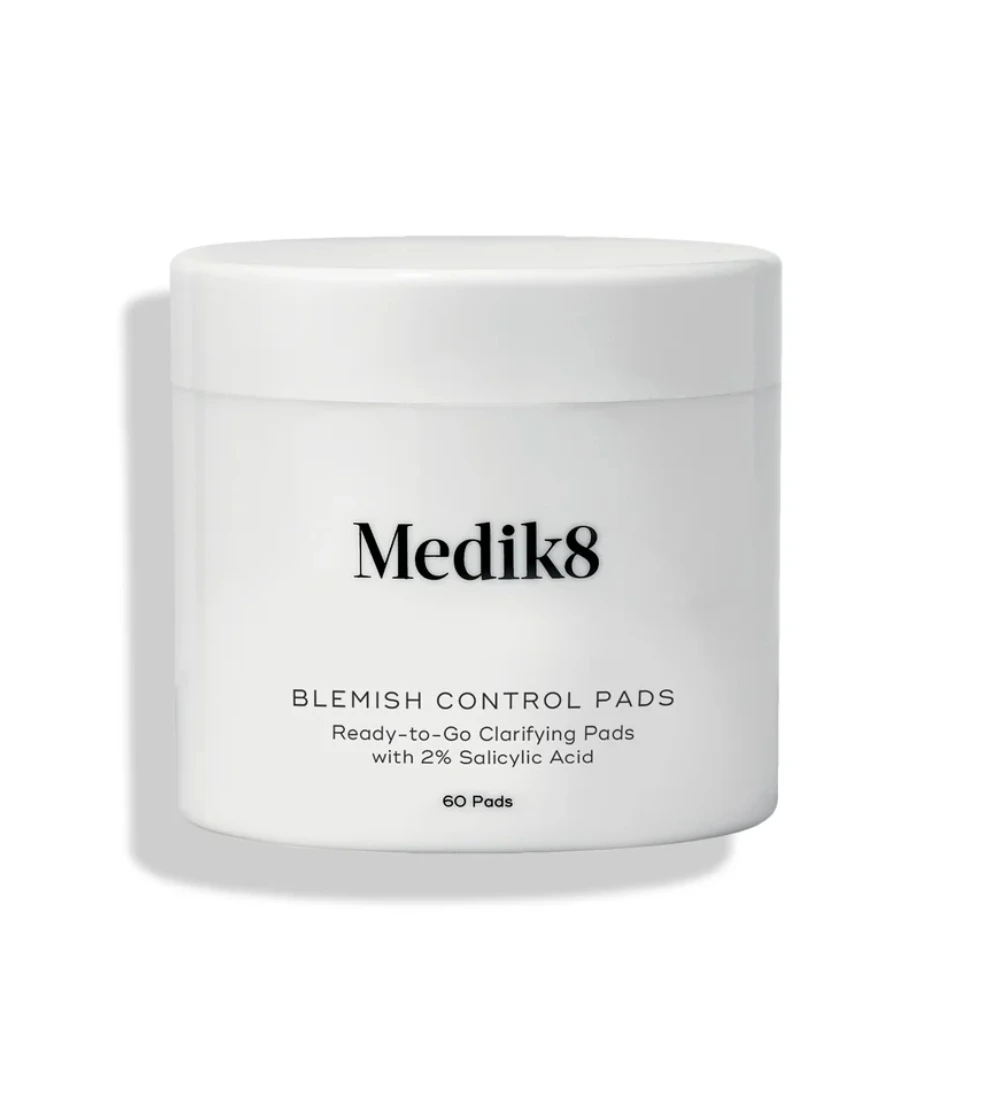
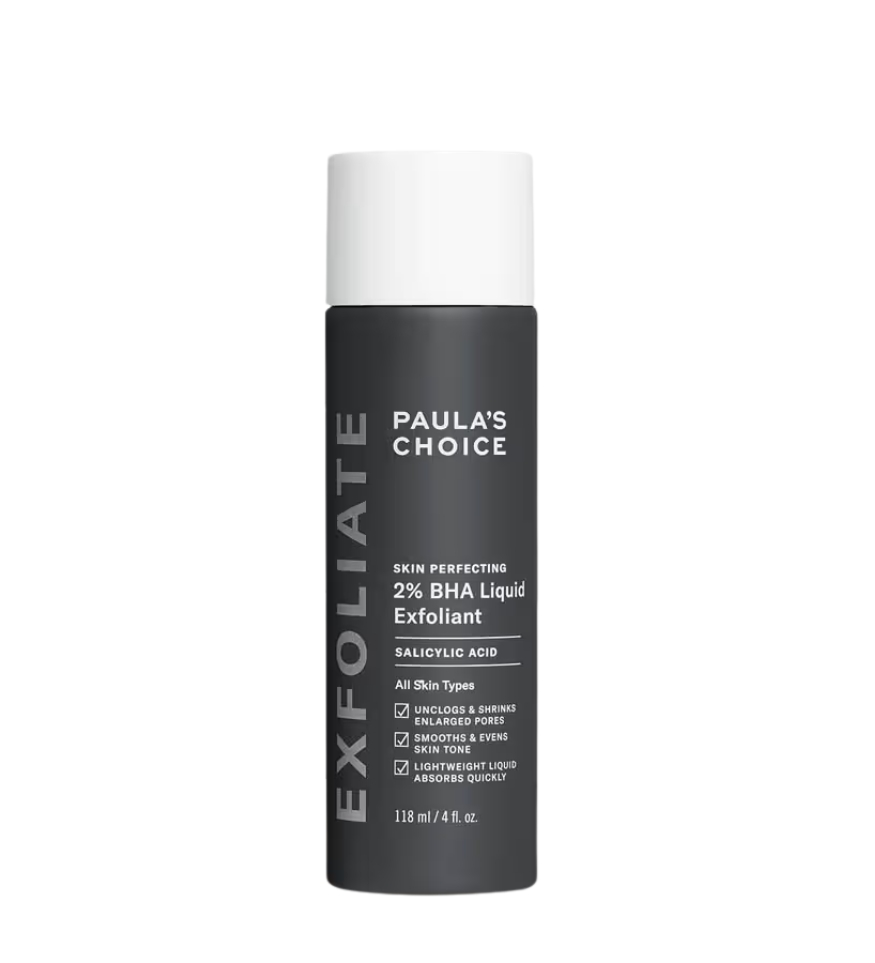
1%-2%


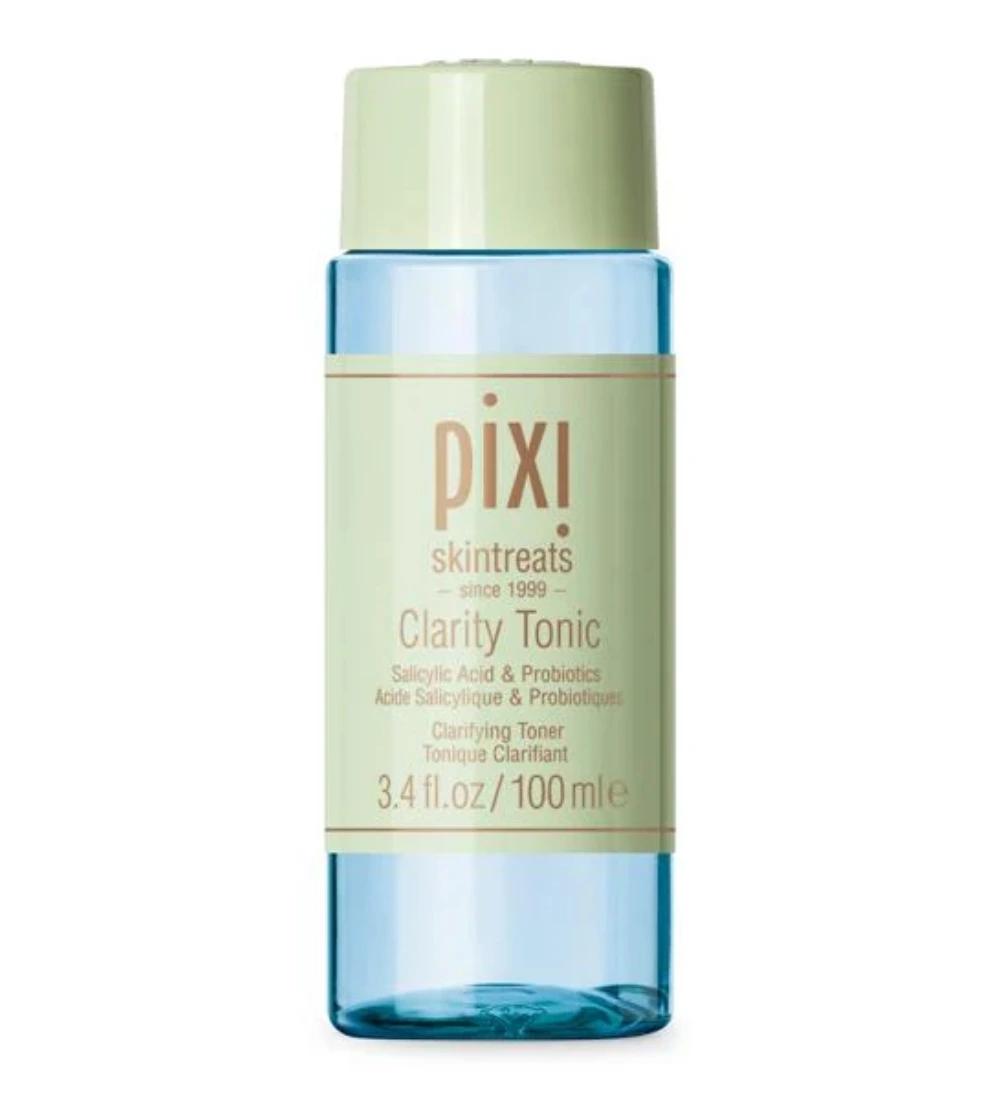
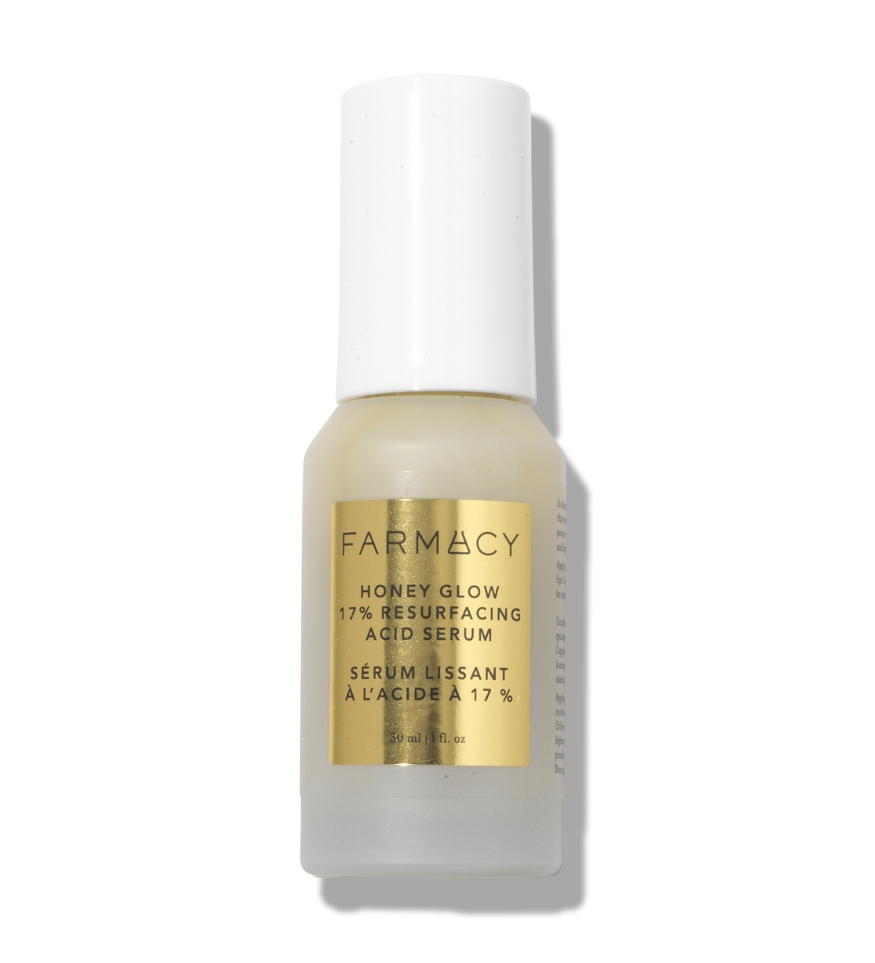
Percentage not disclosed

If you’re dealing with clogged pores, oily t-zones or stubborn breakouts, salicylic acid might be a great ingredient to bring into your skincare as it works below the surface to renew the skin.
(*PR gift/sample)
May contain affiliate links





Leave A Comment