

Feeling constantly tired? Struggling with restless sleep, muscle twitches, or low mood? Maybe you’re craving chocolate more than usual or finding it hard to manage stress like you used to… Sound familiar? You might be low in magnesium — and you wouldn’t be alone.
Chances are, you might be a little deficient in magnesium… it’s becoming increasingly common, unfortunately!
“Overall, 2.5%-15% of the UK population have hypomagnesemia (a low magnesium level). In one 2018 study, 19% of young people in their 20s were getting less than the recommended daily intake of magnesium. In critical care settings up to 65% of patients can have low magnesium,” says Dr Deborah Lee, Dr Fox Online Pharmacy
What is magnesium?
Magnesium is an important mineral that helps your body to function properly, particularly in relation to your muscles, bones, and nervous system. It plays a vital role in regulating muscle contractions, nerve signals, energy production, aiding sleep quality and even blood pressure.
“Magnesium is a co-factor in over 300 enzymatic reactions that affect muscular contractions, nerve function, heart function, and the control of blood pressure and blood glucose,” says Dr Deborah Lee, Dr Fox Online Pharmacy
Signs of low magnesium levels
Low magnesium levels can cause…
- Low appetite
- Nausea and vomiting.
- Fatigue and weakness.
- Muscle spasms or tremors.
- Abnormal heart rhythms.
Let’s talk about the different forms (and what type is best for you)…
Magnesium is a metallic mineral that always attaches to another substance: that’s why there’s different types! Here are some and what they’re good for… because each type will help you with different things. Here’s a breakdown:
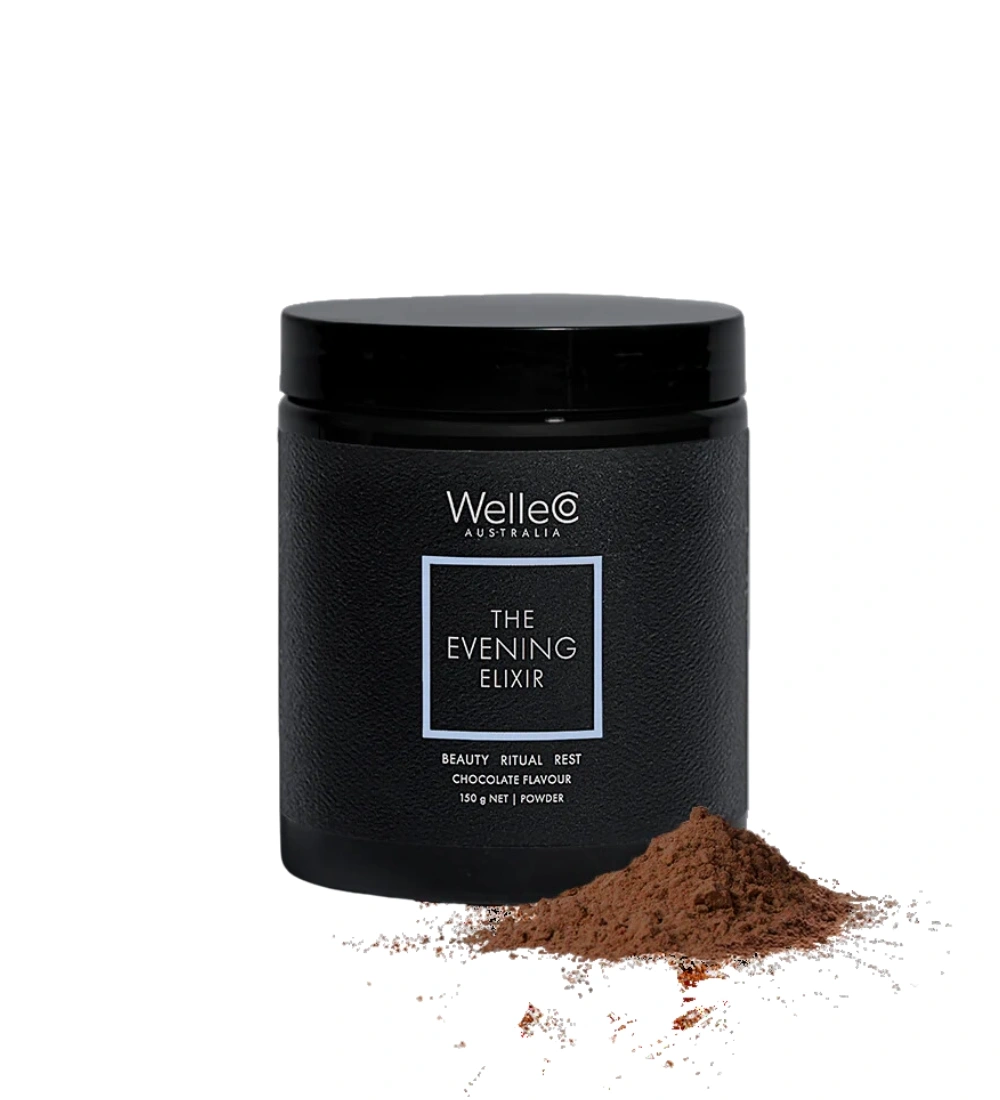
Magnesium citrate (sometimes called citric magnesium)
Is combined with citric acid. Quite easily absorbed compared some other types and commonly used for magnesium deficiency.
Good for…
- It can have a laxative effect, so good for short term use.
- May ease anxiety and support bone health
Find it in

Magnesium Oxide
Made from magnesium, salt and oxygen.
Good for
- Often used for mild indigestion, heartburn and sometimes short time constipation.
- Not well absorbed, but affordable
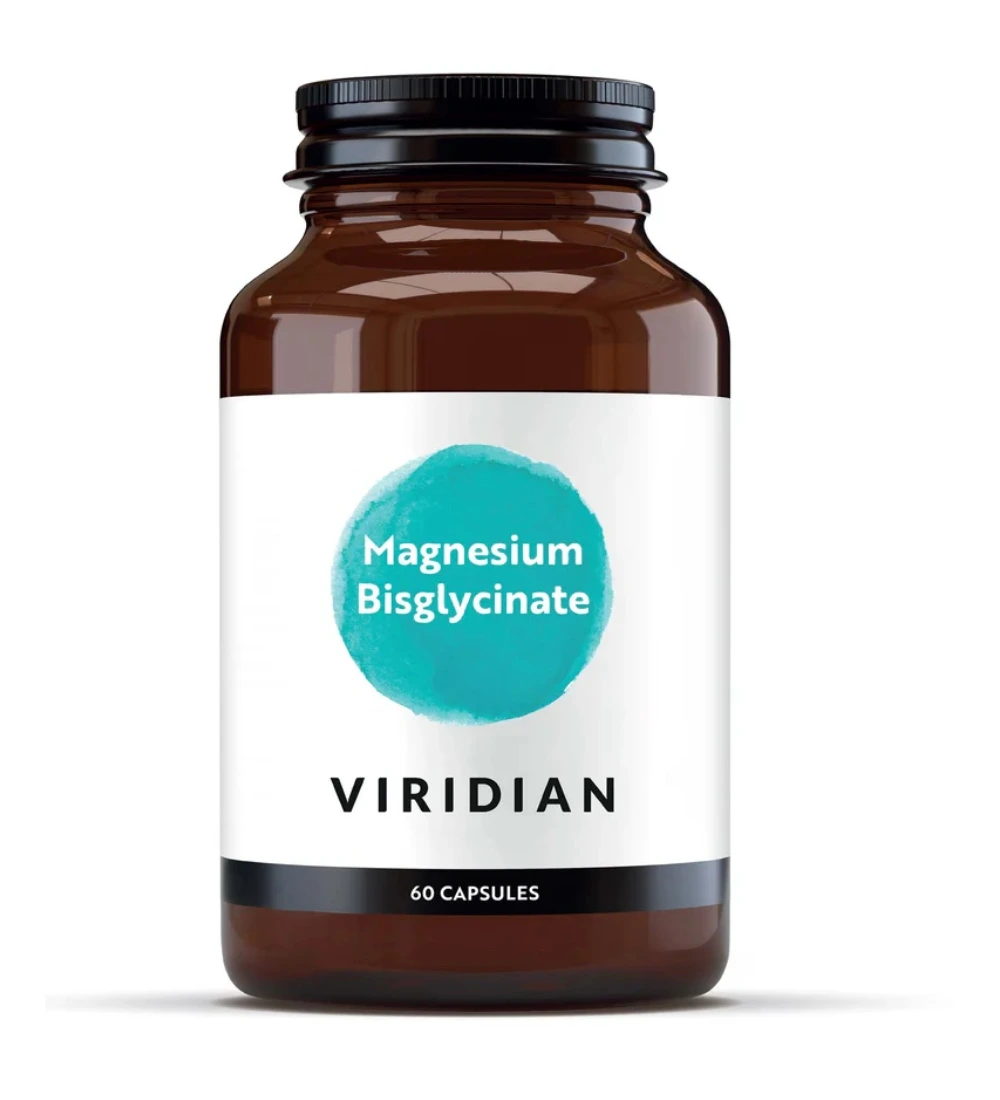
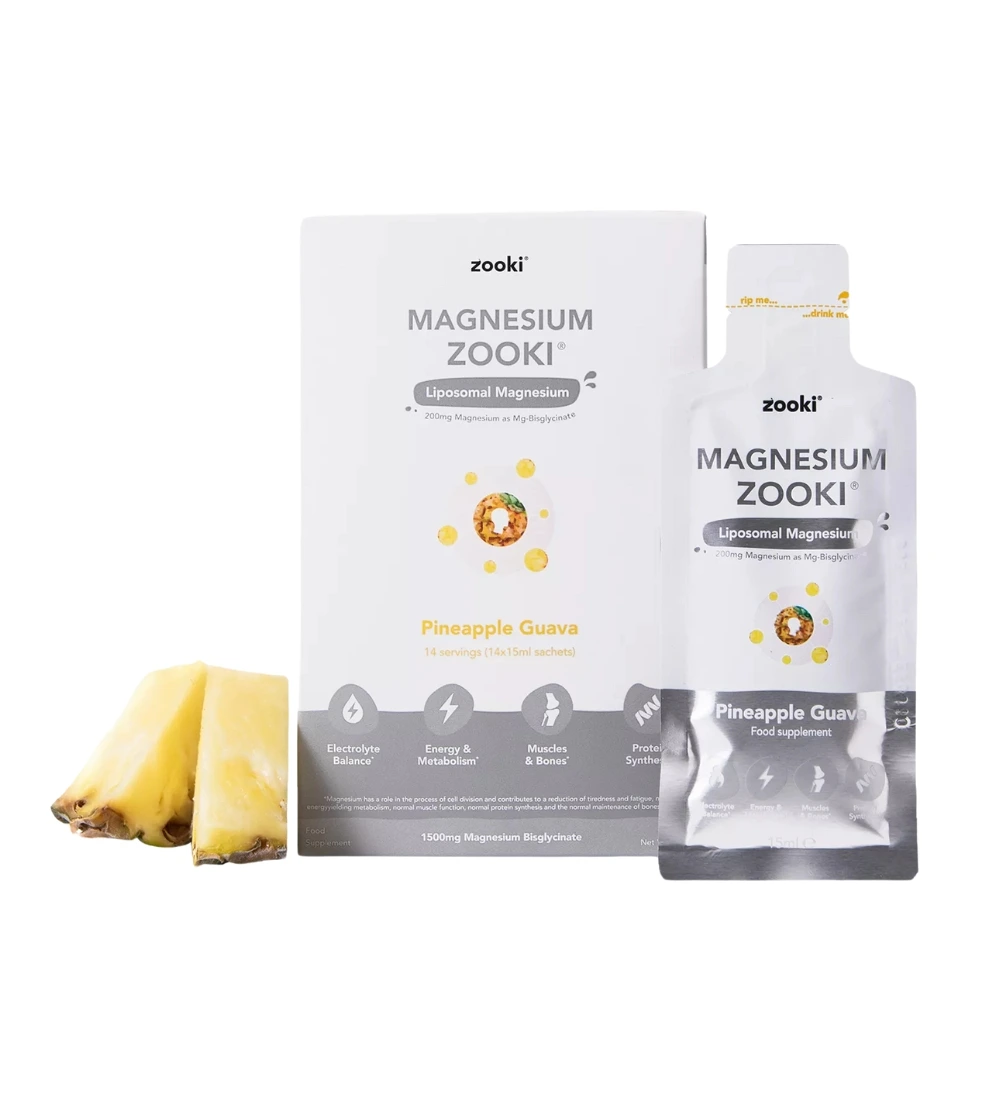
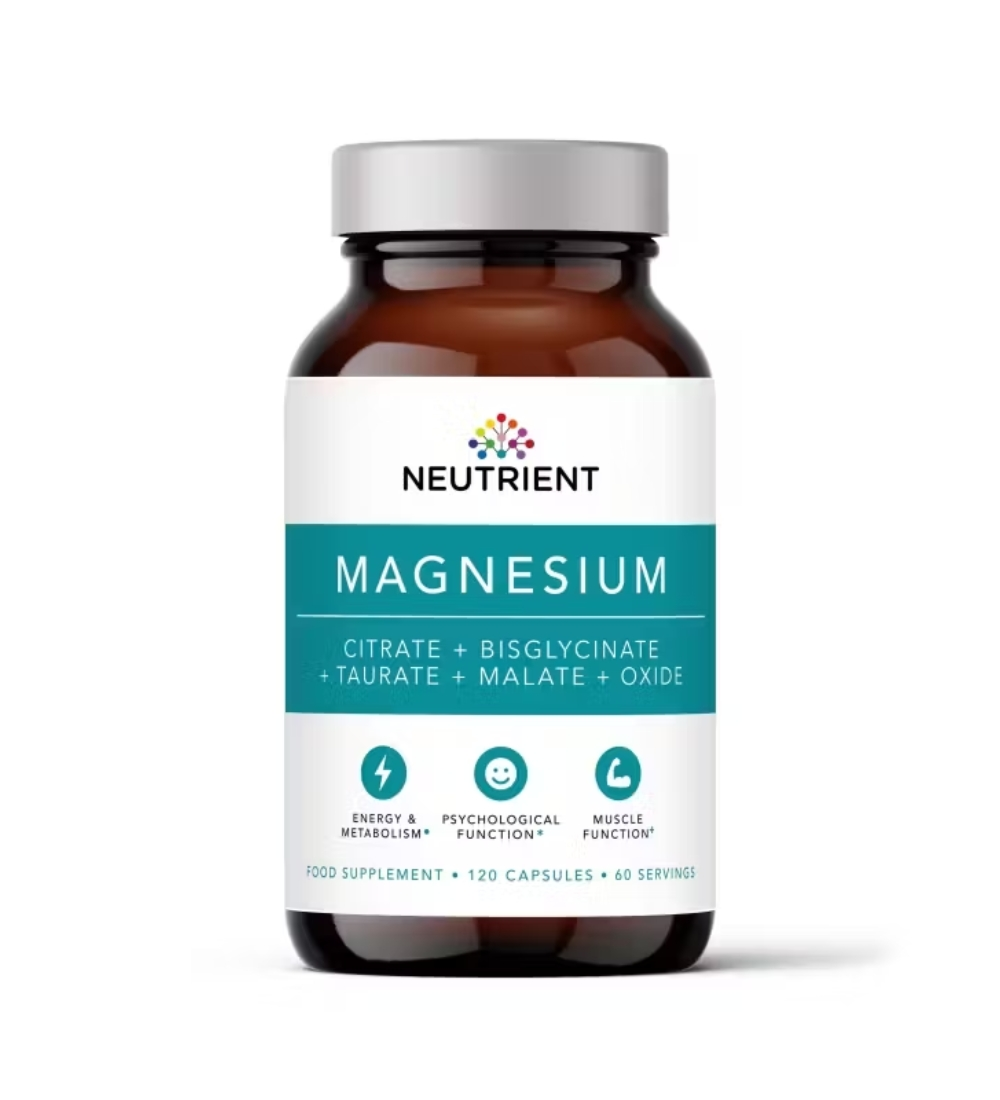
Magnesium glycinate: (and its counterpart magnesium bisglycinate)
Formed by combining magnesium with glycine — an amino acid that also acts as a calming neurotransmitter.
Good for
- Is said to support sleep and relaxation.
- Considered gold standard when looking for magnesium.
- Supports stress and anxiety reduction.
- Gentle on the stomach.
Find it in
Magnesium malate
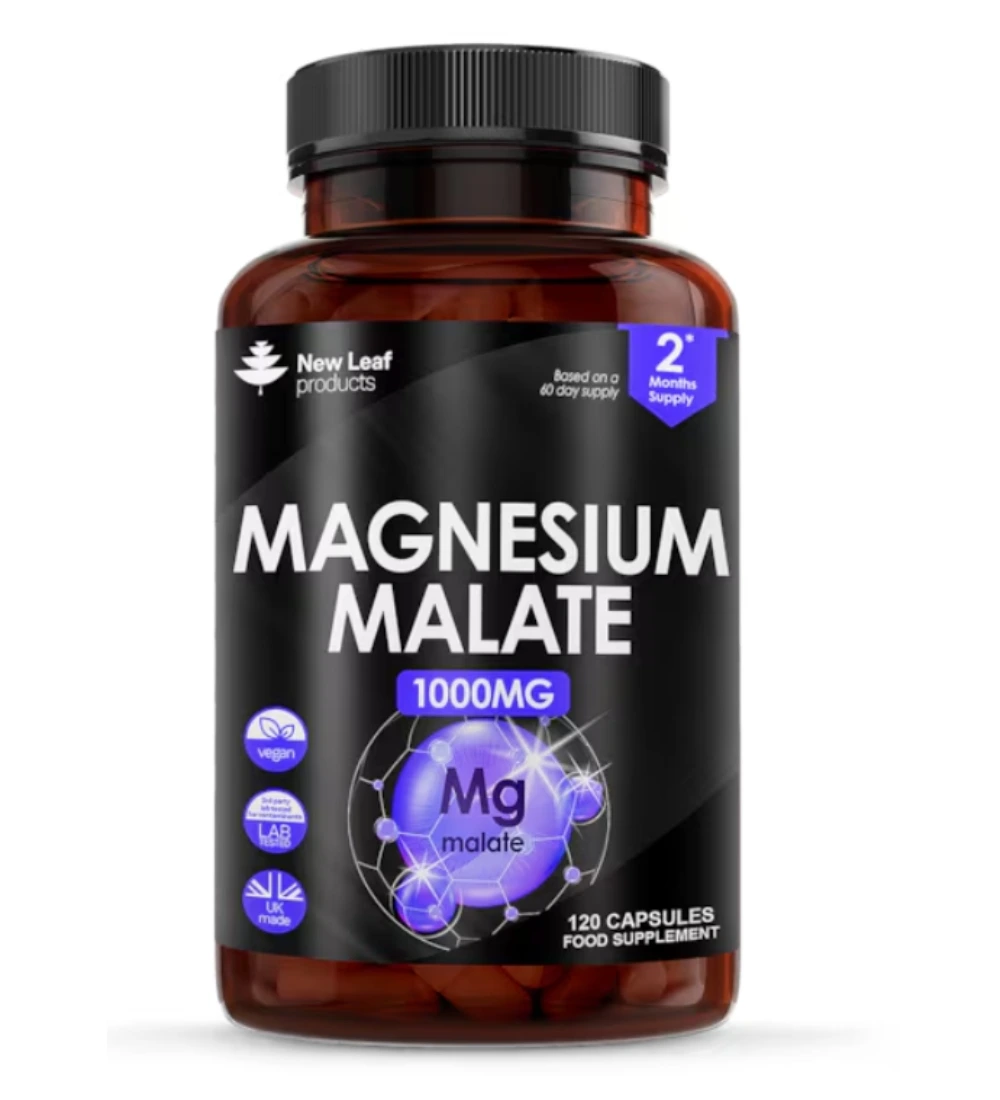
A combination of magnesium and malic acid.
Good for
- Supporting energy production
- May help with fibromyalgia and muscle pain
- Mild laxative effect
Find it in
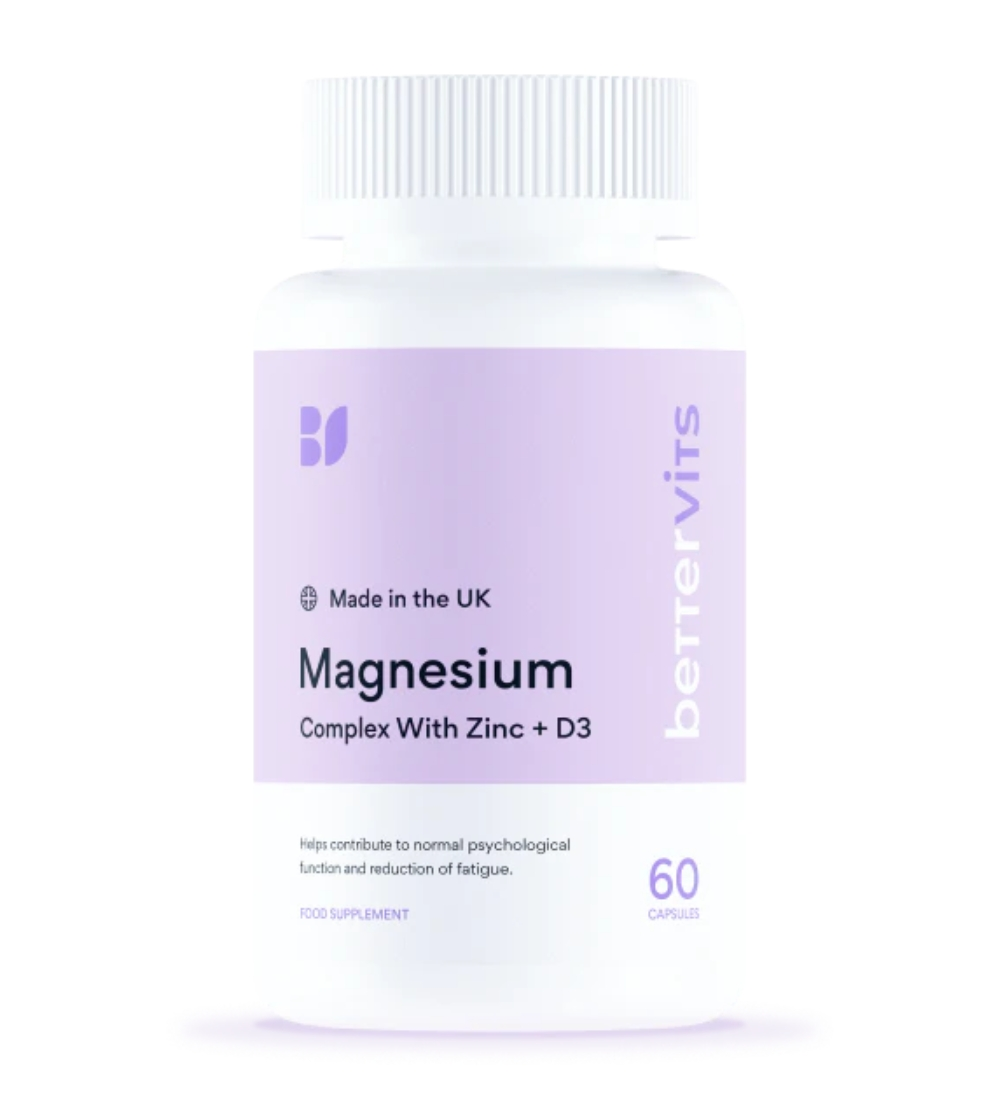
Magnesium Sulphate
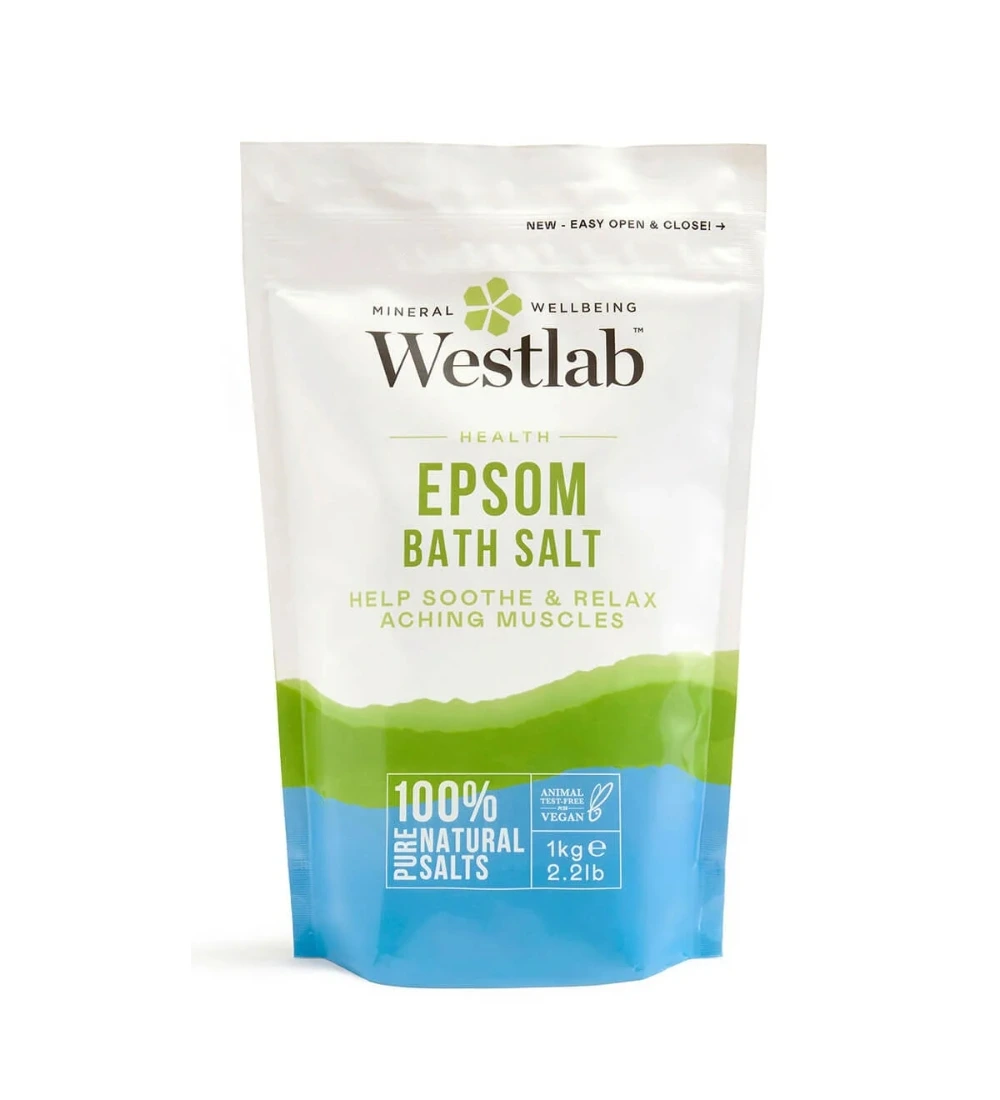
It’s combination of magnesium with sulphuric acid, also known as Epsom salts
Good for
- Commonly used in the bath as they’re thought to help soothe aching muscles and ease tension.
Find it in

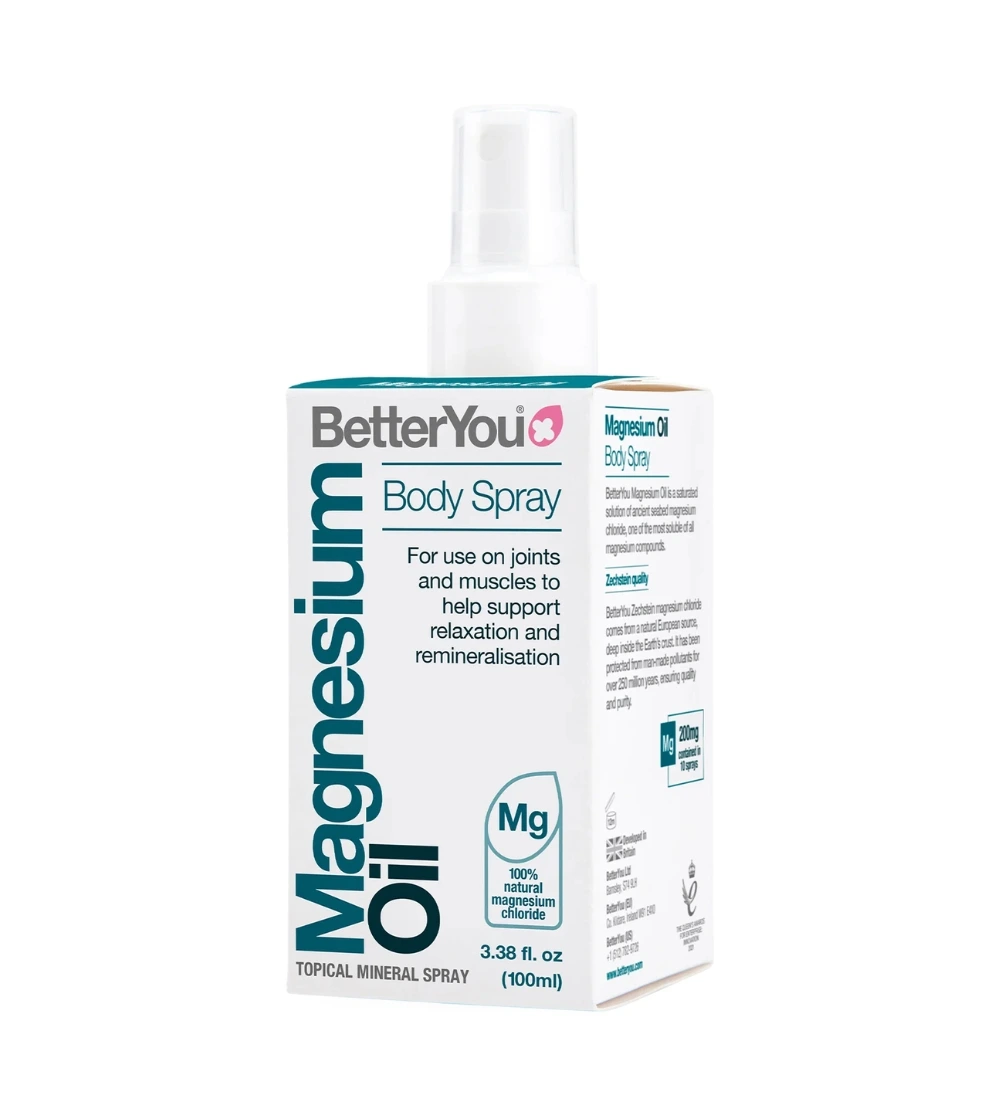
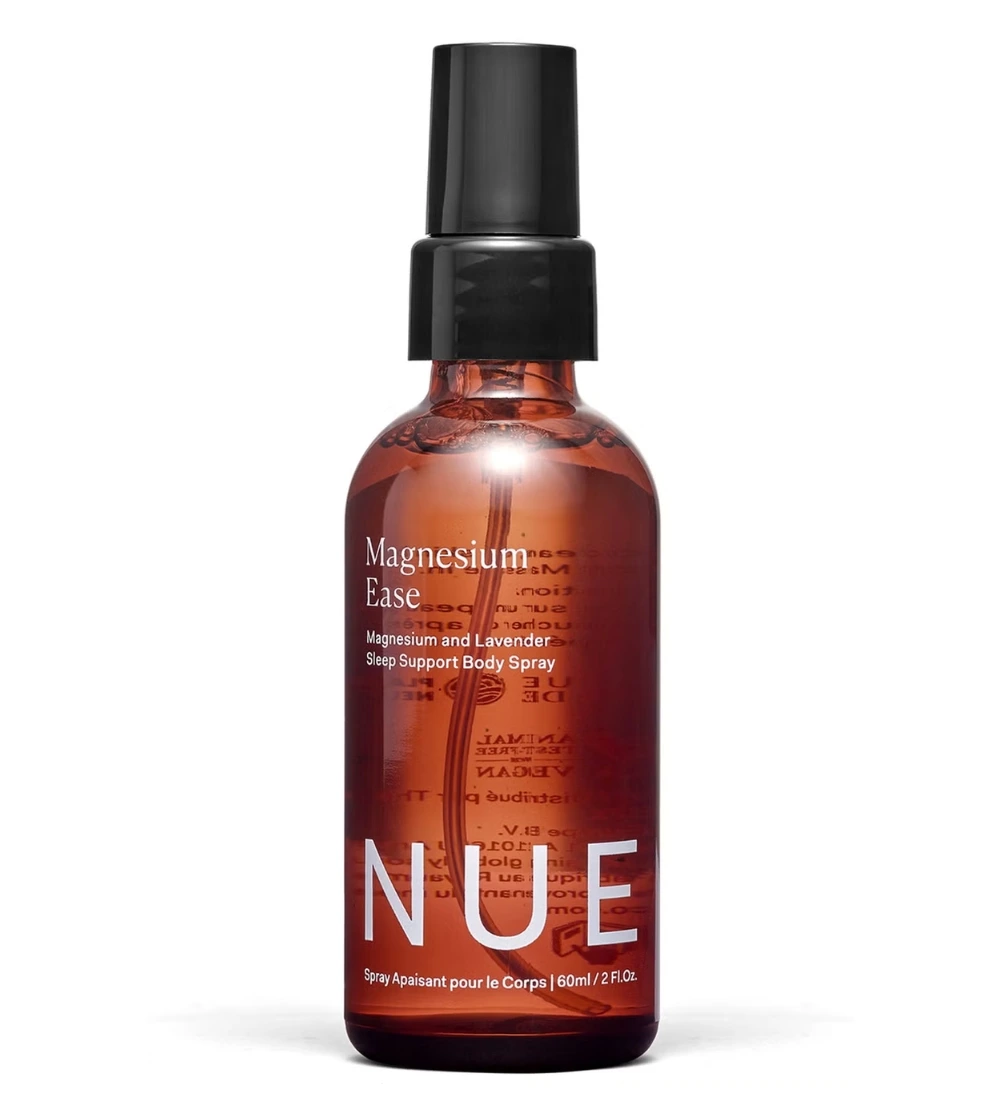
Magnesium Chloride
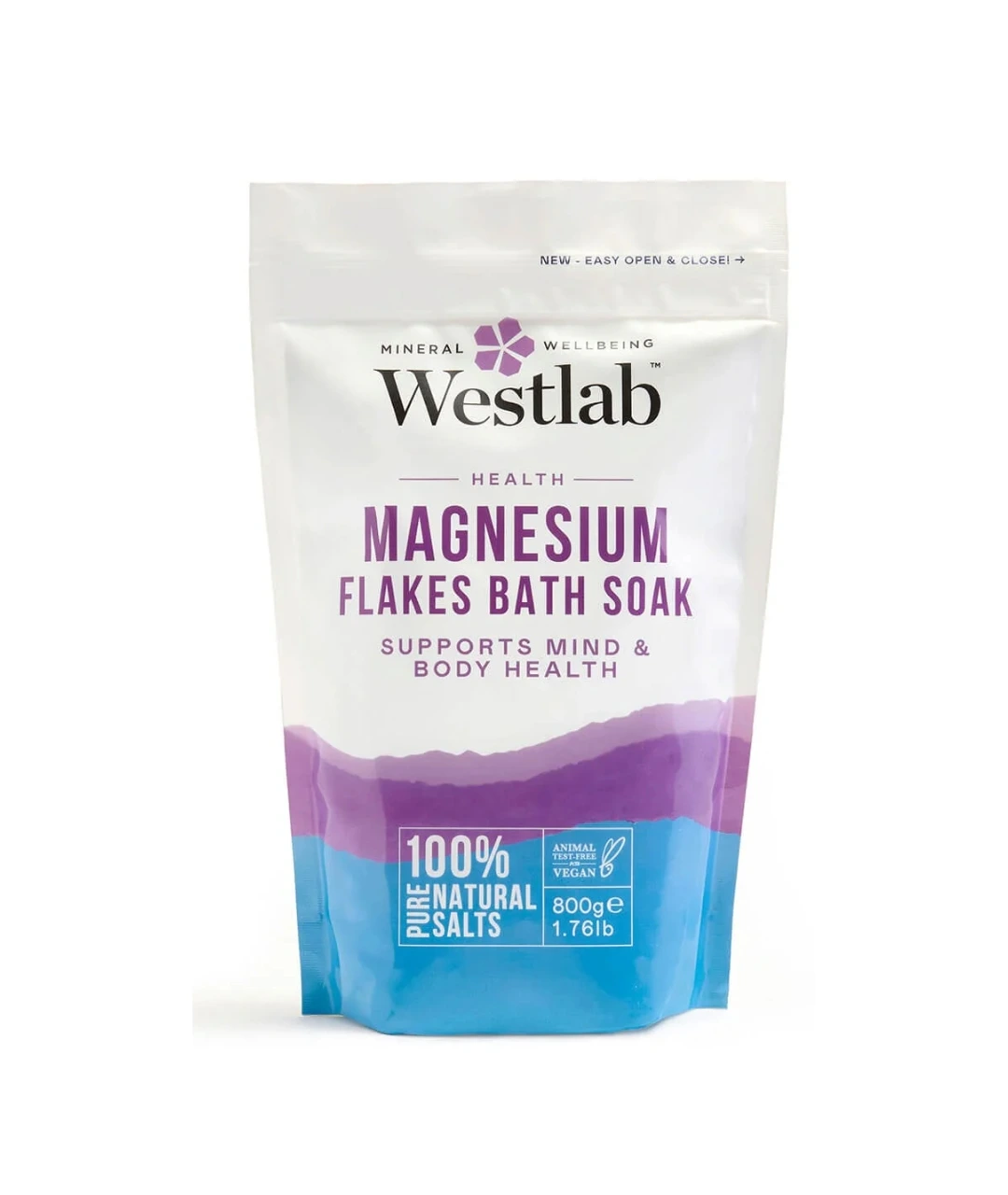
Magnesium bound to hydrochloric acid.
Good for
- It’s said to potentially support blood sugar levels, sleep quality and mood.
- Can be taken as tablets, sprays or creams.
Find it in
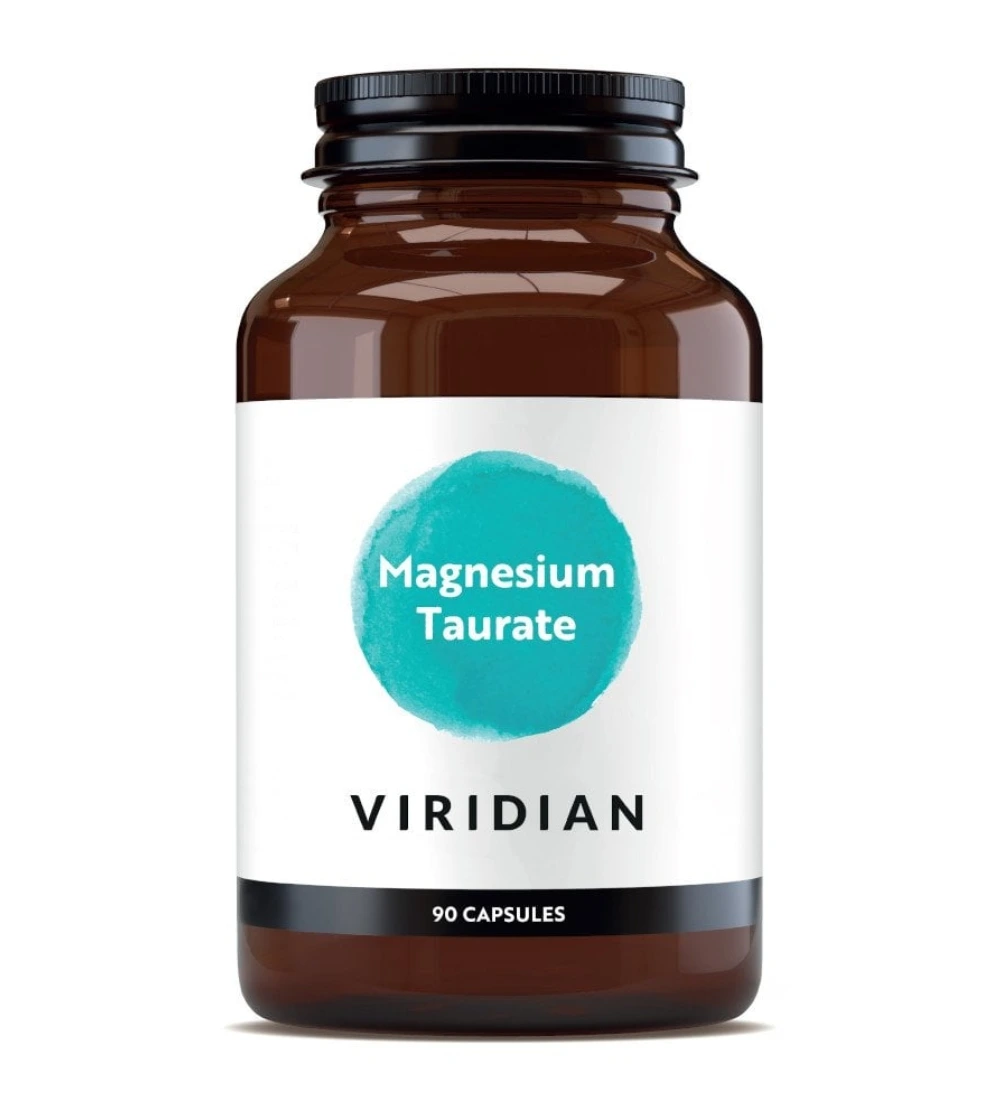
Magnesium Acetyl Taurate
Made from magnesium and a form of amino acid taurine.
Good for
- May have neuroprotective properties and prevent brain tissue damage.
- May naturally reduce anxiety.
Find it in
Magnesium L-Threonate
One of the most bioavailable forms — known for its ability to cross the blood-brain barrier.
Good for
It’s common to see magnesium products that mix different forms: each one brings something unique to the table, so combining them can boost their overall impact. “Combining three types of magnesium (magnesium glycinate, citrate, and malate) offers a well-rounded approach to support both body and mind. When combined, these three forms of magnesium create a synergistic blend that targets multiple systems in the body making it a powerful choice for everyday wellbeing,” says Anna Markusson, Clinical Nutritionist at Bettervits
Avoid fillers like
- Magnesium stearate – can interfere with nutrient absorption
- Silicon dioxide – this anti-caking agent is not nutritionally beneficial and if not sourced correctly, can be contaminated with heavy metals or nanoparticles.
- Magnesium silicate – sometimes used as a bulking agent but linked to health concerns (also known as talc or baby powder)
Eat your magnesium
You can also naturally increase your magnesium levels through your diet.
The NHS recommends that men aged 19-64 get 300mg of magnesium per day and women get 270mg. To put into perspective…
- a banana: 32mg
- a cup of skimmed milk: 29.5mg
- a serving of cashews (18 nuts): 83mg
- 3 squares of 70-85% dark chocolate (30g): 68mg
Other unprocessed foods that are rich in magnesium include
- Dark leafy green vegetables like swiss chard and spinach
- Seaweed
- Nuts and seeds including pumpkin, chia and sesame seeds
- Beans and lentils
Tip: To increase absorption, take a V-vitamin complex. Vitamin B6 levels determine how much magnesium is absorbed into cells.
Magnesium really is a wonder mineral! Essential for so many of our body’s daily functions, especially when it comes to stress, sleep, and energy. Whether you choose to get your magnesium through food, supplements, or a relaxing bath soak, finding the right form for your needs can make all the difference.
As always, check in with your body and, if you’re unsure, speak with a qualified practitioner before starting a new supplement. A little bit of magnesium support might just be the missing piece in your wellness puzzle.









Leave A Comment