

Reading this on your phone? Chances are, you’re already being exposed to blue light. We all know about the importance of using sunscreen to protect against UV rays, but in this digital world, there’s another kind of light that’s around us: blue light. We spend hours watching screens, scrolling, streaming. The average adult spends over 6–7 hours per day on screens… that’s a lot of blue light exposure. These can be leaving a mark on our skin, stress our eyes and disrupt our sleep.
Emma Coleman, Senior Magnitone Ambassador, Clinic Director and Dermatology Nurse – “While blue light from the sun remains the main source of exposure, increasing screen time has raised concerns about its impact on skin health. Research suggests that prolonged blue light exposure may contribute to oxidative stress in the skin, leading to pigmentation changes, dullness, and accelerated signs of ageing over time. Protecting the skin with antioxidants and broad-spectrum sunscreen can help minimise these effects.”
What is blue light and why does it matter?

Blue light (also called HEV light – High Energy Visible light) is a short wavelength light that’s naturally found in sunlight but is also emitted from digital devices and LED lighting.
It doesn’t burn your skin like UV rays, but it can cause some issues when you have prolonged exposure, including:
- Blue light generates free radicals, which cause oxidative stress and can lead to premature ageing.
- Long term exposure can lead to skin feeling more sensitive and dehydrated due to barrier damage.
- It can disrupt your sleep – it suppresses melatonin, our ‘sleep hormone’.
Lifestyle Tweaks to reduce blue light exposure
The way you use technology can make a big difference, even a small changes can help you in your everyday life.
- Follow the 20-20-20 rule: Every 20 minutes, look at something 20 feet away for 20 seconds — good for eyes and skin breaks.
- Switch off those screens an hour before bed to allow your melatonin levels to rebalance.
- Use the ‘night mode’ on your phone. Many devices these days have a warm light filter you can schedule to start in the evening – or even one that turns your screen black and white.
- Reduce oxidative stress by eating an antioxidant rich diet of berries, leafy greens, nuts and green tea, helping to fight free radical damage from the inside out.
How Blue Light affects your eyes
Prolonged blue light exposure isn’t great for the eyes. It may contribute to:
- Digital eye strain – this can lead to dryness, blurred vision, headaches and even fatigue.
- It may play a role in age-related eye changes.
Protect your eyes by…
- Regularly following the 20-20-20 rule as mentioned above, to help rest your eyes.
- Use night mode on your phone to reduce harsh blue tones.
- Try blue light glasses or screen protectors if you’re on a screen all day.
- Keep your eyes hydrated with eye drops.
Best Skincare ingredients for Blue Light protection
Skincare can be your best friend when it comes to defending your skin against blue light stress.
“Blue light, particularly from digital devices and LED lighting, penetrates deeper into the skin than UVB. While its impact is less intense than UV rays, chronic exposure can contribute to oxidative stress, which accelerates skin ageing by breaking down collagen and elastin. It may also disrupt the skin barrier, leading to increased sensitivity and pigmentation in some people. Using antioxidant-rich skincare (vitamin C, niacinamide) and broad-spectrum SPF can help counteract these effects,” says Dermatologist, Dr Emil Henningsen.
Look for:
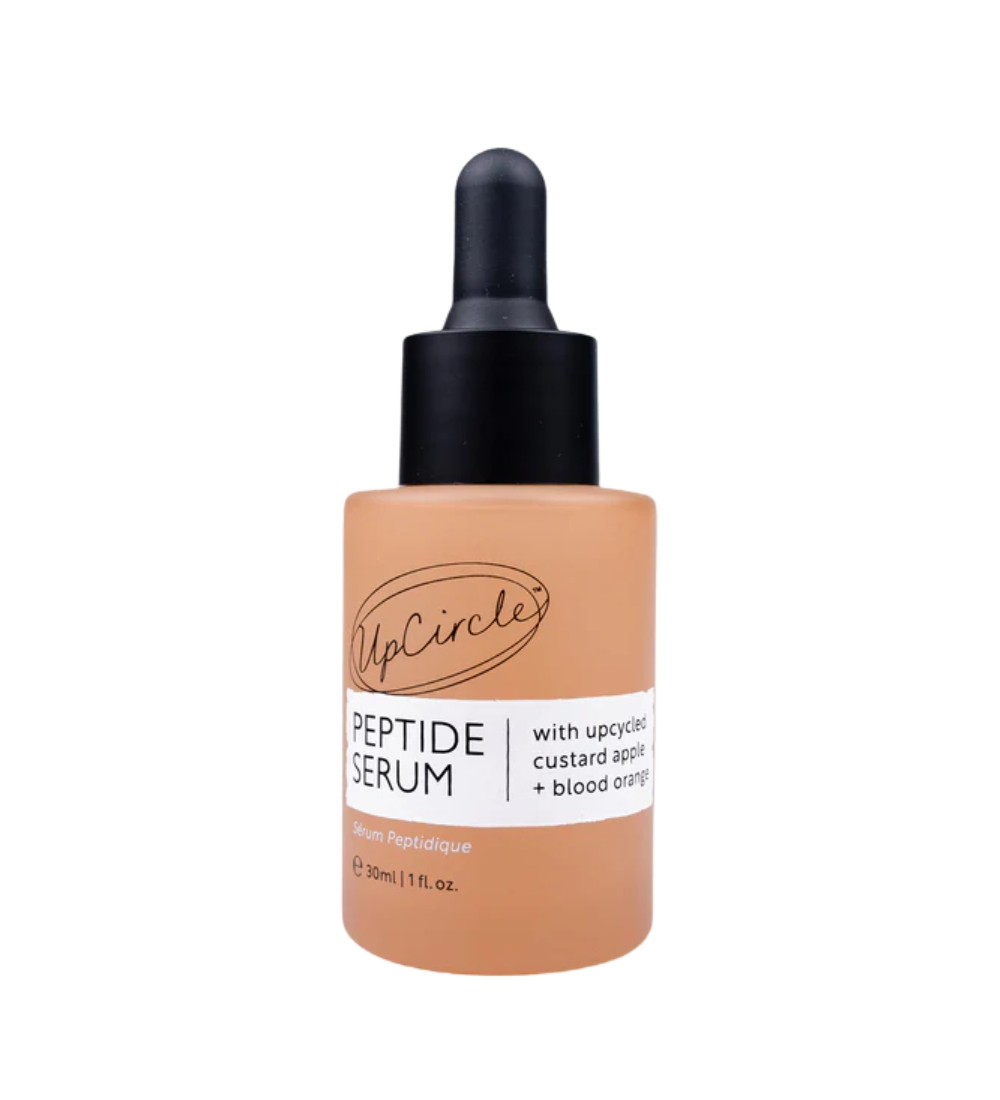
- Barrier boosting skincare such as ceramides, peptides and hyaluronic acid. These help to strengthen your skin’s natural shield and protect against blue light skin damage.
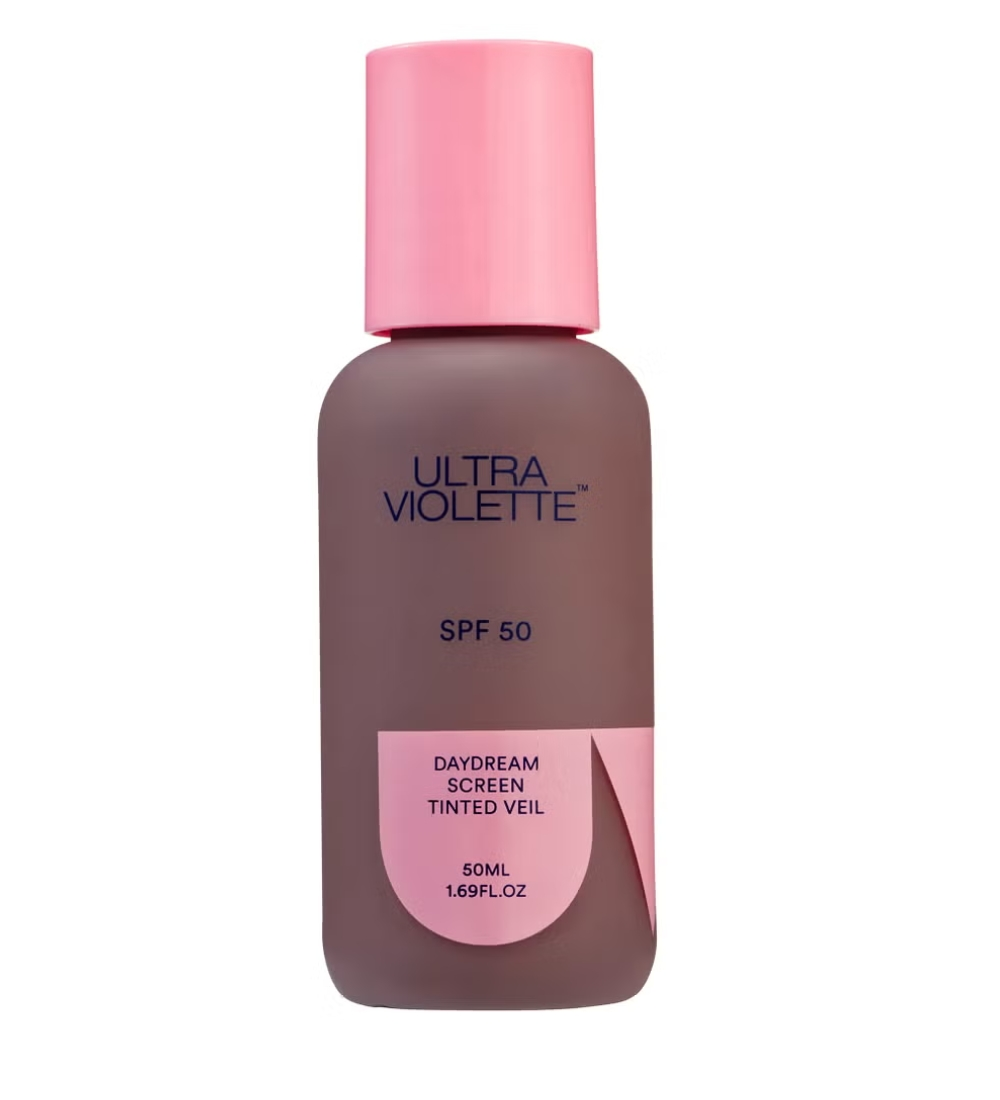
- Tinted and mineral sunscreens with iron oxides can offer some extra protection against visible light.
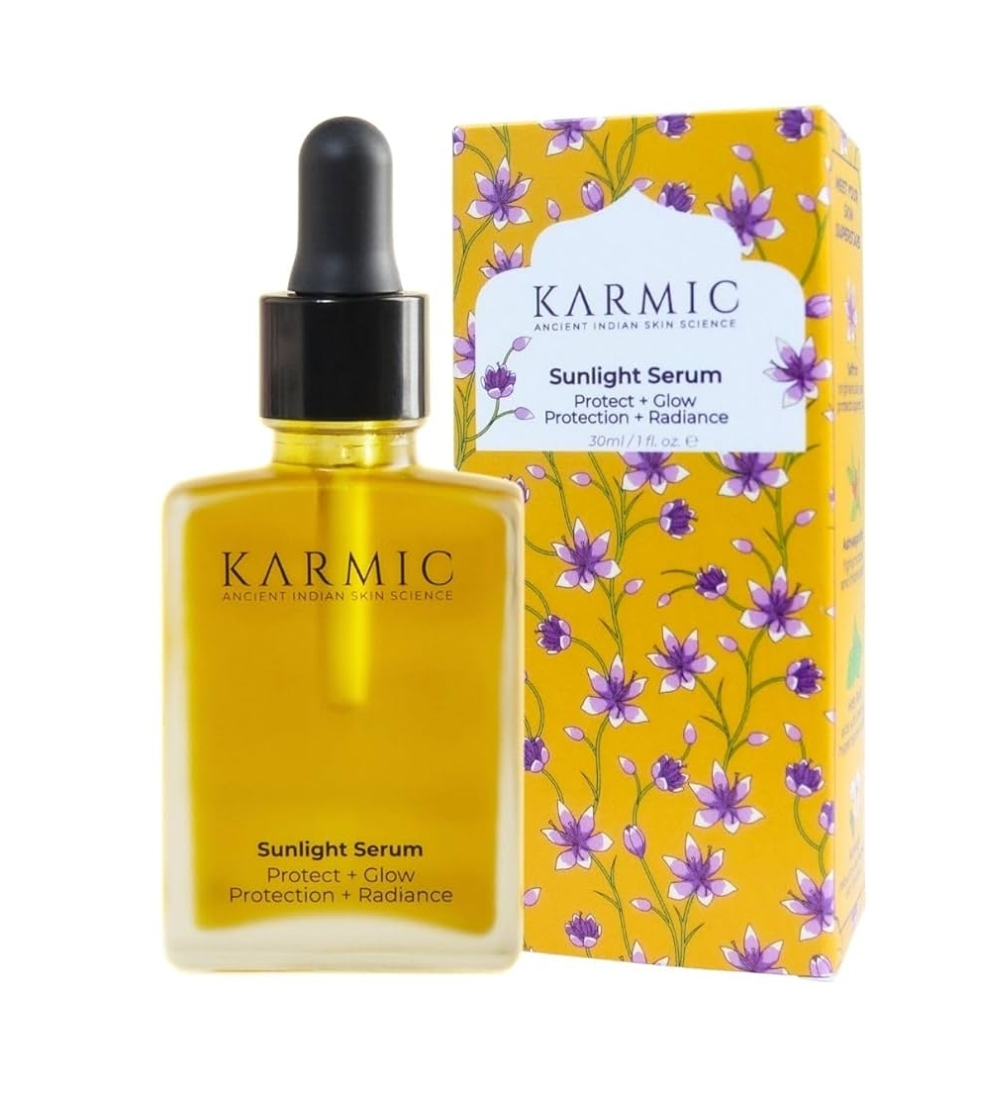
- Antioxidants are a must – look for vitamin c, niacinamide, resveratrol, and green tea extracts as they are powerful neutralisers of free radical damage.
Here are some of the best products for blue light exposure:


Tech to enhance your blue light protection
Be smart with your tech and look for small changes that can make a big difference, like:
- Use built in blue light filters on your devices like your phones, laptops and tablets
- Use protective screen covers – you can attach this to your screens to reduce the blue light
- You can even get glasses with blue light protection built in
- Swap harsh LED bulbs for warmer tones
- Try apps that regulate blue light intensity like Twilight or f.lux.
Myth Busting… If Blue Light is bad, why do LED Masks use it?

Everyone is raving about LED skincare masks right now, including us. If you have, you might know they usually have a Blue Light setting. But we’re gonna clear this up for you: blue light in LED skincare masks isn’t the same as prolonged blue light stress from hours of screentime.
LED skincare masks use a precise 415 nm wavelength, which has been studied for its benefits and its targeted action. Exposure is targeted, only 10-20 minutes a few times a week, rather than the constant low-level exposure we get from phones, which is what is causing the issues. Also, LED masks tend to combine blue light with red or near-infrared for added collagen support and healing
Blue light exposure can affect both skin and eyes, but it’s not about completely ditching your screens, it’s about bringing back some balance and protection.
(*PR gift/sample)
May contain affiliate links







Leave A Comment