
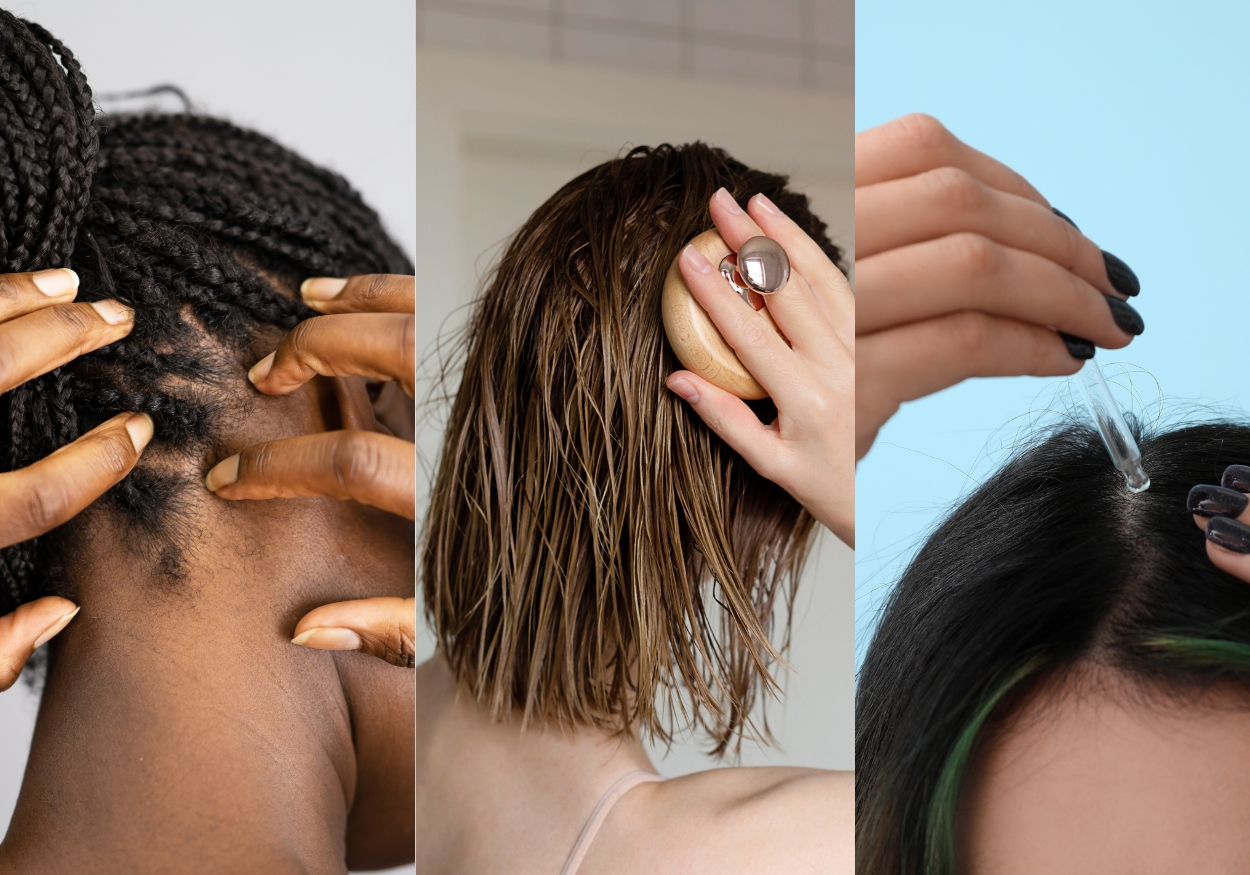
Does your scalp get greasy just a day after washing your hair? You’re not alone!
Greasy hair and an oily scalp are common issues many people face. While scalp oil is natural and necessary for hair health, too much can leave your hair looking greasy and your scalp feeling uncomfortable…eeek!
What Causes Greasy Hair and an Oily Scalp
An oily scalp can be caused by various factors, including skin conditions like dermatitis, eczema, and psoriasis, which lead to irritation and excess oil production
“The scalp constantly produces sebum – each hair strand has its own oil-producing gland called a sebaceous gland. This gives the hair and scalp its natural lubrication and protection. However certain things can cause this gland to over-produce and the result is greasy hair. Puberty and hormones are a major cause of this, but also simple things can exacerbate this, such as junk food or foods high in fats, not shampooing the hair frequently enough, overstimulation of the scalp during shampooing, using water that is too hot.
Contrary to popular belief, you do not need a strong stripping shampoo but rather a mild one and use more frequently with cooler water using the palms to clean the scalp rather than vigorous scrubbing. With greasy hair, treat the scalp with a shampoo but treat the ends with a conditioner designed for dryness if that is the issue, taking care not to get this on the scalp. Try to avoid shampoos that contain oils or are rich in moisture as these can weigh the hair down and make them feel greasy. Look for ingredients such as Thymol which is an antiseptic and Thioxolone which regulates gland activity and controls excess sebum production,” says Steven Goldsworthy, director at Goldsworthy’s in Swindon and a leading Trichologist.
If you have excessive oil production, which is often the cause of acne, this can also be a factor in the oil you have on your scalp too. Your genes also play a role in how much oil your scalp produces. If oily hair runs in the family, chances are your scalp may produce more sebum than average. If you’ve got naturally thick hair too, that could make your hair oilier.
What can you do about an oily scalp?
Dealing with an oily scalp can be tricky, but there are several effective ways to manage it.
Here’s what you can do:
Wash your hair regularly to control greasy hair
It’s a fine balance—washing too frequently strips the hair of its natural oils, while not washing enough leads to build-up. Opt for a mild shampoo that gently cleanses the scalp, most of the time, but incorporate a scalp treatment into your routine to remove build-up and dead skin cells. Cooler water will also be your best friend as hot water can overstimulate the sebaceous glands, leading to excess oil production . You should also avoid getting conditioner on your scalp.
Some options include:
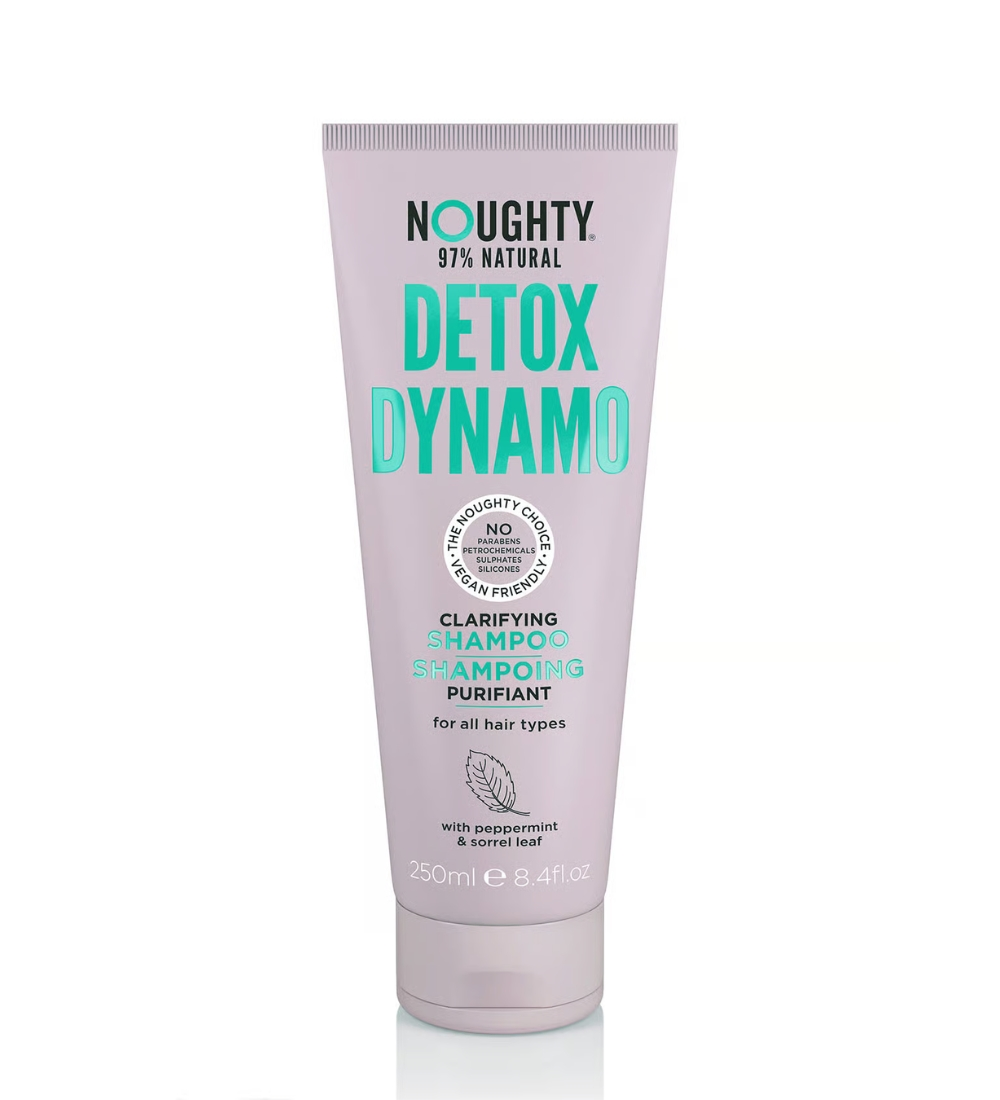
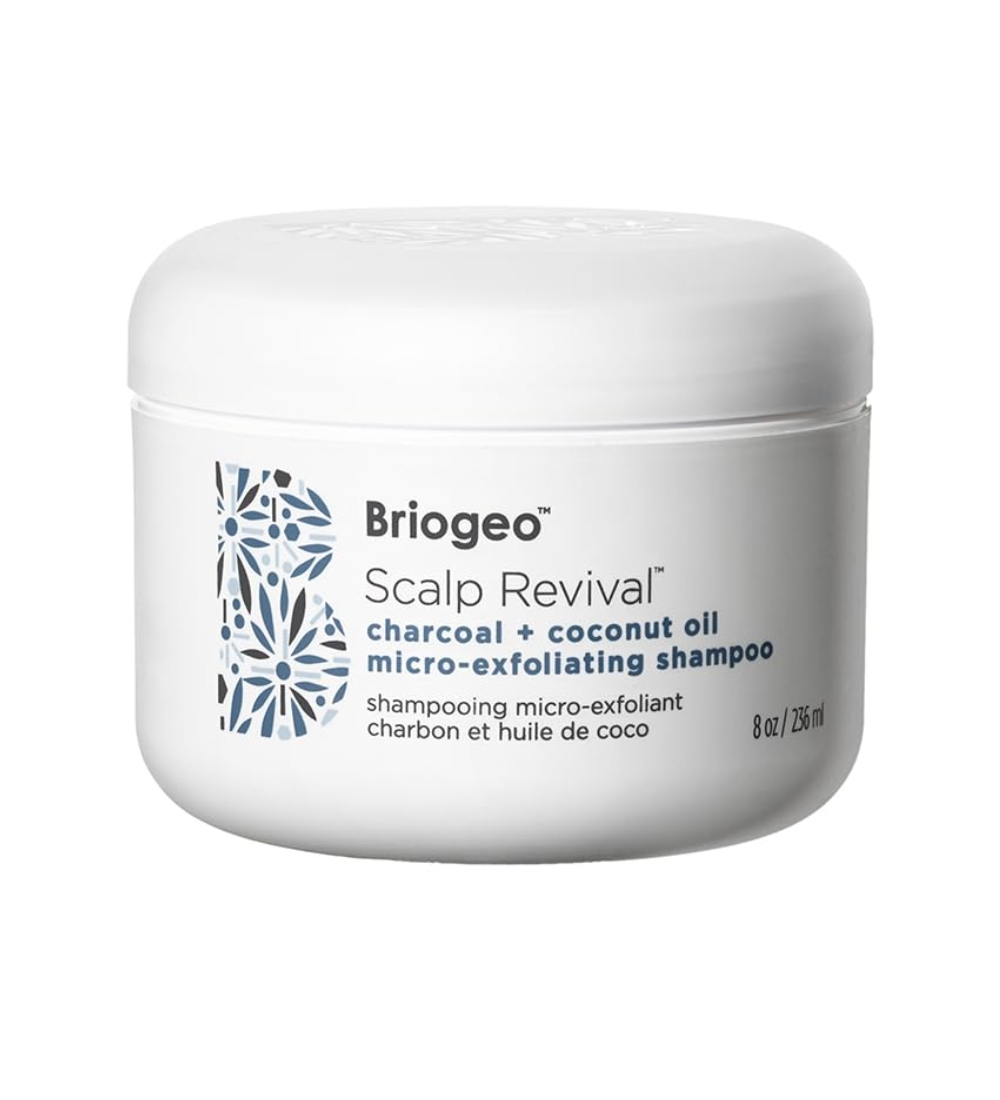
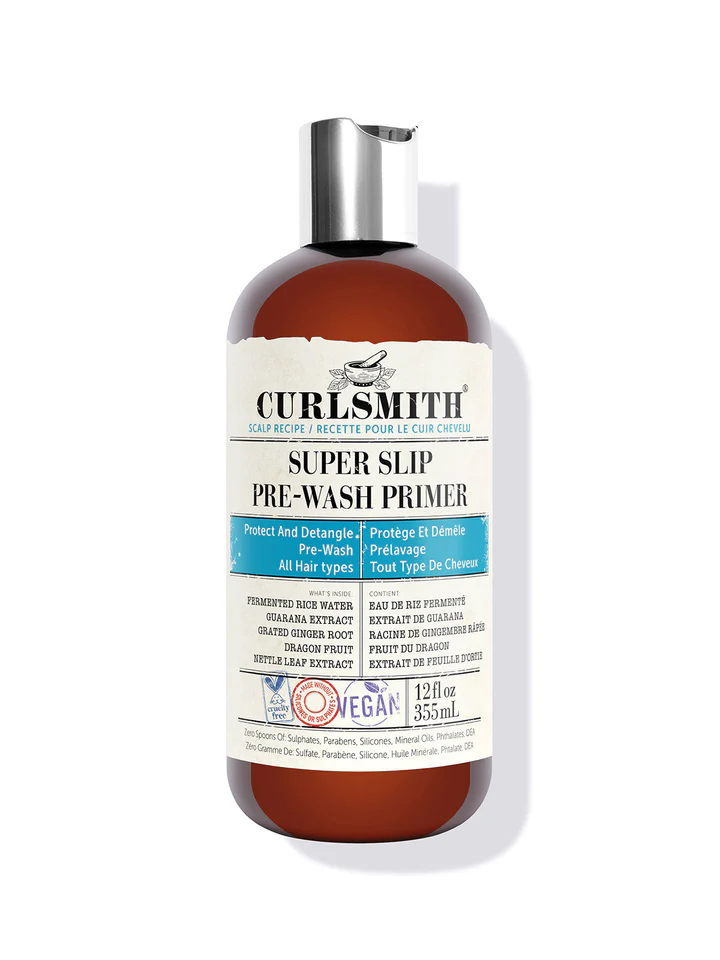
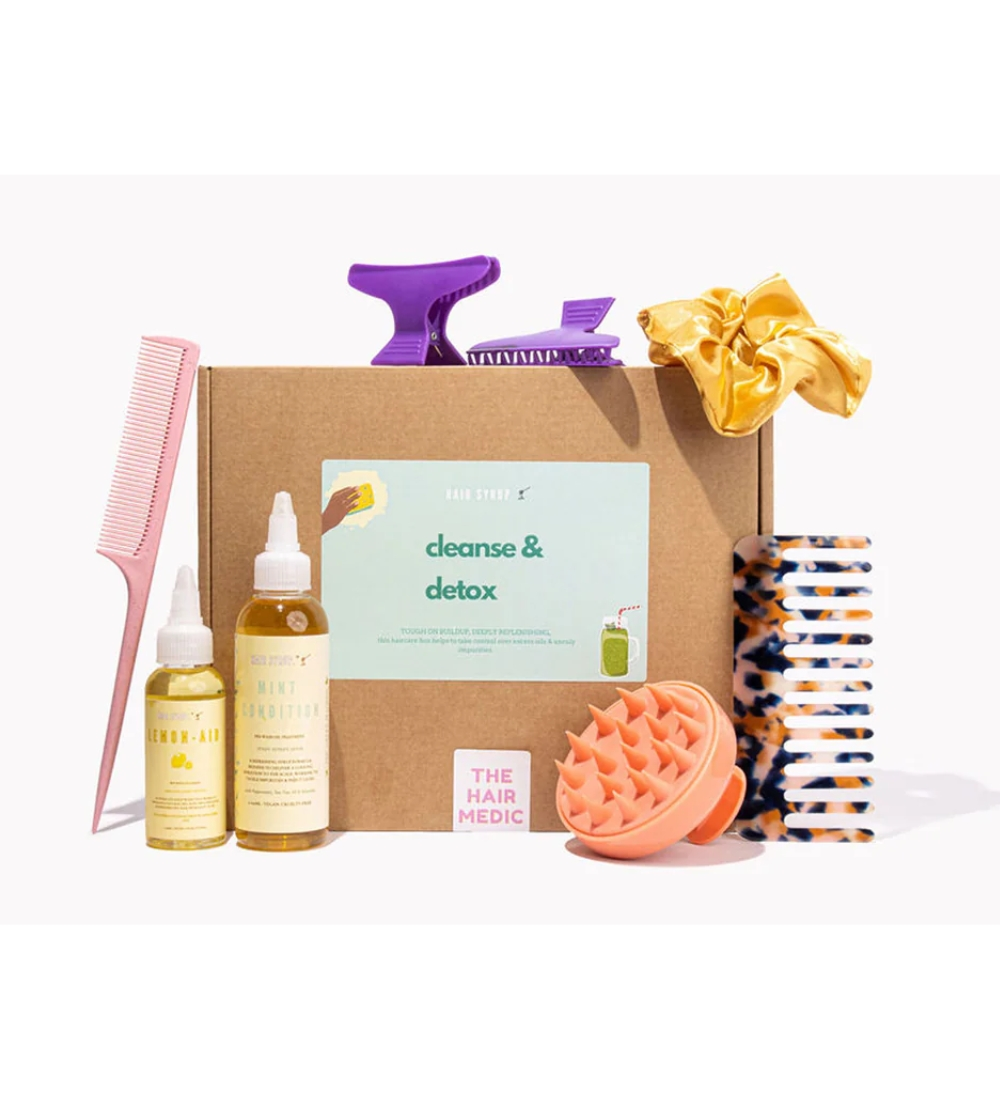

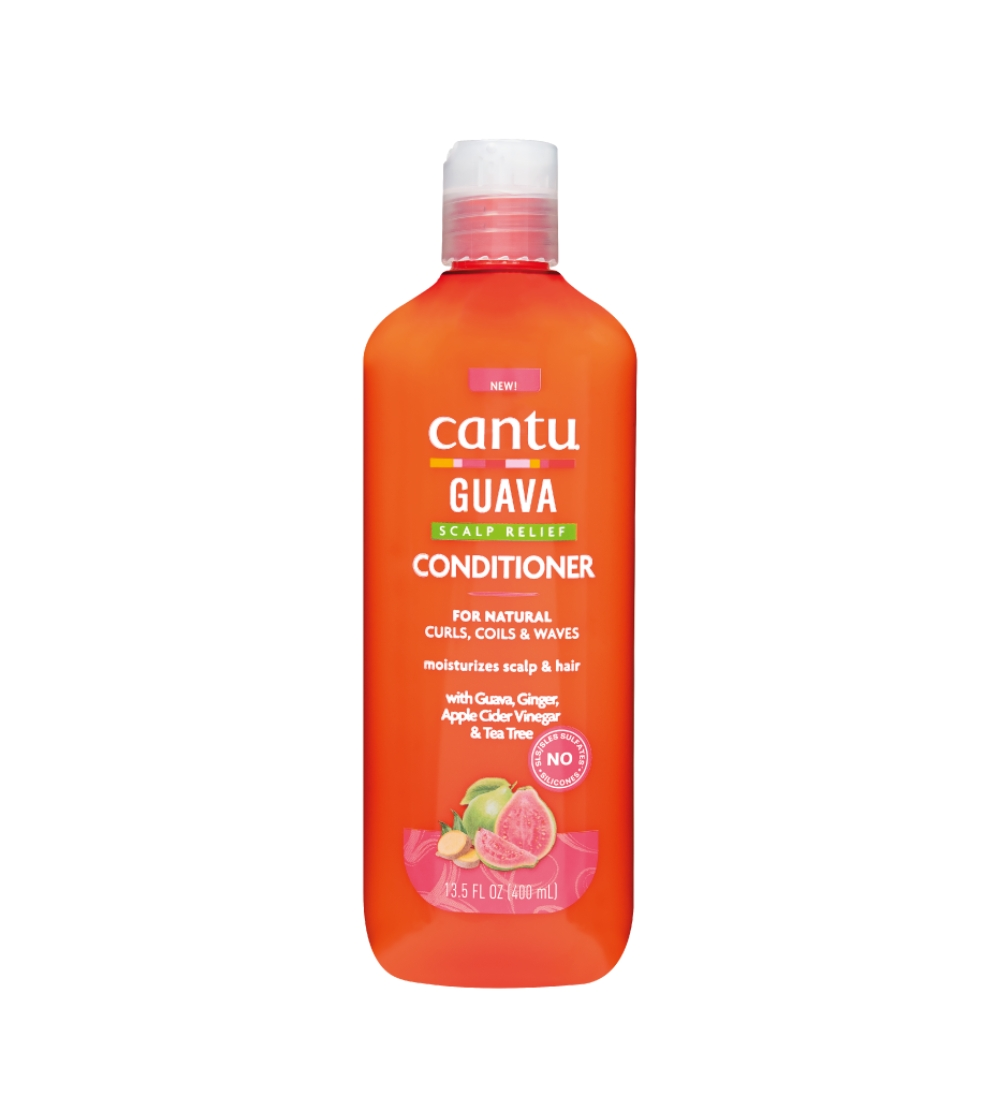
Don’t Overwash
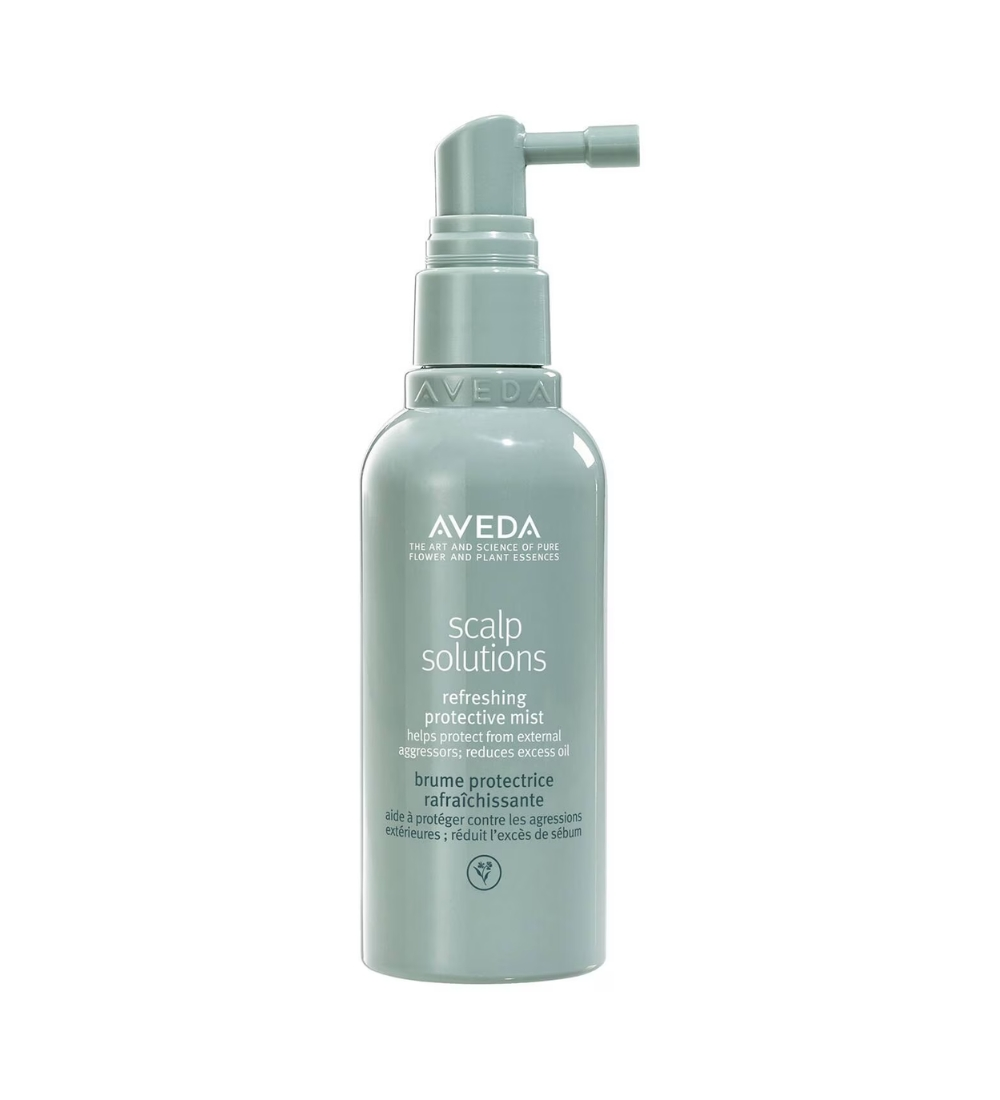
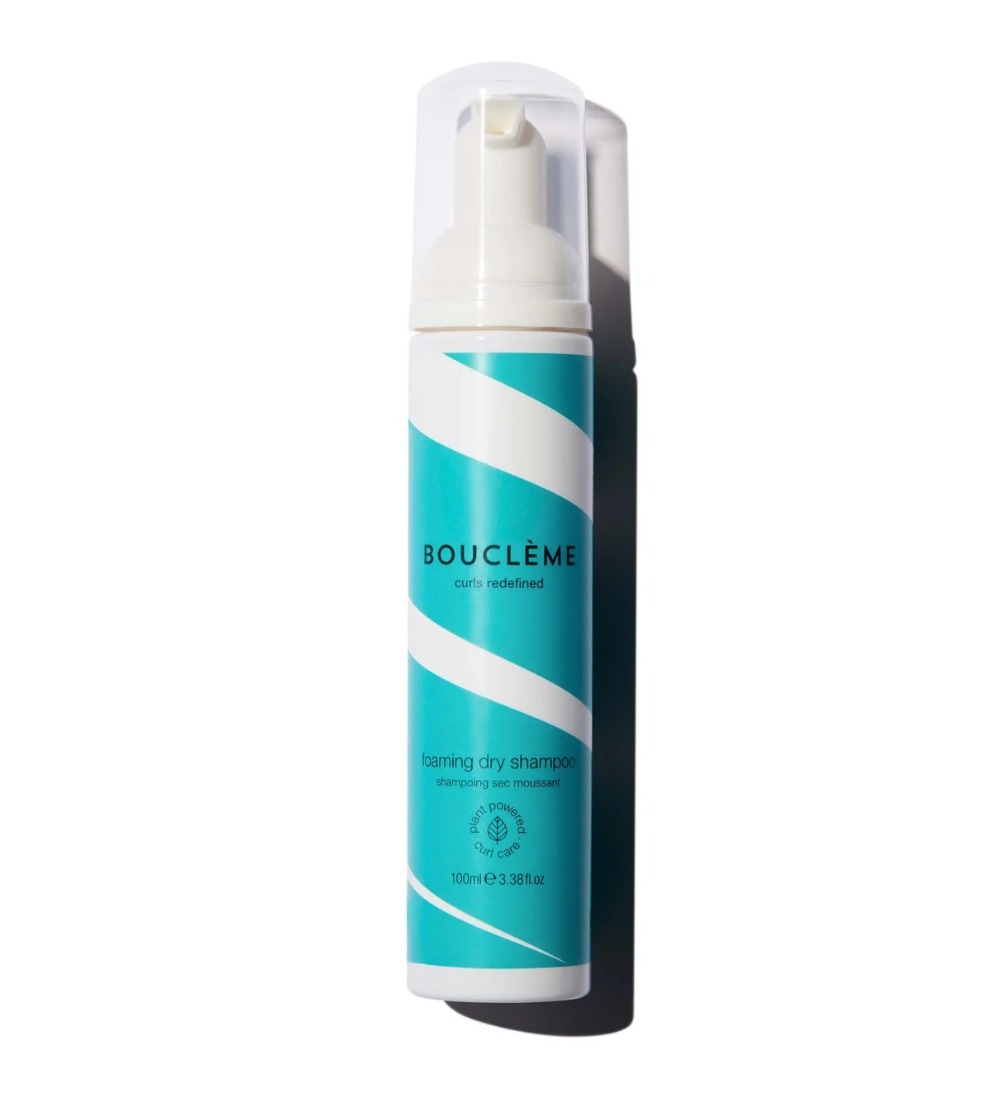
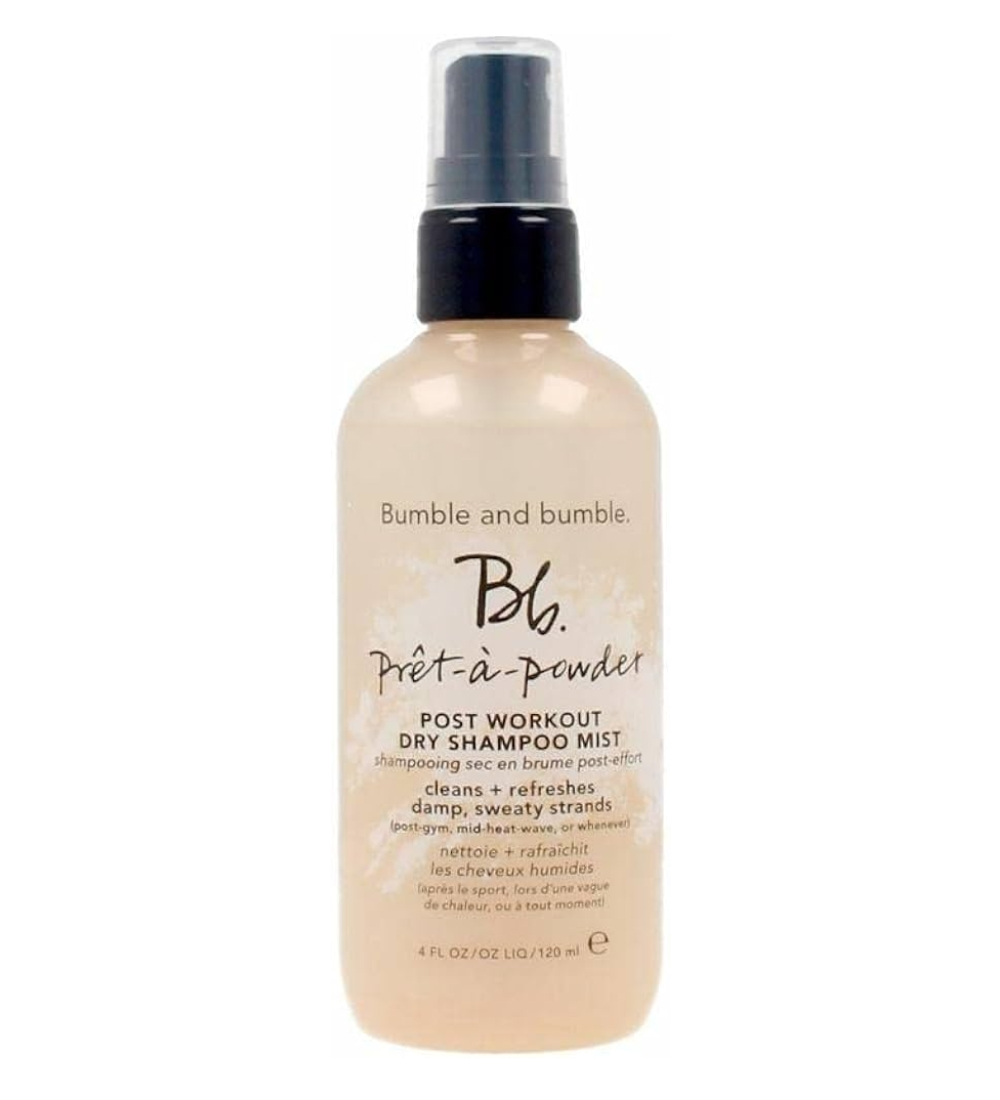
To avoid greasy hair caused by overwashing, use dry shampoo or scalp mists between washes. These products help absorb excess oil and keep your scalp fresh without washing.
Be mindful of over styling
Are you a frequent hair manipulator? Touching your hair too much or using lots of products to create styles can lead to build-up and make your hair greasier. If you want to make the time between your washes last a little longer, keep it simple and keep your hands out of your hair!
Watch what you eat
A healthy diet rich in healthy fats like omega-3 fatty acids can help regulate oil production. Try eating more fish, flaxseeds and walnuts and avoid overly processed and fatty foods.
Managing an oily scalp and greasy hair doesn’t have to be a struggle. With the right products and routine, you can keep your hair feeling fresh and clean. Remember, if you’re concerned about excessive oil production or irritation, it’s always a good idea to consult a dermatologist.






Leave A Comment