
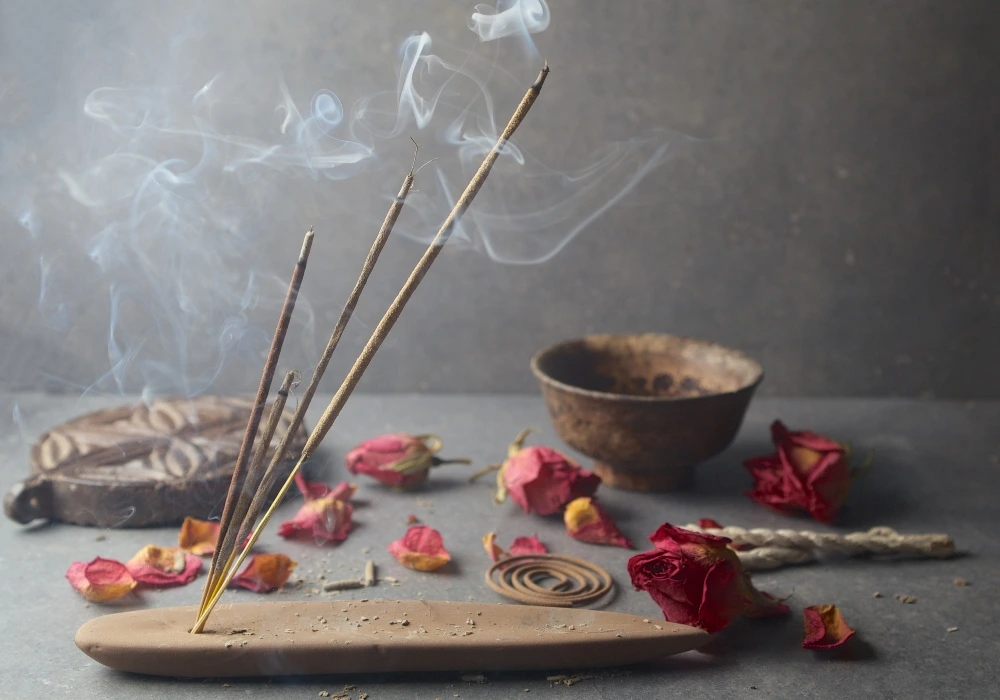
Incense has been a part of spiritual and wellbeing traditions for thousands of years.
In this guide, we’ll be exploring the different types of incense, their cultural roots, why people burn incense and how you can make it part of your own rituals. It’s all about intention, grounding and reverence.
The different types of incense and the benefits

Incense is usually made of an aromatic material that produces a scent, along with a combustible binding material that holds its shape.
Incense comes in many different forms. In order to burn incense, you first gently ignite it, then once the incense has been ignited, you gently extinguish the flame. The incense will glow and begin to product scented smoke. Here are some types:
- Stick: perfect for everyday rituals and calming energy. Look for sandalwood, lavender and rose.
- Resin (on charcoal): wonderful for spiritual practices and purification. You’ll love copal and frankincense.
- Cone: these are great for a deeper experience including meditation. Try frankincense, amber and myrrh to enhance your experience.
- Wood / chip: these are commonly used for energy clearing and grounding. Great options include palo santo, oud and cedar.
- Herbal bundles: often used in ceremonies and for energetic cleansing. Look for sage, sweetgrass and mugwort.
Why is incense so powerful?
When you light a stick, cone, or resin, you’re changing the scent of the room as well as altering the energy. It can:
- Help you to relax and unwind.
- Be used in meditation to enhance the senses and uplift the experience.
- Symbolically help you let go of stagnant or heavy energy
- Create an anchor for breath and awareness during a meditation ritual
- By using an ancestorial practice in a modern form, you’re connecting to heritage or spiritual lineage.
- It can help purify the air, leaving behind a freshness and sense of new beginning.
Choosing the right incense
When you’re selecting an incense, consider the purpose, the desired fragrance and the burning time required. Here’s a good place to start:
- Lavender – relaxing and calming, great for sleep
- Jasmine – boosts creativity and enhances self-esteem
- Sandalwood – known for its calming properties, great for meditation
- Lemongrass – aids focus and reduces fatigue
- Frankincense – enhances spiritual connection and promotes clarity
- Myrrh – encourages introspection and healing
- Palo santo – purifies energy, uplifts the spirit
How to use incense in your own rituals
The beauty of incense is a lot of the ritual comes from your own instincts and what works for you. Here are a few ways you can bring incense into your life.
- In the morning: light an incense to begin your day with intention, maybe part of your journaling ritual. Let the scent clear your mind and set the tone for the day.
- Cleanse your space: if your space is feeling heavy, open up a window and light up an incense. If you feel like it, walk around your space with the incense so it wafts gentle into all corns to gently clearing the air, both emotionally and energetically.
- Include it in your skincare ritual: a calming incense can enhance your skincare routine
- During a full moon or during a release ritual: burn resin incense and write down what you want to let go of, allowing the scent to help you release
- Include in your bath time rest: instead of using a candle, why not try an incense to help ground you.
Incense across the world
In cultures around the world, incense has long been used to mark sacred moments, uplift the spirit, and purify both people and places.
- In India, agarbatti (incense sticks) are used in prayer, to purify spaces and uplift energy. Often uses the masala method, where natural ingredients are ground into a paste and rolled into a bamboo stick, creating a rich, smoky burn.
- In the Islamis world, oud and bakhoor are used in homes to honour guests and elevate the spirit.
- In Ethiopia, frankincense is burned as part of religious ceremonies and home rituals.
- In Japan, the kodo (way of incense) ceremony considers scent a refined art form, encouraging participants to ‘listen to incense’. They have a clean burn, ingredients are finely milled and blended into a dough, then extruded into sticks or cones.
- Across Caribbean, Indigenous, and Middle Eastern cultures, burning herbs or woods like sage, oud, or palo santo is part of cleansing and spiritual connection.
Incense Tools we love
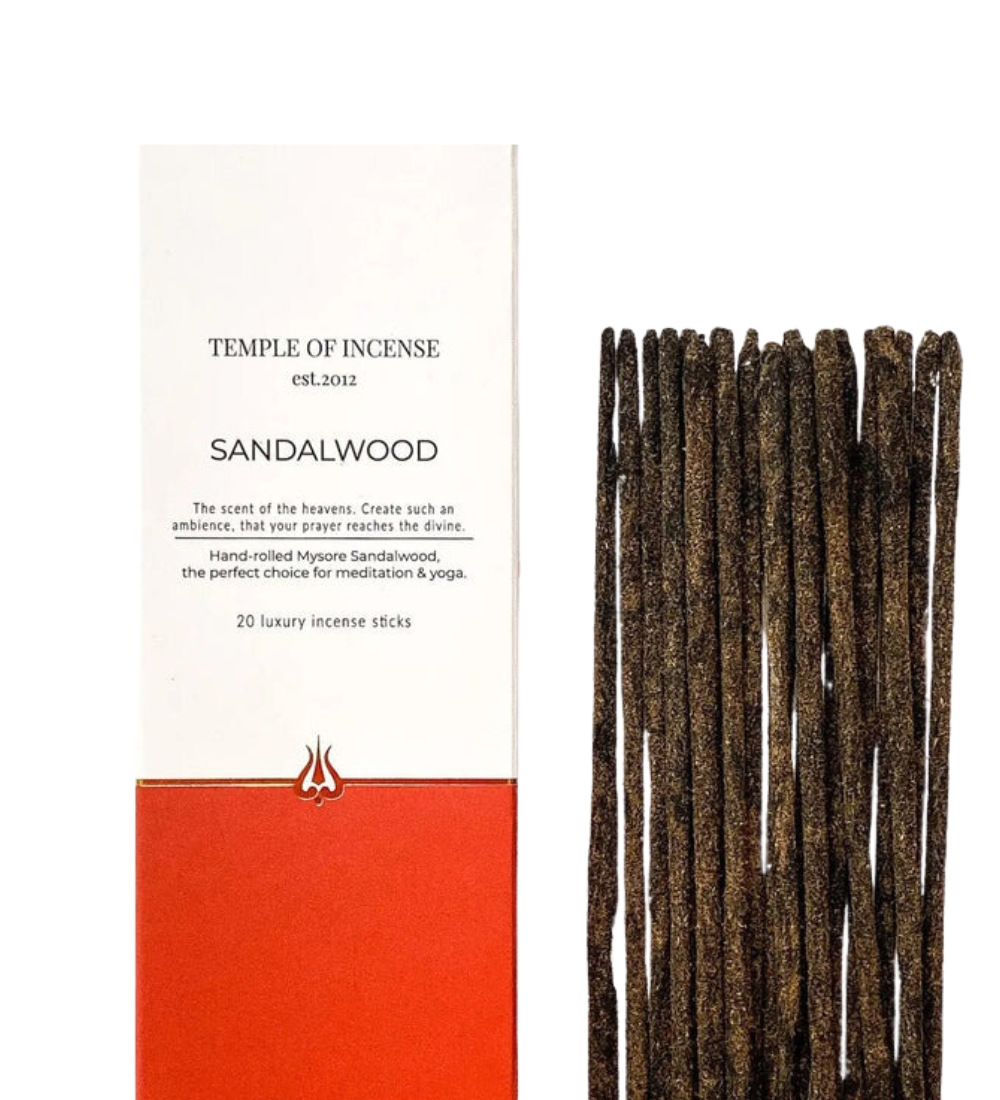
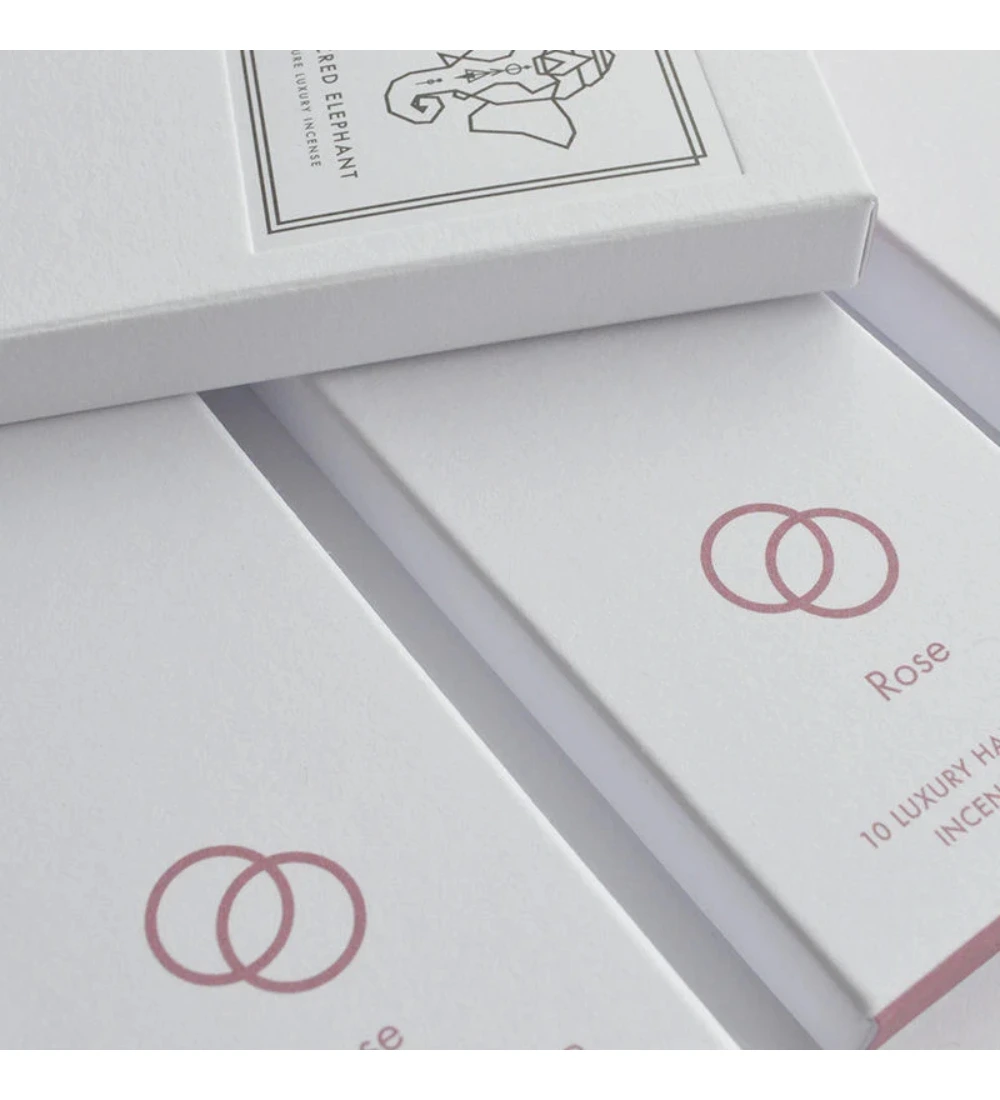


Light with intention
When you light an incense, consider pairing it with a simple intention or affirmation, such as:
- I inhale calm. I exhale all that I no longer need.
- I am releasing negativity
- Into this smoke I release all energies that do not serve, all negativities that attach, and all fears that limit
Please note: Incense is a natural fire hazard. Never leave burning incense unattended and place your incense in a burner or stand to contain the burning incense and ash.
Will you try an incense this week? Look for a scent that speaks to you, light it with care and let the incense clear your space and thoughts.
(*PR gift/sample)
May contain affiliate links

Leave A Comment