
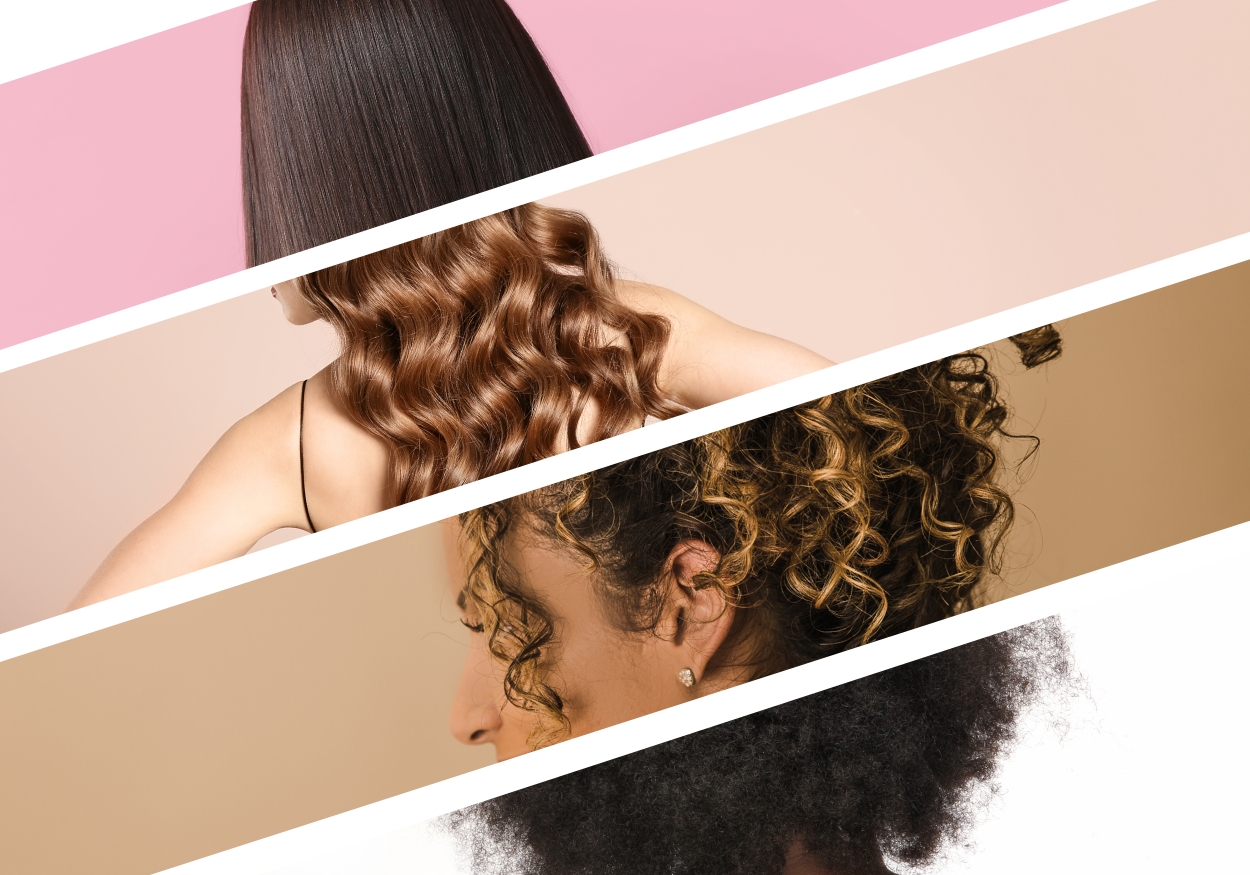
We all talk about what hair type we fall into: curly, coily, wavy, straight…. But do you know what hair porosity you have? This can also play a key factor in what products work for you.
“Porosity is the indicator of how readily moisture can penetrate the cuticle of a hair. Also described as the measurement of a hair’s ability to absorb and hold water (it can increase its weight by up to 18% by absorbing liquids), porosity is determined by the structure and condition of the hair’s cuticle,” says Noughty brand manager, Vanessa Coleman.
What is high porosity hair?
Hair porosity is talking about how well your hair can hold onto or absorb moisture. This is due to the function of the cuticle, which is the outer most layer of the hair. If this is damaged due to heat, colouring or chemical processing, it is less effective at keeping moisture in.
The 3 Types of Hair Porosity
Low porosity hair
Moisture has difficulty penetrating the hair and also have difficulty escaping the hair too. If you find your hair takes a long time to dry, it could be low porosity. It may also be more resistant to colouring. You may also notice beads of water on top of the hair strands when as moisture cannot absorb through the cuticle.
Medium porosity hair
Can accept and release moisture easily. It’s the easiest hair to manage, as products absorb well.
High porosity hair
The cuticle layer of the hair is open and has breakage. Hair dries quickly and is prone to frizz, feeling very dry.

“To determine the porosity of your hair, the best way is to ask yourself questions about what’s happened to your hair over the last 2 to 3 years. The biggest cause of porosity in hair is chemical treatments, mainly lightening the hair with highlift tint or bleach. The other thing that creates porosity in hair is heat styling from things like straightening irons, curling tongs and blow dries. The sun also plays a very big part in making your hair more porous.
The other thing to think about is how old your hair is. It grows roughly 1 cm a month so if your hair is 50 cm it’s highly likely the ends of your hair are quite old and will have been through a lot of wear and tear. The porosity of your hair varies throughout the hair length, hair at the roots is new hair and is unlikely to be porous, whereas hair towards the ends of its length is likely to be older and more porous,” says hair expert Michael Douglas at mdlondon.
How can I tell I have high porosity hair?
- Highly porous hair often has a lot of frizz, particularly when its humid.
- It may also be dull or prone to tangles.
- High porosity hair will also likely be prone to breakage and damage, it may also look and feel dry.
How to determine your hair porosity:
One of the easiest tricks to finding out your hair porosity is by taking a strand of hair that’s shed naturally.
Water Test for Hair Porosity
Drop the hair into a glass of water.
- If the hair floats, the hair is low porosity.
- If the hair sinks slowly after floating, it is medium porosity.
- If the hair sinks immediately, it is high porosity.

So I have high porosity hair… what can I do to manage it?
Moisture, moisture, moisture
Moisture rich products that use the buzz words hydrating and moisturising will be great from your hair. This will help the hair from breaking and avoid further damage.


Avoid drying ingredients
You may find that sulphates are a little too drying on your hair – you might also want to avoid clarifying and high alcohol products as they will zap the little moisture your hair has.
Get regular trims
High porosity hair is more damaged and prone to split ends, so keep on top of that by having regular trims.
Try a protein treatment
A protein treatment will help strengthen your hair from the inside out.


Use detangling products
Hair prone to getting knotty? Use moisturising detangling products to help relax the hair and make it easier to detangle without the damage.


Keep it gentle
Avoid further damage by avoiding tighter hair styles and use a wide tooth comb or gentle brush on your strands. You may also find a silk or satin pillowcase (and hair scrunchies) as part of your hair night time routine can help avoid further breakage due to friction.
FAQ
Q1: How do I know if my hair has high porosity?
A1: Signs include frizz, tangles, dryness, and hair that absorbs water quickly or sinks immediately in a water test.
Q2: Can high porosity hair be repaired?
A2: While you can’t change the structure, you can improve manageability with moisture-rich products, protein treatments, and gentle hair care practices.
Q3: What products are best for high porosity hair?
A3: Look for hydrating shampoos, deep conditioners, leave-in moisturizers, protein treatments, and gentle detangling products. Avoid harsh sulfates and high-alcohol products.
Q4: How do I test hair porosity at home?
A4: The easiest method is the water test. Place a naturally shed hair strand in water: floating = low porosity, slow sinking = medium, sinking immediately = high porosity.
Q5: Is high porosity hair bad?
A5: Not necessarily—it just needs targeted care. With proper hydration and gentle handling, high porosity hair can be strong, healthy, and manageable.
Understanding your hair’s porosity is the first step to healthier, more manageable hair. With the right care and products, you can transform high porosity hair into strong, hydrated locks.
Post updated 26th August 2025


[…] how hair porosity affects your dye results, you might want to learn more about low porosity and high porosity hair and how it influences moisture retention and colour […]